
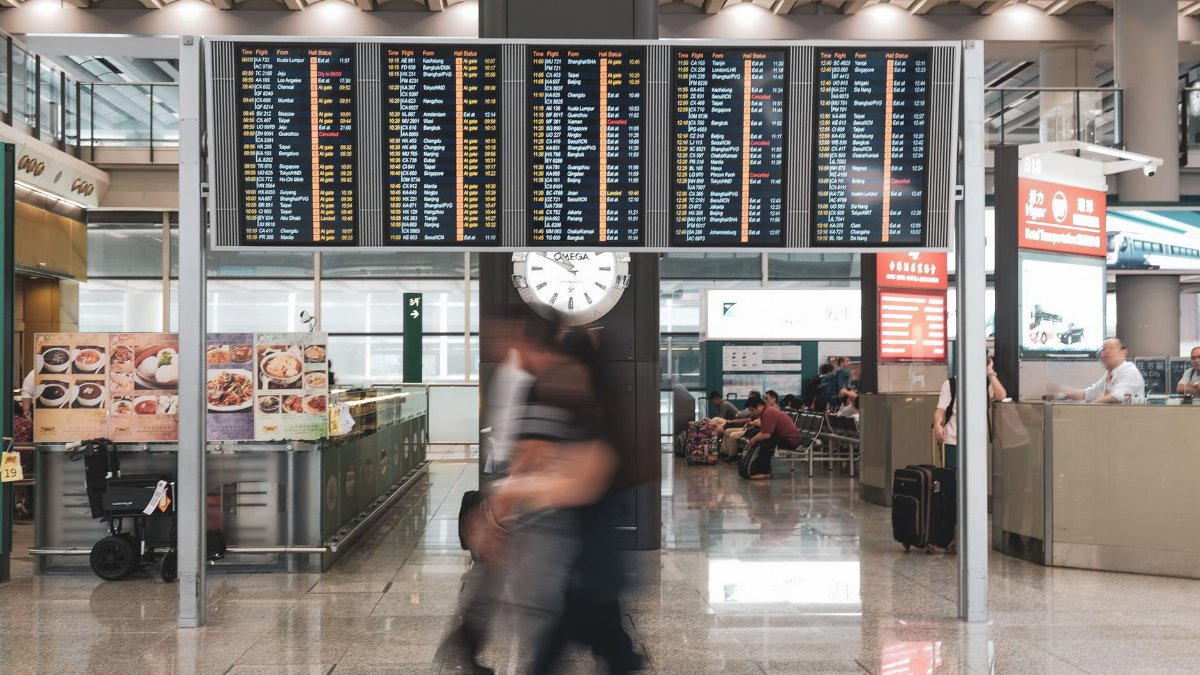
On a humid Gulf morning, the usual airport rhythm of rolling bags and overhead announcements meets something newer: glass, wider corridors, and a sense that Houston is trying to match the ambition of the people who pass through it. Houston Airport Terminal B is opening a new concourse on Thursday, a milestone that will be felt first by people hunting a gate rather than by anyone reading a planning document. The ceremony will be brief compared with the years of cranes and detours that produced it. For the city, the opening is less a finish line than a public test of whether a rebuilt piece of Bush Intercontinental can make a hard travel day feel a little more humane.
A first walk through the new space
The first impression is spatial. Older concourses often compress people into narrow walks between gates, with seating that seems planned for a smaller era of flying. A new concourse can reverse that feeling if the ceilings rise, the sight lines open, and the distance between a restroom, a power outlet, and a place to sit no longer feels like a small quest. Travelers notice those details faster than they notice architectural language. A parent with a stroller, a worker with a tight connection, and a visitor who has never been to Houston will judge the room by whether it reduces friction.
That judgment is not sentimental. Airports are machines for moving bodies through rules. Security, boarding, baggage, and the clock all compete for attention. When a building helps rather than hinders, the relief is practical. People find the gate. They charge a phone. They hear an announcement without guessing which speaker it came from. Thursday will not erase the stress of air travel, but it can show whether this piece of the airport has been built around the actual sequence of a trip.
Why this opening is only part of the story

An opening day invites a clean narrative, and airports rarely oblige. Concourses come online while other work continues behind temporary walls, on roadways, and in systems passengers never see. Electrical rooms, baggage paths, and airfield coordination do not pause because a ribbon has been cut. Houston Airport Terminal B sits inside a larger program of renewal at Bush Intercontinental, where one finished space can sit beside another that is still a construction site. The public sees the polished part. The operators live with the unfinished part.
That split matters for honesty. A city can celebrate a concourse without pretending the airport is complete. Phased work is how large terminals get rebuilt while flights continue. It is also how confusion starts, when signage lags behind a changed walk, or when a familiar food counter has moved and the map in a traveler’s head has not. The useful question on Thursday is not whether every crane has left the property. It is whether the newly opened piece works on its own, and whether the path into it is clear enough that the rest of the construction does not spill into the passenger’s day.
The passenger problems the project is meant to ease

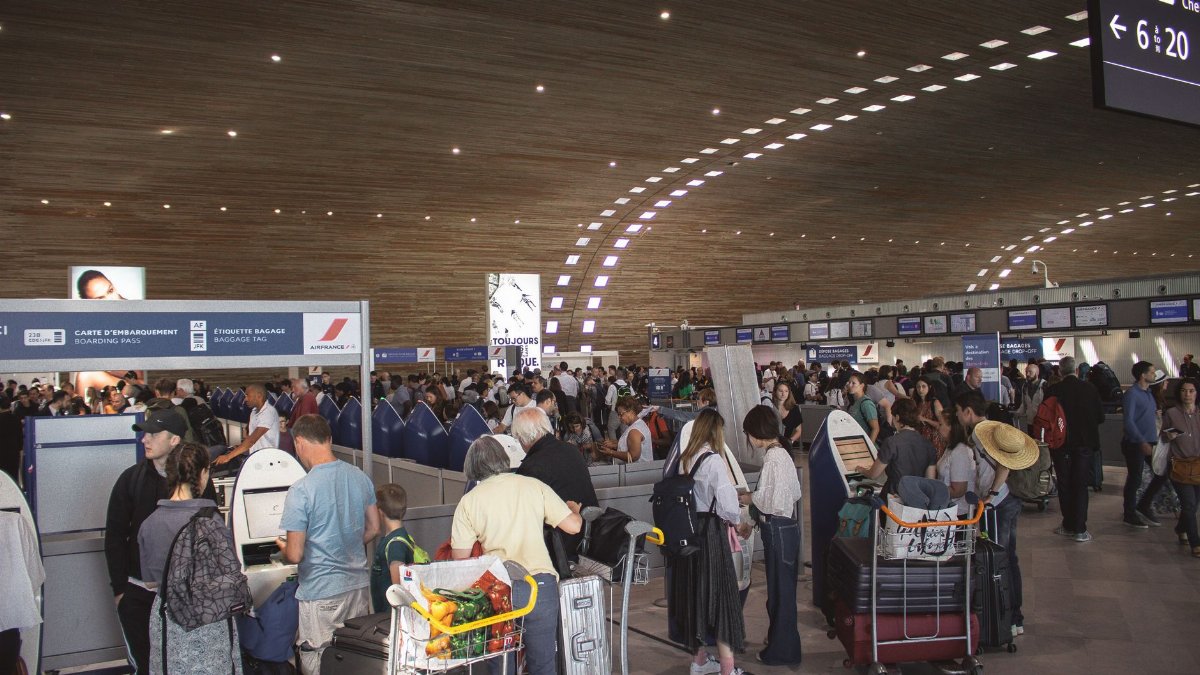
Bush Intercontinental has long been a gateway as much as a hometown airport. Energy workers, students, families visiting relatives, and international passengers share gates with people whose only goal is a connection measured in minutes. Crowding shows up in predictable places: hold rooms that fill before boarding, corridors that clog when two flights arrive together, and restrooms that cannot keep pace with a bank of departures. A new concourse is, at bottom, an attempt to buy back time and room.
Room is not a luxury item in this setting. When seats run out, people sit on the floor. When concessions cluster in one stretch, lines form in the walking path. When power is scarce, strangers negotiate over outlets with a politeness that wears thin after a delay. None of this is unique to Houston, which is precisely why the local version matters. A growing region with a major hub cannot treat terminal space as a static asset. The planes got larger in spirit if not always in fuselage, and the expectations around work, food, and accessibility grew with them.
Design, light, and the psychology of waiting
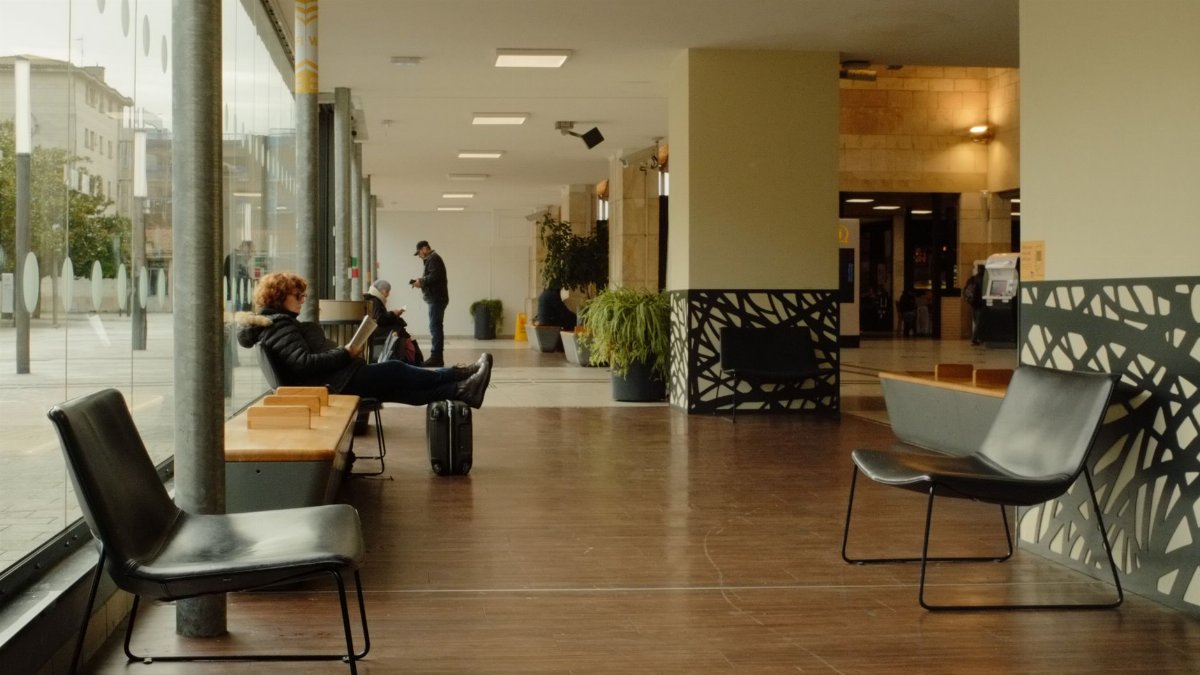
Waiting is the hidden product of every airport. Designers can pretend otherwise, but the minutes between security and pushback are where a building either respects people or warehouses them. Light is part of that respect. A concourse that borrows daylight, or at least avoids the gloom of endless interior corridors, changes the mood of a delay. So does a seat with a back, a sight line to the gate display, and a path wide enough that a wheelchair does not have to negotiate a slalom of roller bags.
There is a civic argument here that does not require poetry. Public buildings teach a city what it thinks people deserve during ordinary inconvenience. Airports are among the few rooms where Houstonians and strangers share the same benches for hours. If the new concourse treats that shared time as worthy of care, the design has done more than move passengers from point to point. If it merely relocates the old frustrations under a fresher ceiling, the photographs from opening week will age quickly.
Airlines, gates, and the choreography of a hub
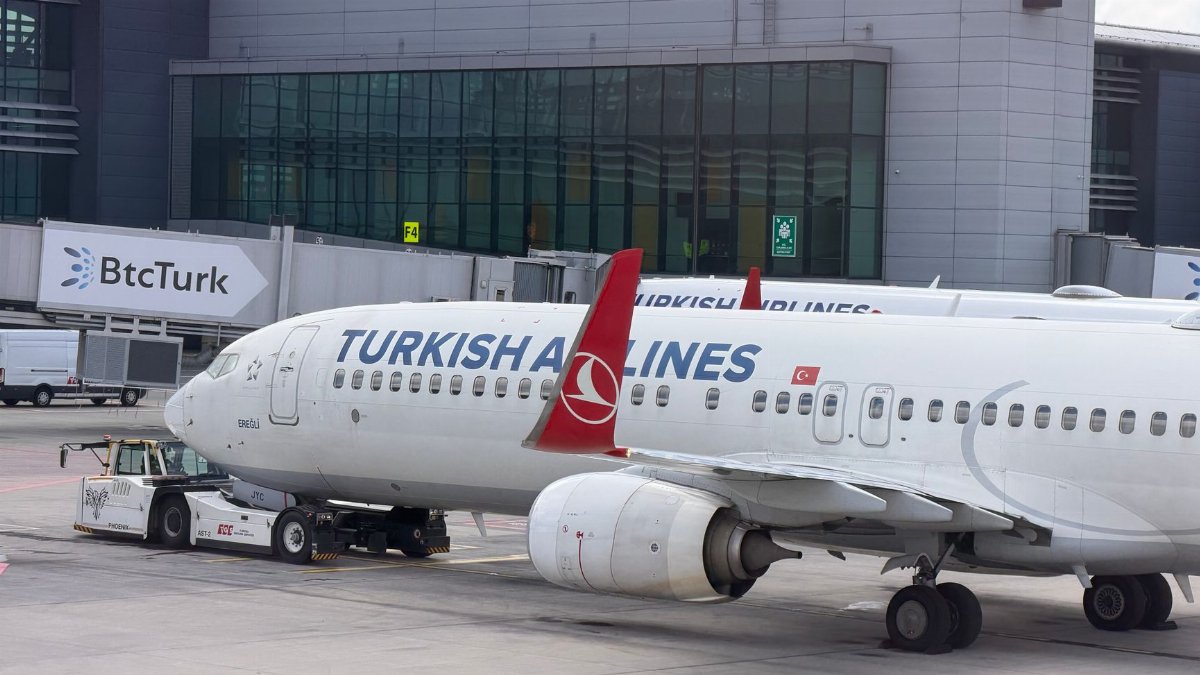
A concourse is also a schedule made visible. Gates are promises to airlines, and airlines are promises to cities that want nonstop reach. At a hub, the choreography is tight. An arrival bank feeds a departure bank. A late inbound flight does not inconvenience one cabin. It ripples. The building has to absorb that ripple with spare seating, workable jet bridges, and staff who can redirect a crowd without turning a corridor into a knot.
Houston Airport Terminal B will be judged in that operational light as much as in an architectural one. Passengers do not experience a master plan. They experience a gate change announced late, a line that bends into the walkway, or a connection that still makes sense because the distance between flights is honest. Airlines will sort their operations around the new space in ways the public will feel as smaller irritations or small reliefs. The opening gives them a better instrument. It does not play the music by itself.
Money, labor, and what construction leaves behind
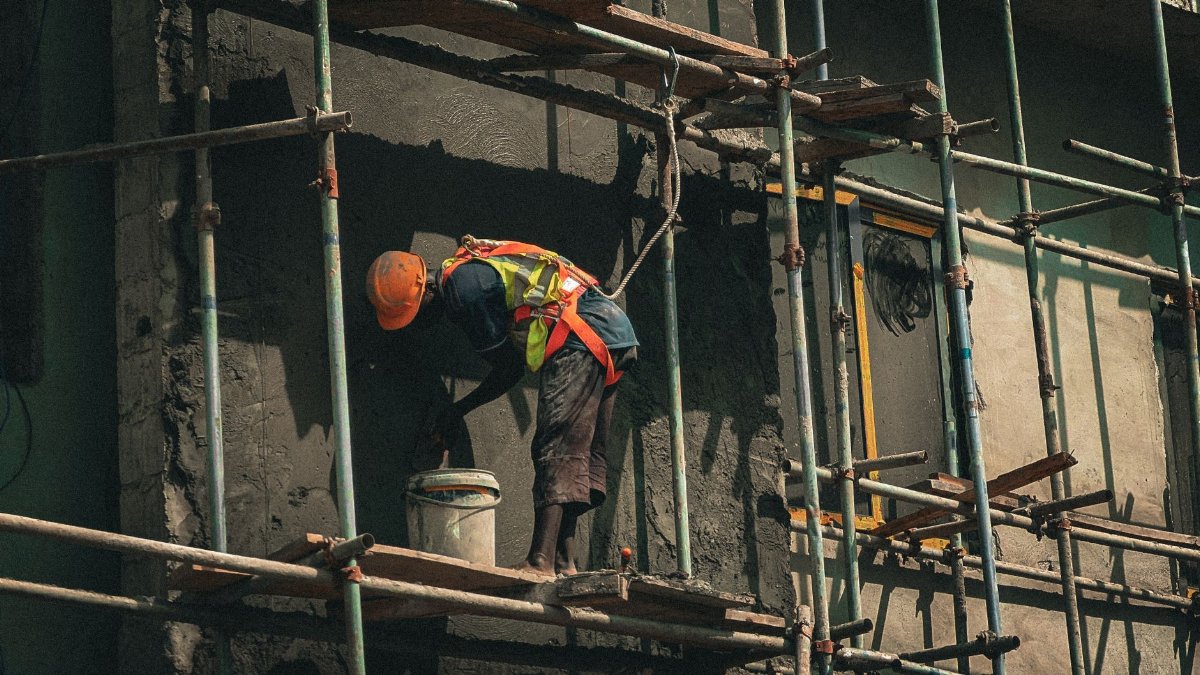
Large terminal work is a public expense with private beneficiaries, and that mix deserves plain speech. Airports are funded through a tangle of rents, fees, federal grants, and local decisions that rarely appear on a boarding pass. The people who pour concrete, pull cable, hang glass, and clean the finished floors are closer to the project than most of the travelers who will use it. When a concourse opens, their work becomes invisible, which is the point of good construction and also a reason to name it.
What remains after the crews thin out is a maintenance burden. New buildings do not stay new without contracts, parts, and staff who know the systems. A city that celebrates square footage without funding the unglamorous upkeep will meet the same complaints in a few years, only with newer fixtures. The test of Thursday is aesthetic and logistical. The test of the next decade is whether the concourse is staffed and repaired as carefully as it was marketed.
What travelers should expect in the first weeks
Openings are rehearsals conducted in public. Wayfinding may be excellent on paper and still confuse someone who follows an old habit. A restaurant may not be fully staffed on the first morning. A moving walkway, a nursing room, or a quiet corner may exist and still be hard to find until people learn the room. Patience is reasonable. So is clarity. If a path is closed, the sign should say where to go next, not merely that the old way is gone.
Visitors using Houston Airport Terminal B in these early days would do well to allow a margin they might not need later. That is ordinary advice for any changed airport, not a verdict on the project. Connections that look comfortable on a phone can shrink when a train between terminals, a security reclearance, or a simple wrong turn intervenes. The airport’s job is to shrink those risks. The traveler’s job, for a little while, is to assume the building is still teaching itself how to be used.
The city beyond the security line
Airports are often discussed as if they float free of the neighborhoods that absorb their roads, jobs, and noise. They do not. A stronger international and domestic terminal complex supports hotels, warehouses, and the peculiar Houston economy that runs on meetings in other cities and cargo that must move on time. It also concentrates traffic on approach roads and asks nearby communities to live with the sound of a hub that never really sleeps. Growth at the curb is not a neutral event.
The opening of one concourse will not settle those tensions. It can, however, remind planners that the passenger experience starts long before the gate. A beautiful hold room means less to someone stuck on an access road with no clear sign for the right terminal. Ground transportation, employee parking, and the plain dignity of the arrivals curb belong in the same conversation as terrazzo and glass. A terminal that works only after you have already suffered the approach is only half a public building.
Questions that Thursday will not answer

Thursday can answer a narrow set of questions. Does the new concourse open as promised. Can people move through it without improvising. Do the gates, restrooms, and signs function under a real crowd rather than a tour. Those are fair tests, and they are enough for one day. They are not the whole future of Bush Intercontinental, and they should not be inflated into one.
Other questions wait. How will later phases connect to this one. How will airlines use the added room when demand surges around holidays. How will the airport keep the space from wearing into the familiar fatigue of scuffed floors and dead outlets. Houston Airport Terminal B is entering public life while other developments remain underway, which is the honest condition of a living hub. The opening is worth marking. The standard worth keeping is simpler than a slogan: a traveler who did not ask to be here should be able to find the gate, sit down, and leave with the sense that the city on the other side of the glass knew they were coming.