

In the midst of a pivotal summer voting period, citizens across the Centennial State prepare to shape the direction of leadership at multiple levels. This moment brings together longstanding figures and fresh challengers in Colorado Primary Election 2026 Bennet Weiser DeGette, Governor Race. Observers note how these contests could redefine priorities in areas from economic growth to public services, all while reflecting broader national currents that influence local choices.
Background on Key Figures in State Politics
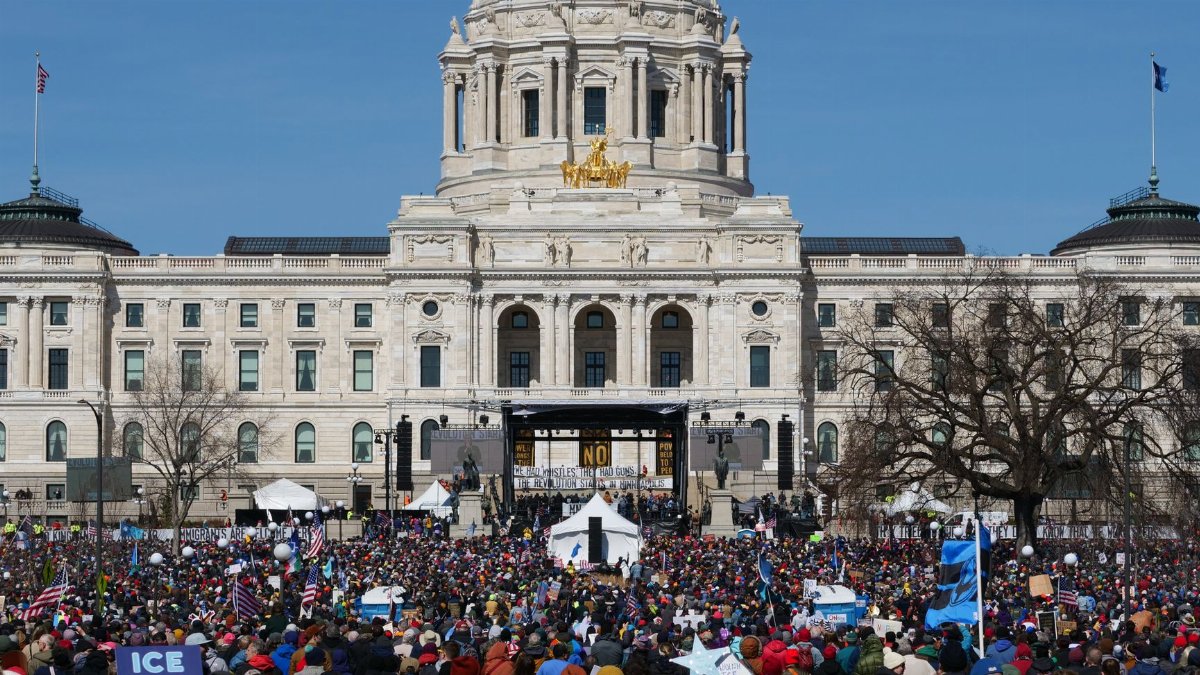
Michael Bennet has served in the Senate with a focus on fiscal matters and education policy. His record includes work on infrastructure bills that affected rural communities. Phil Weiser, as attorney general, built a reputation through consumer protection efforts and legal actions against large corporations. Their approaches differ in emphasis, with Bennet stressing bipartisan deals and Weiser highlighting enforcement of state laws.
Details of the Governor Contest

The race for governor features these two Democrats seeking the nomination. Supporters of Bennet point to his experience in Washington as an asset for securing federal funds. Backers of Weiser argue that state level expertise offers a stronger path to address issues like housing costs and water management. Recent polls indicate a close contest that may hinge on turnout in urban and suburban districts.
Role of Incumbent Challenges

Diana DeGette faces a primary test in her congressional district. She has represented Denver for decades with an emphasis on health care access. Potential opponents raise questions about fresh perspectives, though her established network remains a factor in voter calculations.
Broader Republican Participation
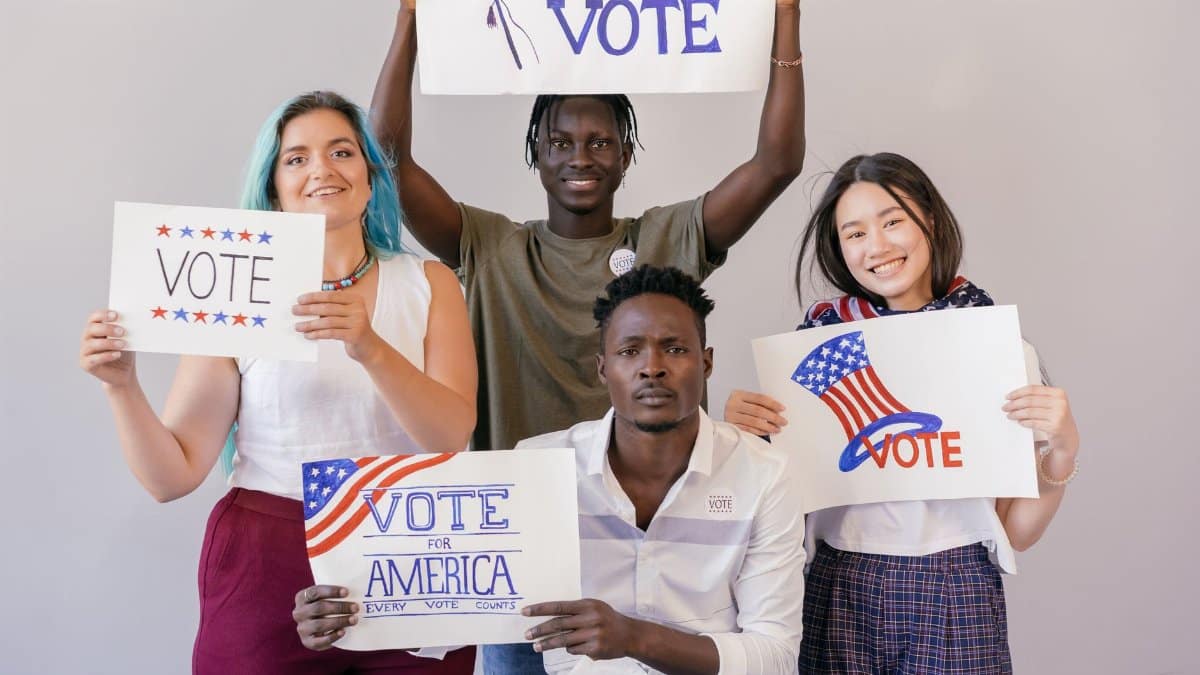
Republicans in the state are fielding candidates in several districts, aiming to capitalize on dissatisfaction with certain policies. Their platform touches on tax relief and regulatory reduction. This effort seeks to expand influence beyond traditional strongholds in the eastern plains and western slope regions.
Impact on Local Policy Priorities
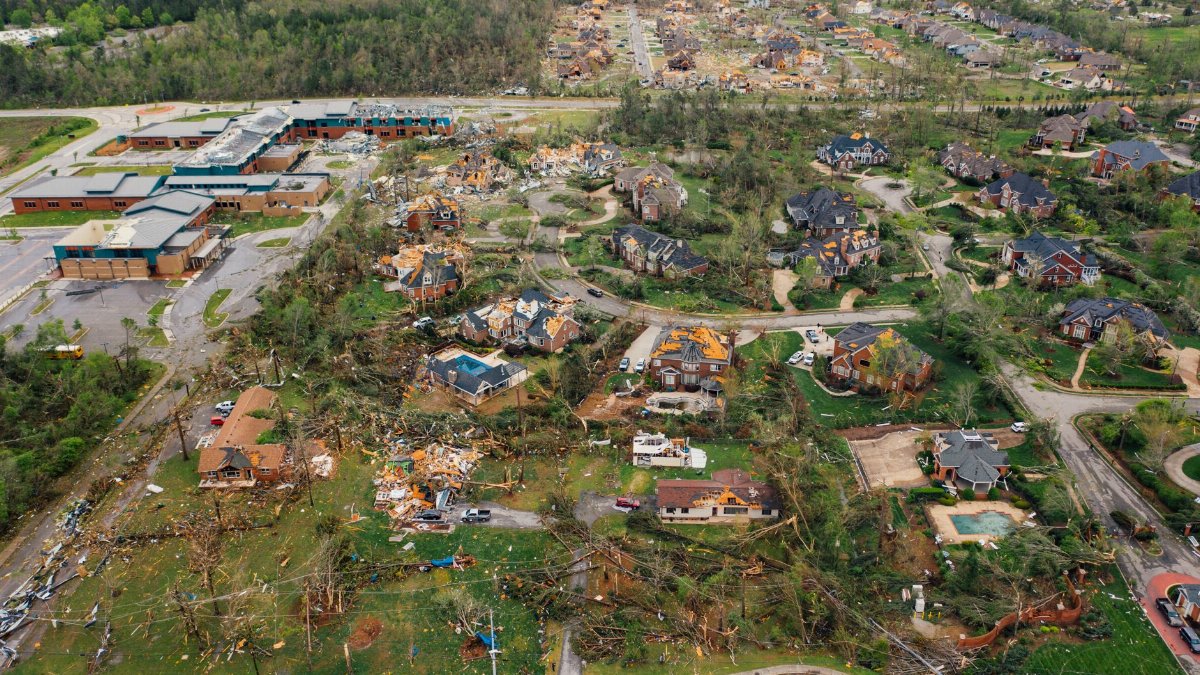
Outcomes from these primaries could steer debates on education funding and environmental regulations. Analysts suggest that whoever advances may set the tone for fall campaigns, particularly on topics like energy development and transportation improvements.
Voter Turnout Patterns Observed

Historical data shows varying participation rates in primary elections. Urban areas often see higher engagement among Democrats, while rural counties contribute significantly to Republican totals. Weather conditions on election day and outreach efforts by campaigns could sway final numbers.
Media Coverage and Public Discourse
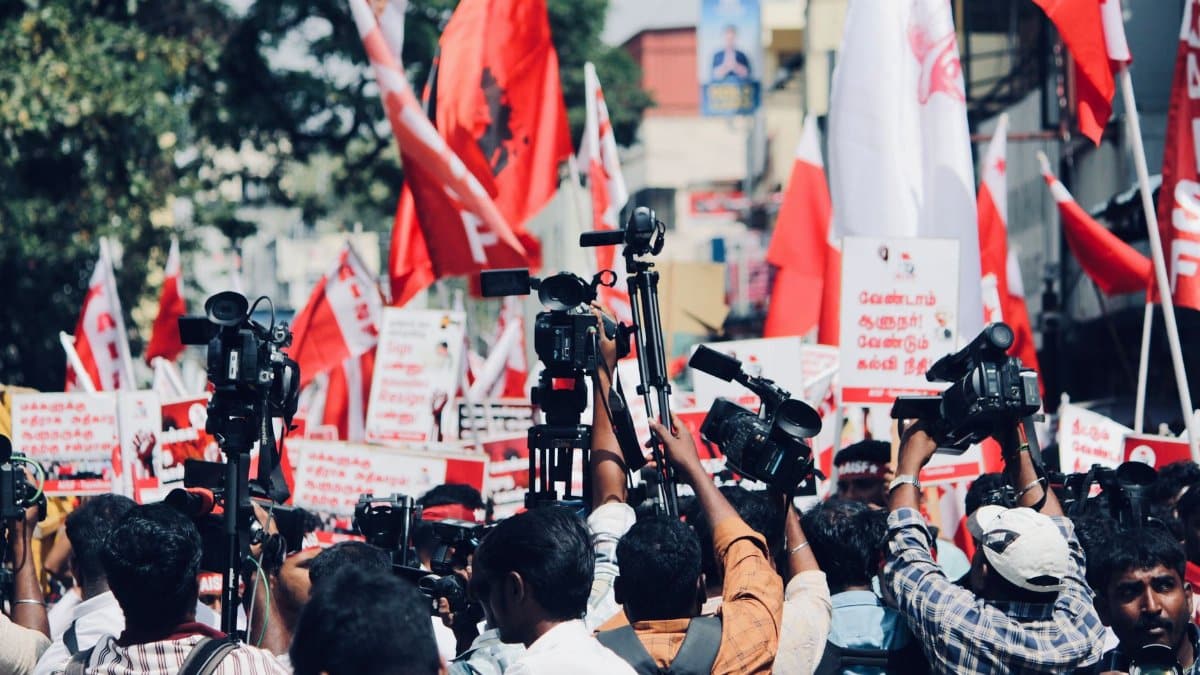
Local outlets have provided extensive reporting on candidate forums and policy positions. National attention has also surfaced, framing the events as indicators for party directions ahead of future cycles. This attention brings both opportunities and scrutiny to the participants.
Economic Factors Influencing Choices

State economic indicators, including employment rates in technology and tourism sectors, form part of the backdrop. Candidates address how their plans might support small businesses amid rising operational expenses. Discussions often center on balancing growth with quality of life concerns.
Community Reactions Across Regions

Residents in mountain towns express interest in sustainable tourism practices. In Front Range cities, focus leans toward affordable living options. These regional differences highlight the diverse electorate that candidates must navigate.
Future Implications for Party Dynamics

Results may influence internal party strategies for the next several years. Successful nominees could emerge as prominent voices in national conversations. This process underscores the ongoing evolution within Colorado political circles.