

In the closing moments of a tense legislative session Arizona leaders navigated deep divisions to secure passage of the Arizona bipartisan budget a compromise spending measure that highlights both cooperation and lingering friction among lawmakers. The process unfolded amid urgent debates over fiscal priorities leaving some observers to question whether the final product truly balances competing interests or simply defers difficult choices for another year.
Legislative Negotiations Shape Final Agreement

Lawmakers from both major parties spent weeks hammering out details in private meetings and public hearings. Republican majorities in each chamber advanced core elements while seeking enough Democratic support to avoid a prolonged standoff. The resulting measure funds state operations for the coming cycle and includes targeted tax reductions that appealed to business interests.
Core Spending Allocations Address State Needs

The plan directs resources toward infrastructure projects public safety initiatives and health services. Officials emphasized that these choices reflect broad input from agencies and local governments rather than narrow partisan demands. Revenue projections underpin the framework ensuring ongoing operations without immediate shortfalls.
Republican Priorities Drive Tax Reduction Elements
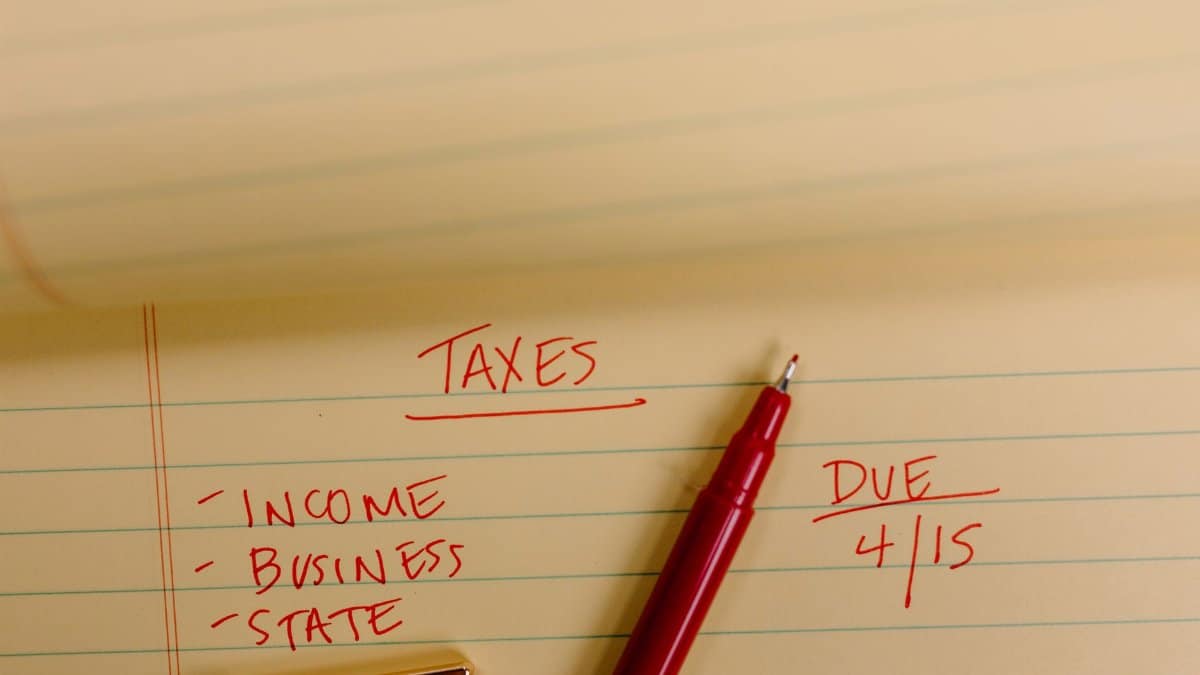
Majority party members highlighted provisions that lower certain tax burdens for residents and enterprises. These steps aim to stimulate economic activity and retain competitive standing relative to neighboring states. Proponents argued the adjustments would yield long term gains through increased investment and job creation.
Democratic Lawmakers Voice Education Funding Concerns

A group of Democrats expressed disappointment that classroom support and teacher compensation did not receive larger increases. They pointed to enrollment growth and rising operational costs as evidence that more resources are required. Several members ultimately voted against the package citing those gaps as too significant to overlook.
Public Reaction Reflects Mixed Sentiments Statewide
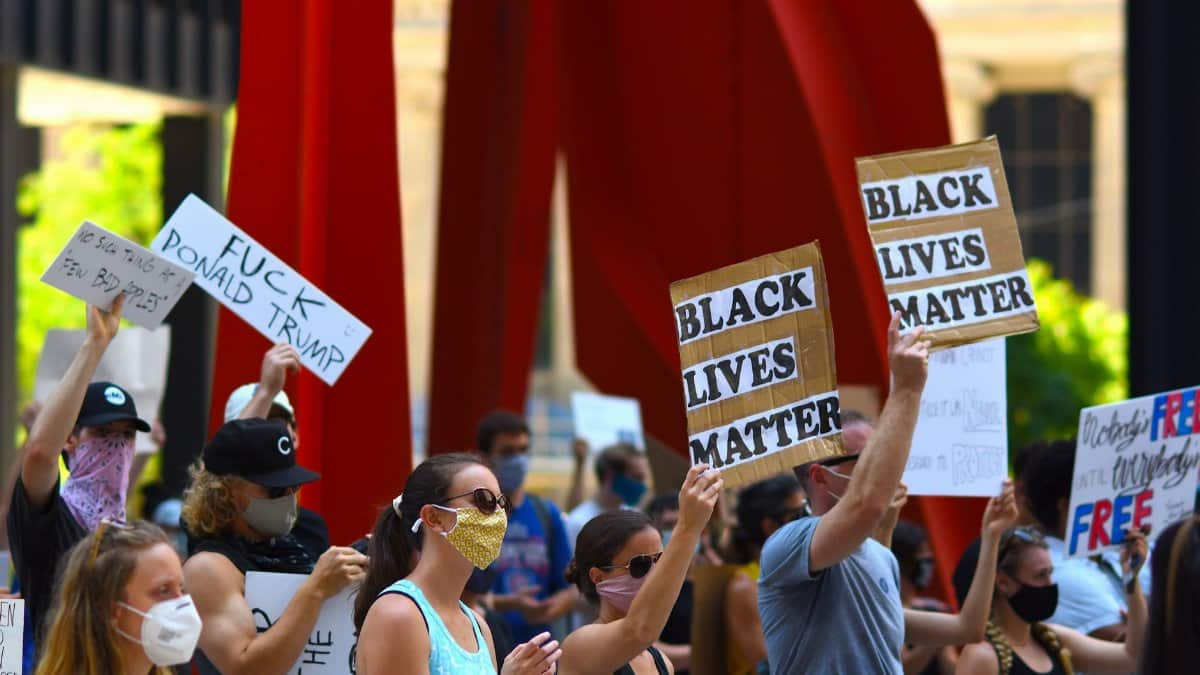
Community organizations and business associations offered varied responses once details became public. Some praised the stability the measure provides while others called for renewed attention to social programs in future cycles. Town halls and online discussions revealed regional differences in priorities.
Revenue Forecasts Underpin Budget Stability

Analysts reviewed economic indicators to confirm the plan rests on realistic assumptions about collections and expenditures. Adjustments were made to account for potential fluctuations in key sectors such as tourism and technology. This approach seeks to prevent mid year corrections that could disrupt services.
Long Term Effects on Arizona Governance

Observers note the agreement may set precedents for how future sessions handle divided government. By blending spending restraint with selective relief the measure could influence candidate platforms and voter expectations ahead of upcoming elections. Sustained dialogue remains essential to address unresolved areas.
Comparison With Prior Fiscal Cycles

Earlier budgets often featured sharper conflicts that delayed final action. The current version demonstrates incremental progress toward consensus even as critics argue it falls short in key domains. Historical patterns suggest such compromises can evolve over successive legislative periods.
Next Steps for Implementation and Oversight

State agencies now begin the work of translating legislative intent into operational programs. Regular reporting requirements will allow lawmakers to track progress and adjust course if conditions change. Citizens are encouraged to follow updates through official channels to stay informed about outcomes.