
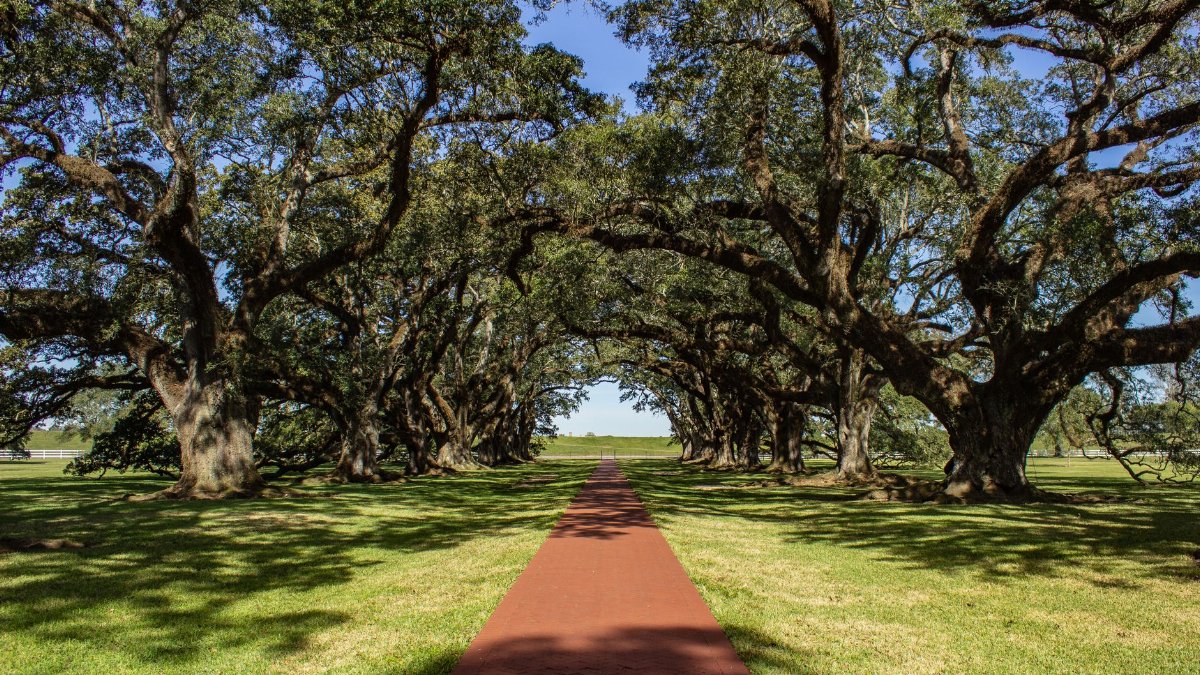
Arcadia has long been known for its tree lined streets and historic charm. Residents there now find themselves in a dispute over plans to remove dozens of mature oaks at Santa Anita Park to make way for facilities tied to the two thousand twenty eight Olympics. The Santa Anita oak trees stand at the center of this conflict representing both natural heritage and the pressures of international events.
Community Voices Rise Against Tree Removal
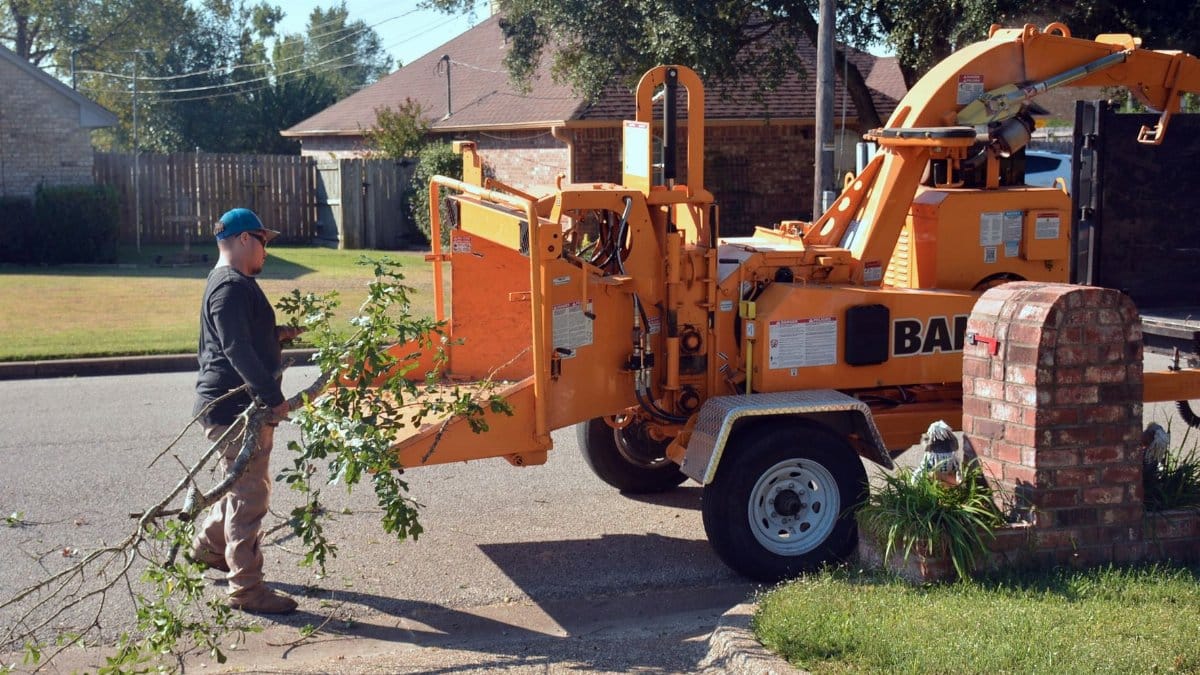
Neighbors in Arcadia have organized meetings and petitions to express their dismay at the proposed cutting. Many describe the oaks as living landmarks that have shaded local streets for generations. They argue that the loss would alter the character of the area in ways that cannot be reversed by new plantings. Public comments submitted to local officials highlight a sense of frustration that decisions about these spaces are being made without enough input from those who live nearby. Several residents recall childhood memories tied to the same trees now marked for removal.
Environmental Concerns Mount
The plan calls for taking out thirty four oaks while disturbing forty five others to create an equestrian course. Critics point to the role these trees play in cooling the local climate and supporting soil stability. Removing them could increase heat in surrounding blocks and affect drainage during heavy rains. Environmental advocates note that mature oaks provide habitat for birds and insects that newer trees cannot replace quickly. Studies from regional conservation groups suggest such losses add up over time in urban settings already short on green cover.
Olympic Legacy and Local Costs
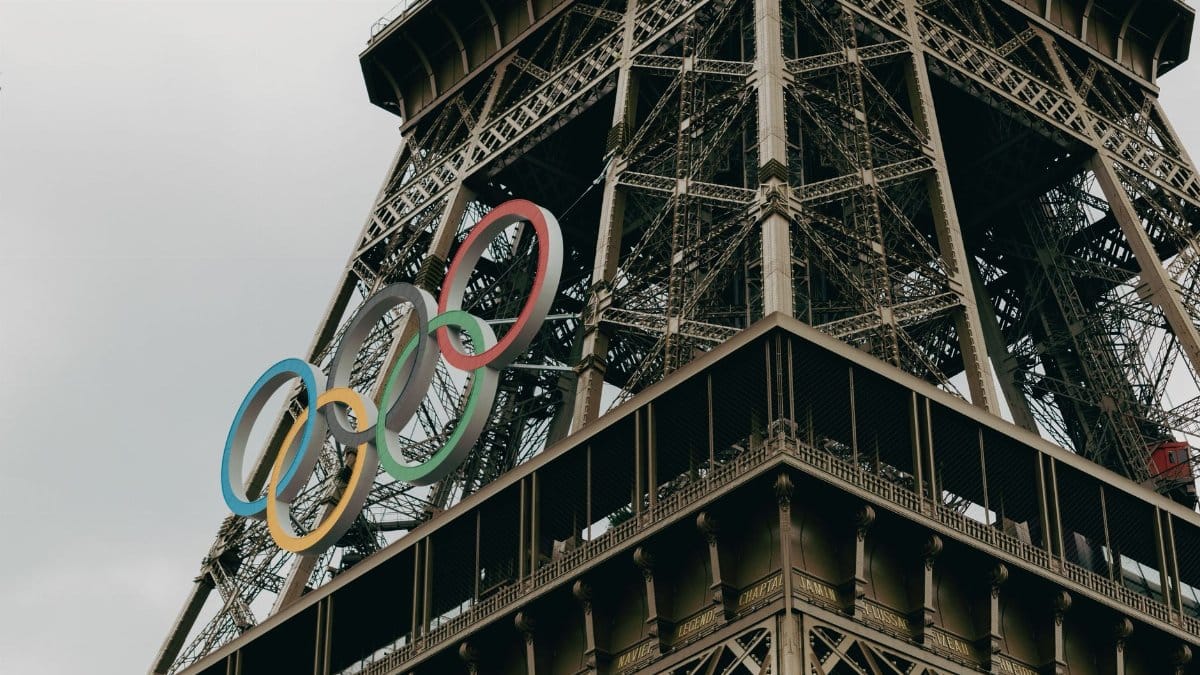
Preparations for the two thousand twenty eight Games have brought new attention to venues across southern California. Santa Anita Park was selected in part for its existing infrastructure yet the required changes have sparked debate about who bears the burden. Supporters of the project emphasize the economic boost and international spotlight that could benefit the region. Opponents counter that short term construction gains may not offset the permanent change to neighborhood landscapes. The discussion reveals tensions between global ambitions and everyday surroundings.
History of Santa Anita Park
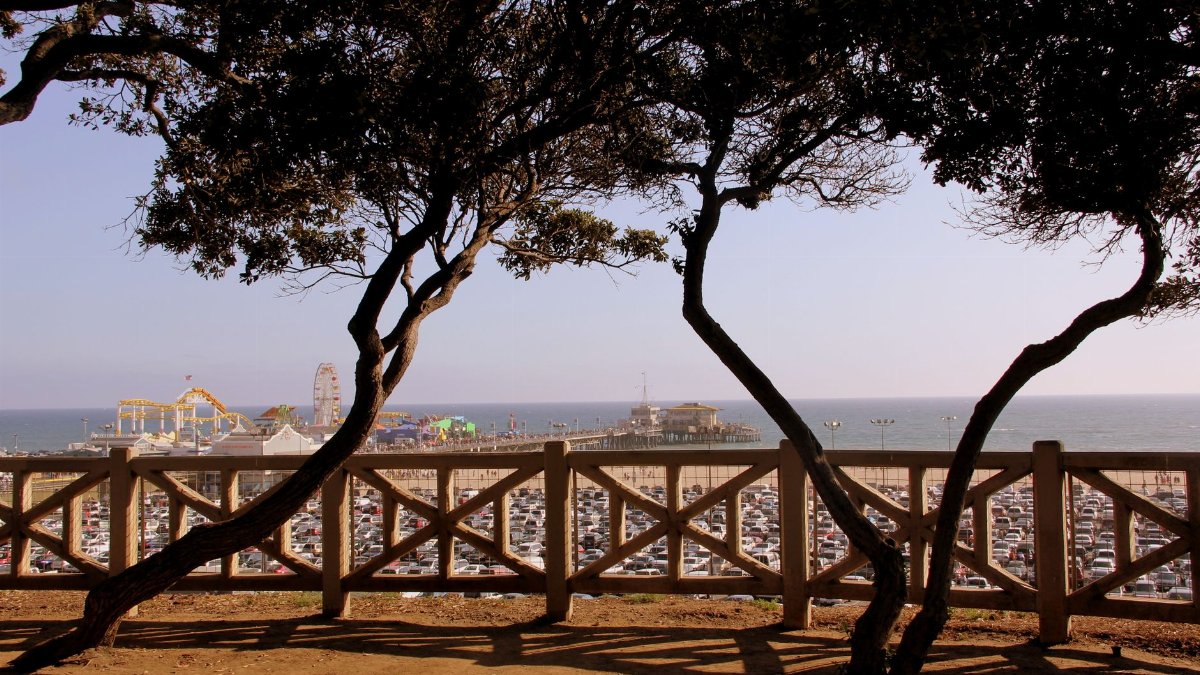
The park itself carries a layered past that includes horse racing traditions and wartime uses. Its grounds have evolved through decades of development while retaining pockets of older vegetation. The Santa Anita oak trees form part of that continuity and residents see them as reminders of a slower era before large scale events reshaped the site. Archival records show the area once featured more extensive woodlands that have gradually given way to modern facilities.
Alternatives Proposed by Locals
Some Arcadia residents have suggested shifting the equestrian layout to spare the oldest specimens. They point to nearby open spaces that might accommodate course elements with less disruption to existing trees. Others advocate for design adjustments that work around root zones rather than requiring full removal. These ideas have been presented at city hearings though officials have cited technical constraints tied to Olympic standards. The proposals reflect a desire to balance event needs with preservation.
Impact on Wildlife
Mature oaks support a range of species from nesting birds to beneficial insects that help control pests. Their removal could fragment small habitats already pressured by surrounding development. Local naturalists have documented sightings of owls and woodpeckers in the canopy slated for clearing. While relocation of some animals is possible the overall reduction in canopy cover would limit food sources and shelter for years. This aspect has drawn attention from groups focused on urban biodiversity.
City Officials Respond
Arcadia leaders have stated they are reviewing public input and seeking ways to minimize tree loss. They note requirements from Olympic organizers that limit flexibility in course design. Meetings have included presentations on mitigation measures such as replanting efforts elsewhere in the city. Yet many attendees left feeling that the scale of removal remains too large. The process continues with additional comments expected before final approvals.
Future of Urban Greenery
This case raises broader questions about how cities protect mature trees amid competing demands. Santa Anita oak trees illustrate the challenge of valuing established natural features when large events arrive. Other communities facing similar pressures have adopted stricter ordinances that require offsets or redesigns. The outcome here may influence how future projects weigh environmental factors against development goals. Preservation advocates hope the discussion leads to stronger policies that recognize the long term benefits of keeping such trees in place.