

In the quiet moments after a life concludes many in the Pacific Northwest find themselves reflecting on the places where families gathered and milestones were celebrated over plates of fresh seafood. Herbert Budd Milton Gould III known to most as Budd Gould shaped those experiences through decades of thoughtful work. His efforts created Budd Gould Anthony’s Restaurants a chain that became synonymous with reliable quality and welcoming service from Washington into neighboring states.
Roots and Aspirations

Born into modest circumstances Budd Gould developed an early appreciation for honest food and hard work. He watched local markets and learned the rhythms of coastal harvests. Those observations guided his later choices as he sought to bring reliable seafood to tables across the region. Friends recall his steady curiosity about how meals could strengthen social ties and create shared memories without unnecessary flourishes.
Launching the First Venues
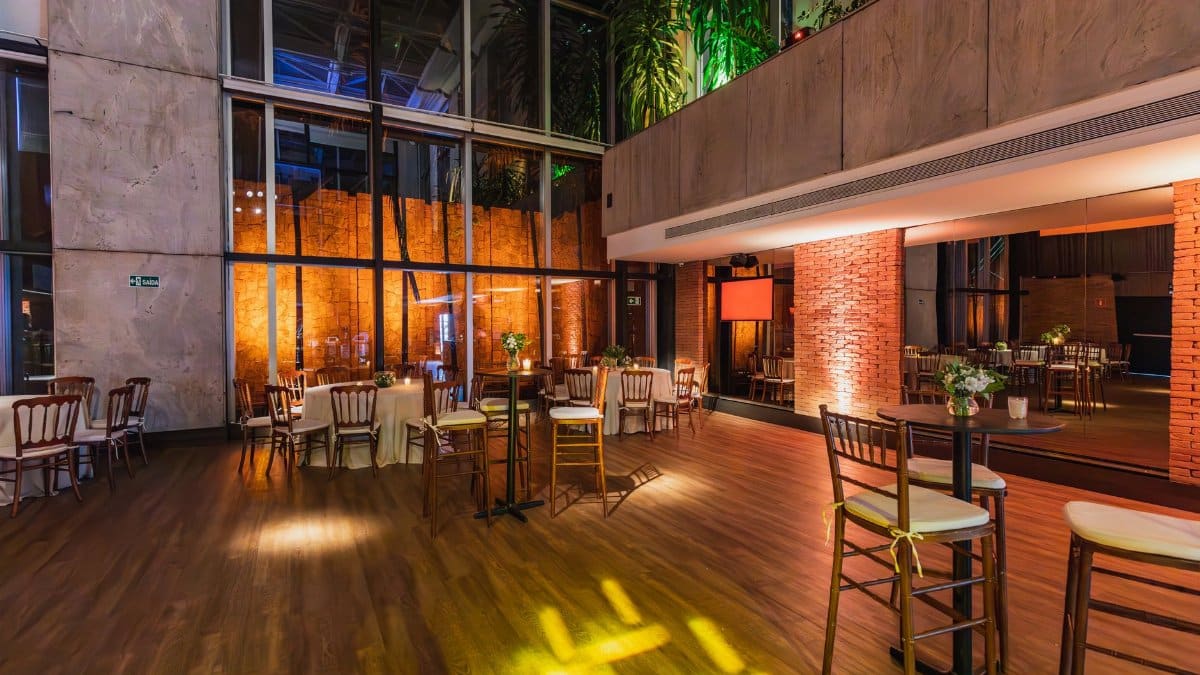
The initial Anthony’s location opened with a focus on simple preparations and attentive service. Budd Gould Anthony’s Restaurants emphasized consistency rather than trends. Diners appreciated knowing what to expect whether for weekday lunches or special occasions. Growth came gradually as word spread about the dependable experience and the care taken with each detail from sourcing to presentation.
Ingredient Standards

From the beginning Budd Gould insisted on direct relationships with fishermen and suppliers. This approach ensured freshness while supporting local economies. Staff learned to recognize peak quality and reject anything less. Over time the practice became a defining trait of Budd Gould Anthony’s Restaurants and helped distinguish the group from competitors who prioritized volume over care.
Family Involvement

Children and later grandchildren entered the business at various levels. Budd Gould encouraged them to understand every station from kitchen prep to guest relations. The structure fostered continuity and allowed values to pass naturally across generations. Decisions remained collaborative yet anchored in the original emphasis on integrity and restraint.
Community Support Efforts

Throughout his career Budd Gould directed resources toward local causes including food banks and youth programs. He viewed restaurants as community anchors rather than isolated enterprises. Annual contributions grew alongside the business and reflected a belief that success carried responsibilities beyond profit margins. Recipients often noted the quiet consistency of the support.
Personal Outlook

Those close to him describe a man guided by quiet faith and daily gratitude. Budd Gould Anthony’s Restaurants operated within a framework that valued people as much as processes. He spoke rarely about beliefs in public yet demonstrated them through fair treatment of employees and measured responses during industry pressures. The approach earned lasting loyalty from teams and patrons alike.
Regional Growth

Expansion moved methodically into Oregon and Idaho while preserving core practices. New sites received the same training and supplier standards as the originals. Budd Gould monitored each opening personally in early years to ensure alignment with established expectations. The measured pace protected reputation and allowed adjustments based on real diner feedback.
Industry Pressures

Economic shifts and changing regulations tested many operators. Budd Gould Anthony’s Restaurants adapted by refining operations without compromising ingredient quality. He favored long term stability over rapid scaling and avoided debt that could force shortcuts. The strategy proved resilient through multiple cycles and allowed the group to maintain its identity.
Cultural Influence
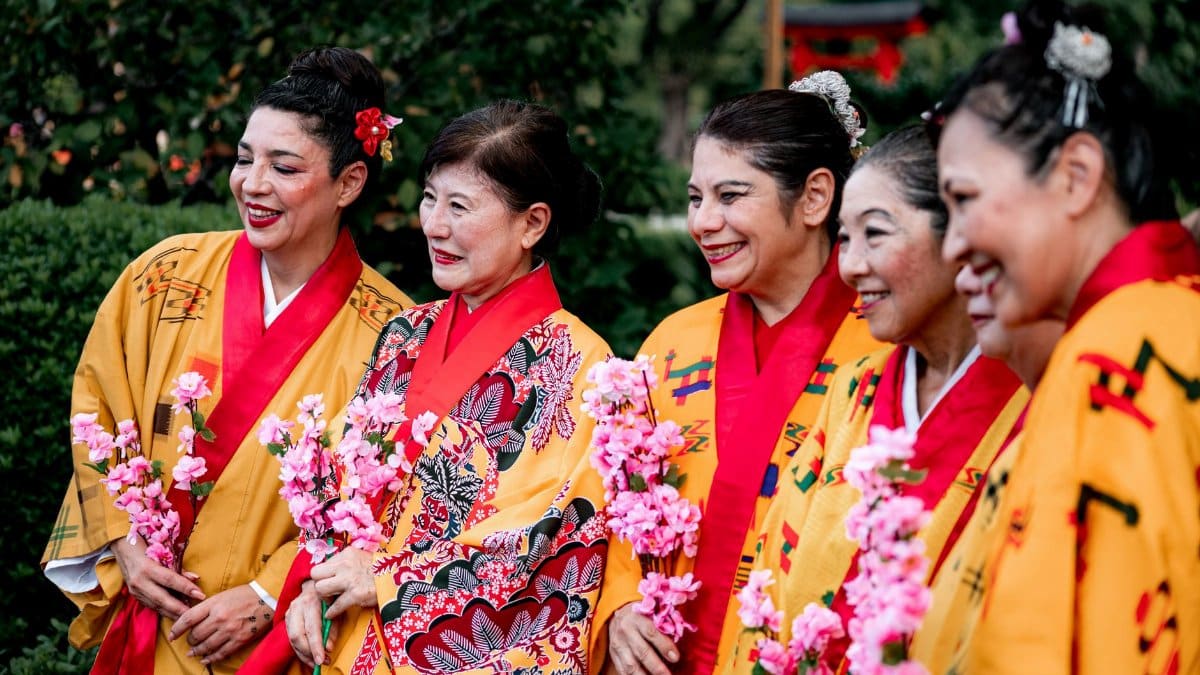
Local dining habits evolved partly because of the steady example set by these restaurants. Diners came to expect transparency about sourcing and fair pricing. Budd Gould helped normalize the idea that seafood could be both accessible and thoughtfully prepared. The influence appears today in newer establishments that cite similar principles.
Colleague Memories

Longtime employees remember clear guidance paired with genuine interest in their lives outside work. Budd Gould often checked on families during holidays and supported flexible schedules when needed. Such gestures built deep commitment that translated into reliable service for guests. Many still reference the sense of purpose they felt under his leadership.
Generational Handover

By the time he stepped back from daily operations the next generation had absorbed core lessons. Budd Gould Anthony’s Restaurants continued without abrupt changes because preparation had been thorough. Transition planning emphasized shared ownership of the mission rather than individual control. The result preserved continuity that customers noticed and appreciated.
Broader Legacy

At eighty five Budd Gould left behind a network of venues and relationships that extend well past any single location. His approach demonstrated that measured growth and community focus could coexist with commercial success. Observers in the hospitality field continue to study the model as an example of sustainable practices rooted in personal conviction.