
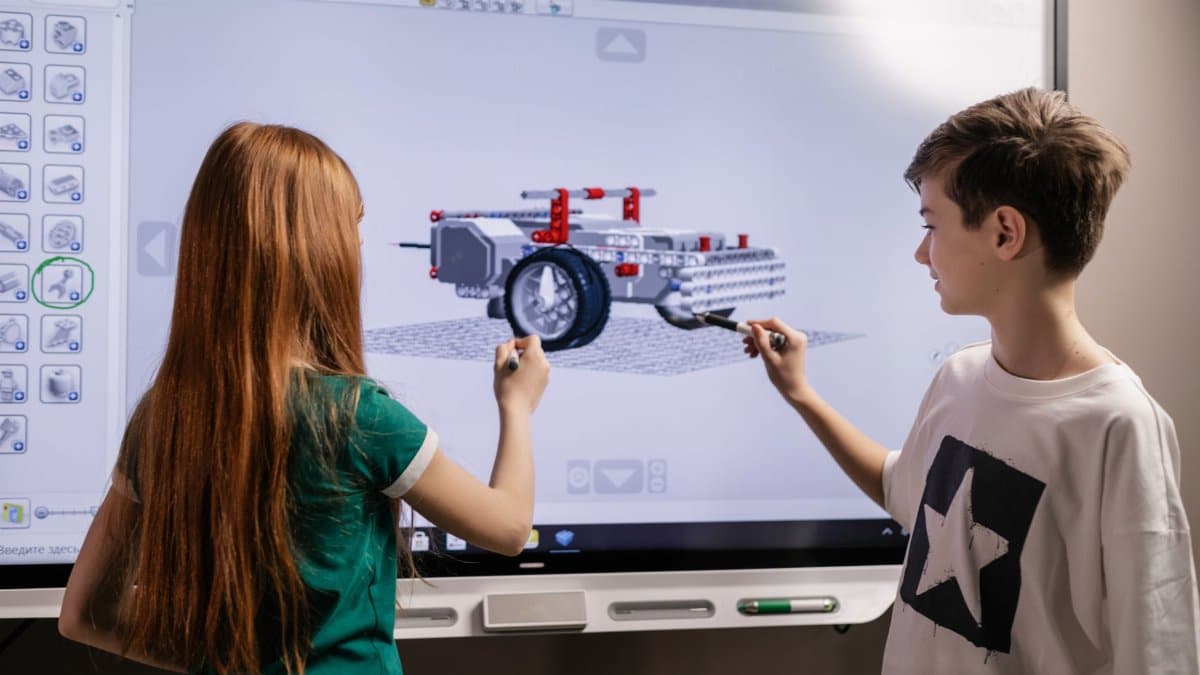
In Texas school districts a quiet shift is underway as administrators weigh how digital tools shape daily learning. Richardson ISD has now stepped into this conversation by joining a handful of other systems testing restrictions on classroom screen time. The move reflects wider questions about whether constant device use truly supports focus or instead fragments it during critical instructional hours. Families and teachers alike watch closely to see whether the limits produce measurable gains in engagement and retention.
Policy Roots in Neighboring Districts

Richardson follows examples set earlier in places such as Highland Park and parts of Austin where leaders first capped device sessions. Those trials showed modest rises in reading scores after several semesters according to internal reports shared with parents. Officials there credited the change to deliberate scheduling that kept tablets and laptops in reserve for targeted lessons rather than default activities.
Teacher Observations After Initial Rollout

Early feedback from Richardson classrooms points to longer stretches of sustained attention during reading circles and math discussions. Instructors note fewer interruptions from notifications or quick tab switches. Some report that students appear more willing to tackle multistep problems without reaching for a screen at the first sign of difficulty.
Parental Reactions and Daily Routines

At home many families describe evenings that feel less rushed once schoolwork no longer bleeds into tablet time. Parents say children seem quicker to finish assignments and move on to outdoor play or family meals. A few express concern that reduced practice with digital interfaces could leave students less prepared for later standardized tests that still rely on online formats.
Academic Research on Attention Patterns

Studies from university education departments suggest that frequent device switching can shorten the average span of deep concentration in preteens. One analysis published by the University of Texas tracked eye movement and task completion rates across device heavy and device light lessons. Results indicated clearer comprehension when screens stayed off except during specific skill building segments. See the full study at https://www.dallasnews.com/opinion/editorials/article/richardson-isd-schools-screen-time-limit-22357955.php for related context on local implementation.
Potential Effects on Writing and Note Taking

Without constant typing access some Richardson students have returned to paper notebooks for drafts and outlines. Teachers observe that handwritten notes sometimes lead to stronger recall during quizzes. The transition requires extra planning to ensure that essential keyboard skills still receive regular practice through dedicated computer lab blocks.
Equity Considerations Across Income Levels

Device access varies sharply among Richardson households so district leaders have emphasized that limits apply only during school hours. They have also expanded lending programs for families who need reliable equipment for evening review. The goal remains equal opportunity rather than uniform restriction across every setting.
Training Sessions for Instructional Staff

Workshops this fall focus on lesson redesign that weaves in movement breaks and verbal discussion before any digital component appears. Trainers stress that technology retains value for research projects and multimedia presentations yet should follow rather than lead the learning sequence. Participants receive sample schedules that alternate between low tech and high tech segments.
Longer Term Tracking of Student Outcomes

District evaluators plan to compare end of year test data with previous cohorts to gauge whether the screen limits correlate with gains in math fluency or reading stamina. Early indicators will come from teacher surveys and parent questionnaires collected each quarter. Adjustments remain possible if evidence points to unintended gaps in digital literacy.
Broader Statewide Conversations

Texas legislators have begun hearings on whether similar guidelines should apply across more districts. Testimony has included both support from pediatric groups concerned about posture and eye strain and caution from technology advocates who highlight interactive learning platforms. Richardson findings could inform those debates in coming sessions.