
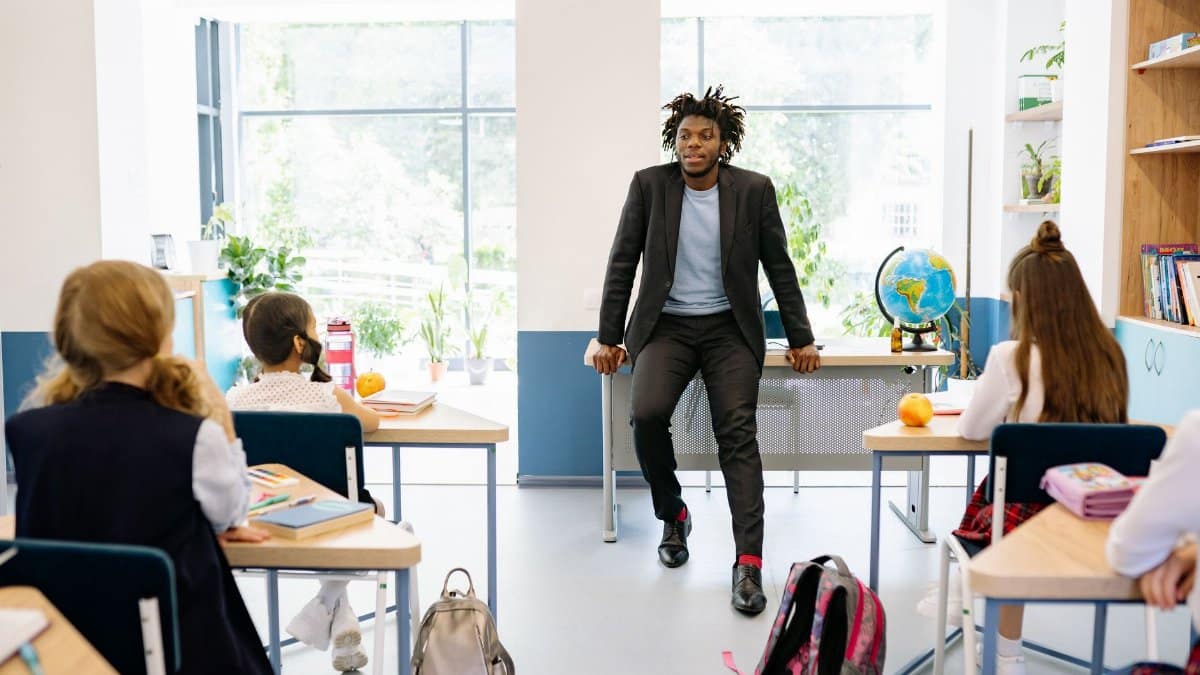
In a Maryland county where families have navigated fragmented options for years, a dedicated new facility has emerged to address longstanding gaps in support for young people who learn differently. The Anne Arundel special needs school now stands as a centralized place where instruction meets the practical realities of growing up with distinct challenges.
Origins of the New Facility
Local leaders recognized that many students required environments built around individualized pacing rather than standard classroom structures. Planning drew from parent input and educator experience to shape a building designed for calm movement and flexible grouping. Construction emphasized natural light and quiet zones to reduce sensory strain.
Core Mission and Daily Structure
Staff members focus on steady skill building across academic subjects and real world tasks. Mornings often begin with small group lessons in reading or mathematics tailored to each learner. Afternoons shift toward hands on activities that practice communication and self care routines.
Emphasis on Transition to Adulthood

One central goal involves preparing teenagers for life after high school. Instructors guide students through job simulations and community outings that teach transportation use and workplace expectations. Partnerships with nearby employers create short internships that build confidence and resumes.
Staff Training and Classroom Approaches
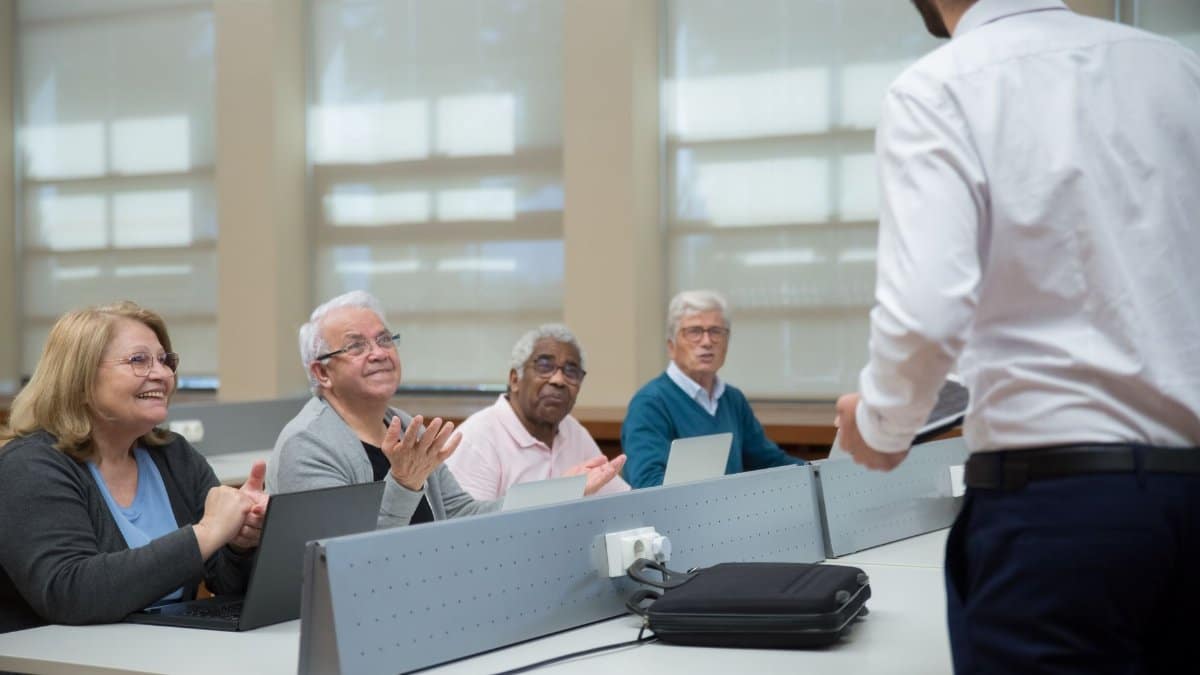
Teachers receive ongoing instruction in adaptive methods that respect varied attention spans and communication styles. Occupational therapists and speech specialists work alongside classroom teams to embed support into regular activities. This collaboration keeps sessions fluid and responsive to daily needs.
Family Involvement and Support Networks

Parents attend regular meetings where progress updates mix with strategy sharing among families facing similar situations. Evening workshops cover topics such as guardianship planning and financial resources. The school encourages open dialogue so adjustments can happen quickly when circumstances shift at home.
Community Partnerships and Local Impact
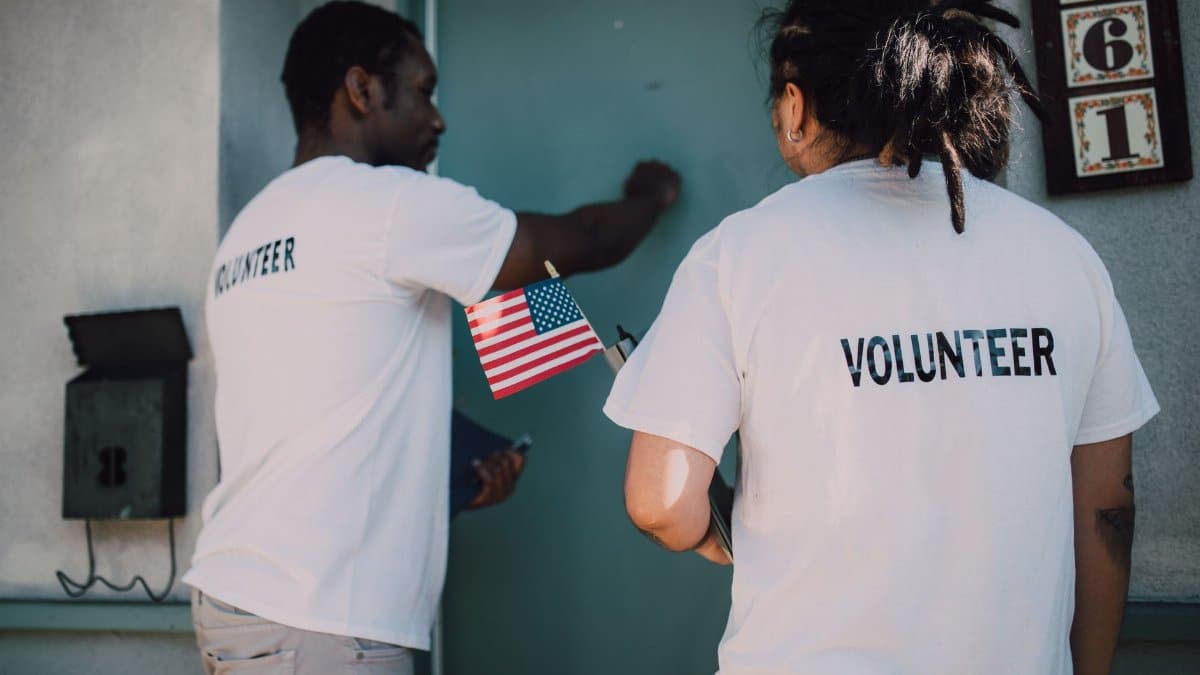
Area businesses and civic groups have contributed materials and volunteer time to enrich programs. Nearby colleges send student observers who gain exposure to specialized teaching. These connections help integrate the school into the wider fabric of Anne Arundel County life.
Challenges in Scaling Specialized Education

Recruiting enough qualified personnel remains an ongoing effort as demand grows across the region. Budget considerations require careful allocation between technology tools and direct human support. Administrators track outcomes closely to demonstrate value and secure continued funding.
Measuring Progress Beyond Test Scores

Success appears in incremental gains such as independent travel or sustained part time work. Portfolios document student projects that reflect personal interests alongside practical abilities. Regular reviews adjust goals to stay realistic and motivating for each individual.
Looking Ahead for Similar Initiatives

Other counties watch developments here as a possible model for their own populations. Data collected on attendance and skill retention may inform policy discussions at the state level. Expansion of vocational tracks could further strengthen pathways into adult independence.
Broader Lessons on Inclusive Planning
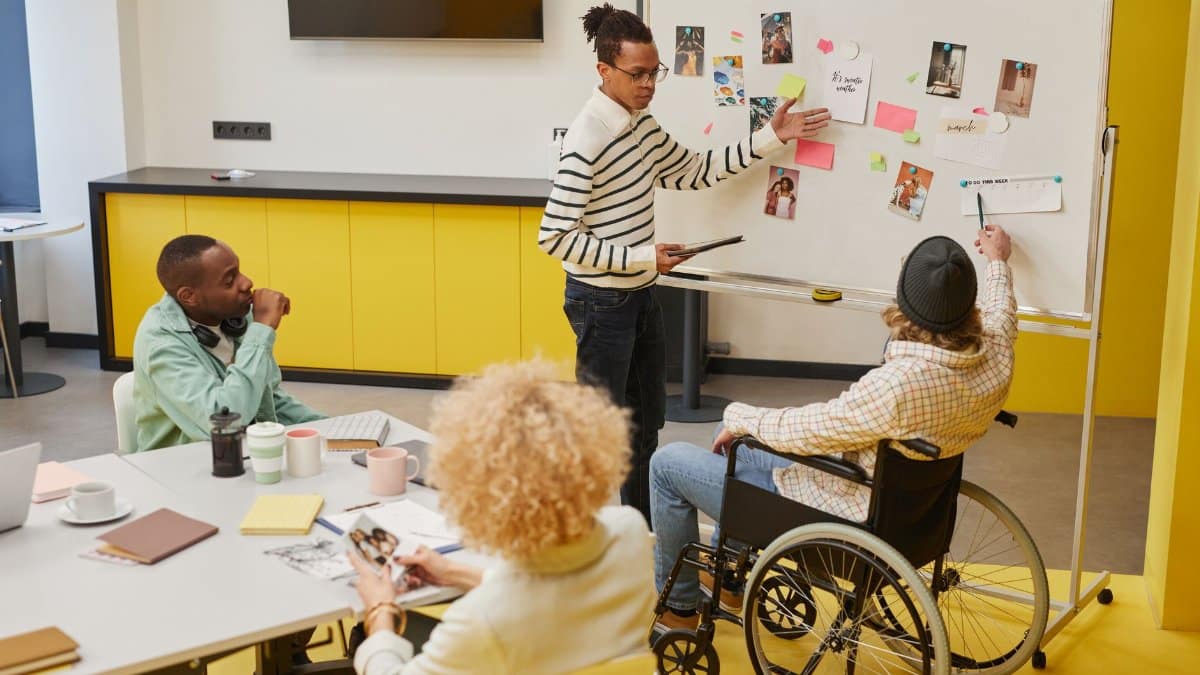
The experience underscores how physical space and program design must align with actual learner profiles rather than assumptions. Sustained commitment from multiple agencies proves essential when addressing complex educational needs. Continued listening to families keeps priorities grounded in lived experience.