
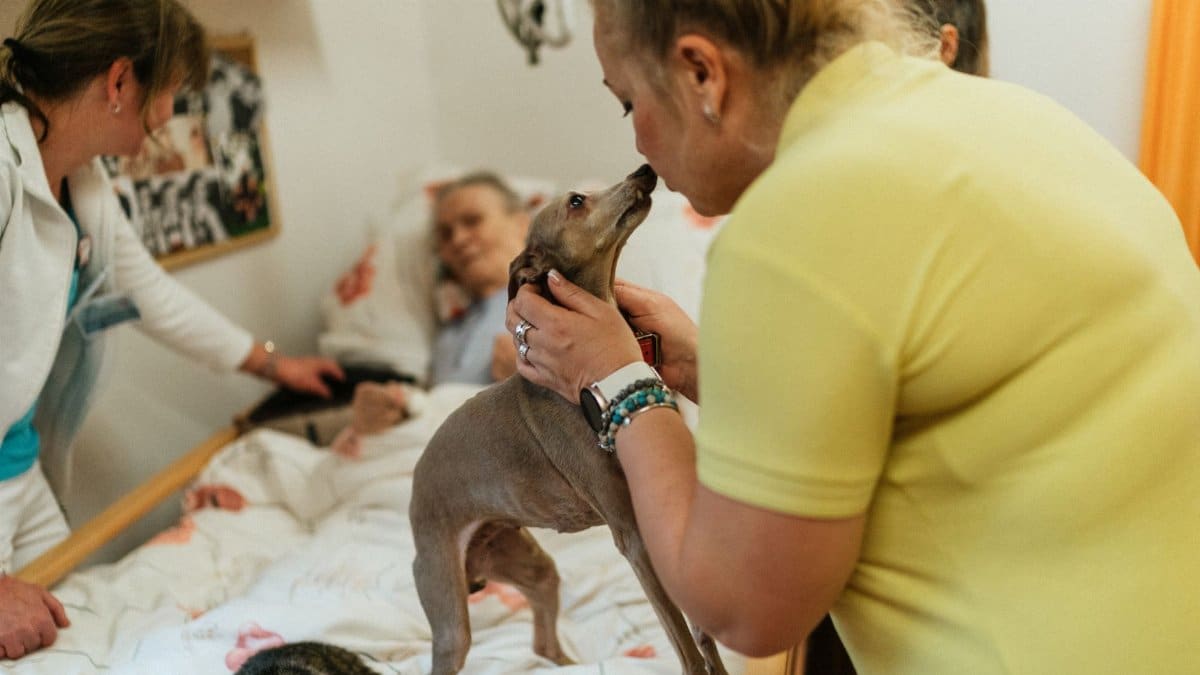
In a quiet room in a bustling city clinic a middle aged woman sat nervously awaiting her session. When a gentle golden retriever entered alongside the therapist her shoulders relaxed visibly. This scene illustrates the growing role of Animal Assisted Therapy in modern mental health practices where creatures offer nonverbal support that words alone often cannot provide.
Historical Context of Human Animal Connections
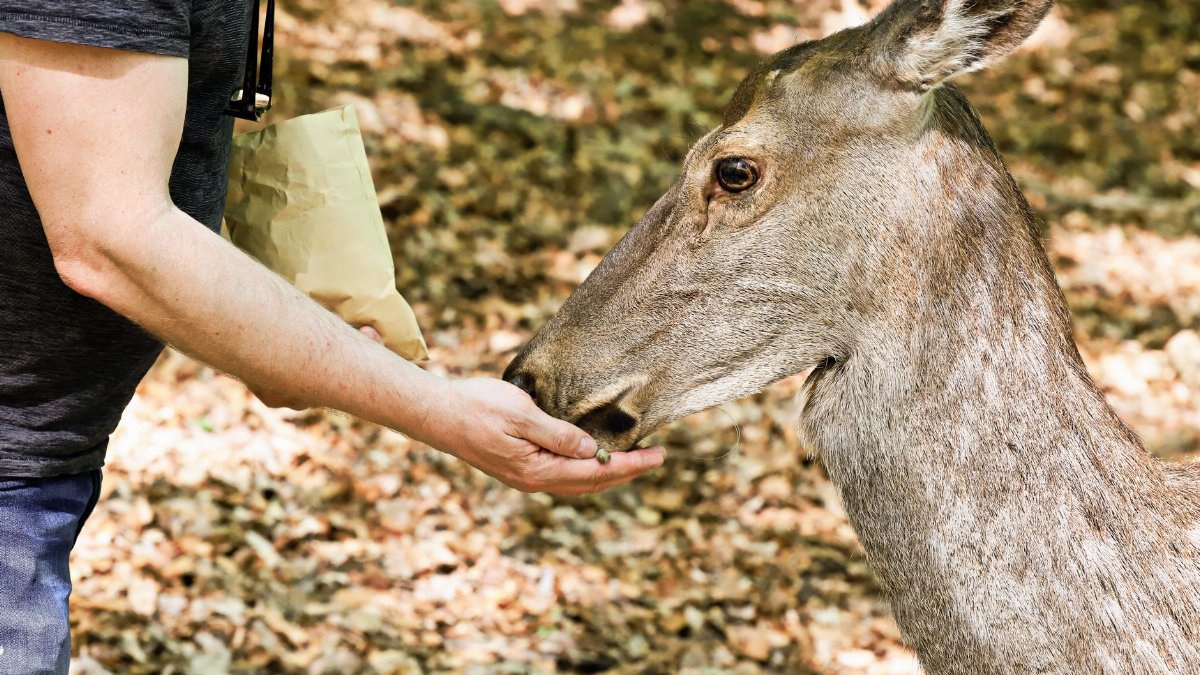
Throughout centuries people have turned to animals during times of emotional strain. Ancient civilizations documented the calming presence of dogs and horses in healing rituals. By the nineteenth century European hospitals began incorporating animals into patient routines noting reduced agitation among those in long term care.
Mechanisms Behind Comfort Creation

Animals respond to human cues with consistency that fosters safety. Heart rates often drop during interactions as oxytocin levels rise. Such physiological shifts create openings for deeper therapeutic work without the pressure of direct confrontation.
Integration in One on One Sessions

Therapists report that clients open up faster when an animal shares the space. Conversations flow more freely as attention moves between the creature and the clinician. This indirect focus eases entry into sensitive topics that might otherwise remain untouched.
Group Settings and Shared Experiences

In collective environments animals serve as neutral focal points. Participants who struggle with eye contact find common ground through petting or observing behaviors. Group cohesion strengthens as members coordinate tasks like walking or feeding together.
Role Within Inpatient Facilities

Hospitals and residential programs have expanded animal visits to address isolation. Regular interactions break the monotony of structured days. Staff observe fewer incidents of distress when animals are present on wards.
Research Findings and Supporting Data

A recent review from the American Psychological Association highlights measurable gains in emotional regulation across varied populations. The study details improvements in trust metrics after consistent exposure. Full details appear at https://www.apa.org/monitor/2026/07-08.
Training Requirements for Effective Practice

Handlers undergo extensive preparation to match animals with appropriate environments. Temperament assessments ensure suitability while ongoing evaluations track welfare. Such standards protect both clients and creatures during sessions.
Addressing Potential Limitations

Not every individual responds positively and allergies or fears require careful screening. Programs now emphasize flexibility allowing alternative approaches when animals prove unsuitable. Ethical guidelines stress voluntary participation at every stage.
Expansion Into Specialized Fields

Schools and rehabilitation centers explore tailored applications. Children with developmental challenges show gains in social initiation while veterans navigate trauma processing through structured activities. Each setting adapts core principles to unique demands.
Outlook for Continued Development

As acceptance grows professional organizations refine protocols and certification pathways. Broader insurance coverage may follow demonstrated outcomes. The field continues evolving toward greater accessibility while preserving the integrity of the human animal bond.