
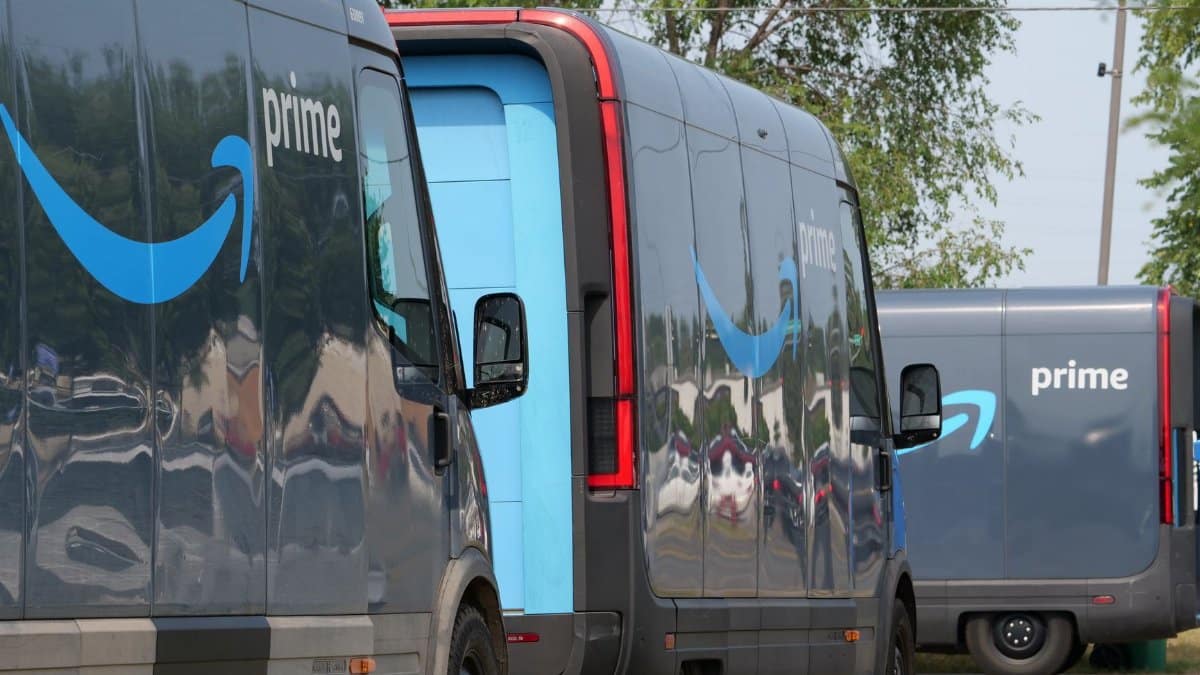
In the quiet town of West Deptford a familiar sight may soon give way to something new as packages begin traveling by air rather than by truck. Local officials recently shared that Amazon drone delivery will launch from a warehouse site this fall marking a shift in how goods reach doorsteps across South Jersey. The move builds on years of testing by the company and comes as regulators ease certain rules for unmanned aircraft in populated areas. Residents have mixed feelings about the change with some excited by faster service and others worried about noise or privacy. This development fits into broader efforts by major retailers to cut delivery times while managing rising fuel and labor costs. Observers note that success here could influence similar projects in other suburban zones nationwide.
Background on the West Deptford Site

The warehouse chosen for these flights sits in an industrial zone with good access to highways and open fields nearby. Officials describe the location as ideal because it allows test routes over less dense neighborhoods first. Preparations include installing charging stations and software systems to track each flight in real time. Company representatives met with township leaders several times to outline safety measures and flight paths that avoid schools and parks.
How Flights Will Operate Day to Day
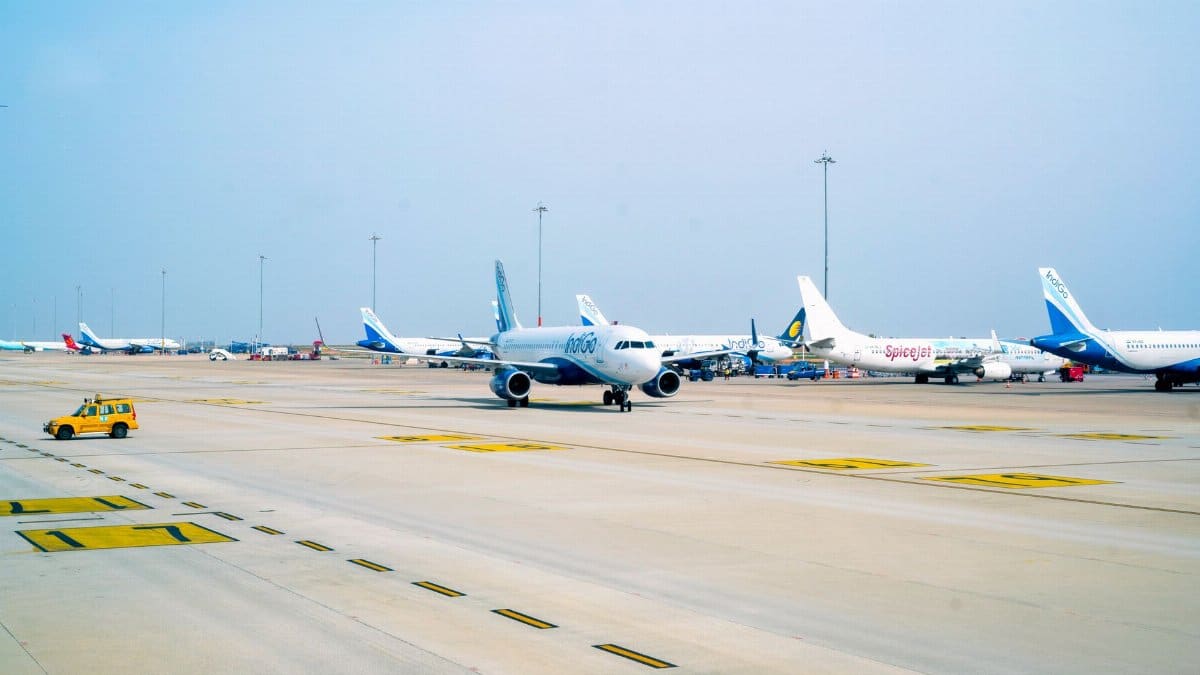
Each aircraft will carry a single package weighing up to five pounds and travel at low altitudes for short distances. After takeoff the vehicle follows a preprogrammed route using sensors to steer clear of trees buildings and power lines. Upon arrival the item lowers on a tether to a customer yard then the aircraft returns to base for its next assignment. Weather conditions such as strong winds or heavy rain will ground operations until conditions improve.
Reactions From Nearby Residents

Some homeowners welcome the prospect of quicker arrivals for everyday items like books or small electronics. Others express unease about buzzing sounds overhead or the chance of mechanical issues. Community meetings held last month drew dozens of attendees who asked detailed questions about volume of flights and data collection practices. Township staff promised regular updates once service begins.
Regulatory Steps That Made This Possible

Federal aviation authorities granted approvals after reviewing flight data from earlier trials in other states. Local permits focus on noise limits and insurance coverage in case of accidents. The process took nearly a year and required coordination between company engineers and township planners. Similar approvals have opened doors for limited operations in rural zones but suburban use remains rare.
Potential Effects on Local Traffic and Roads
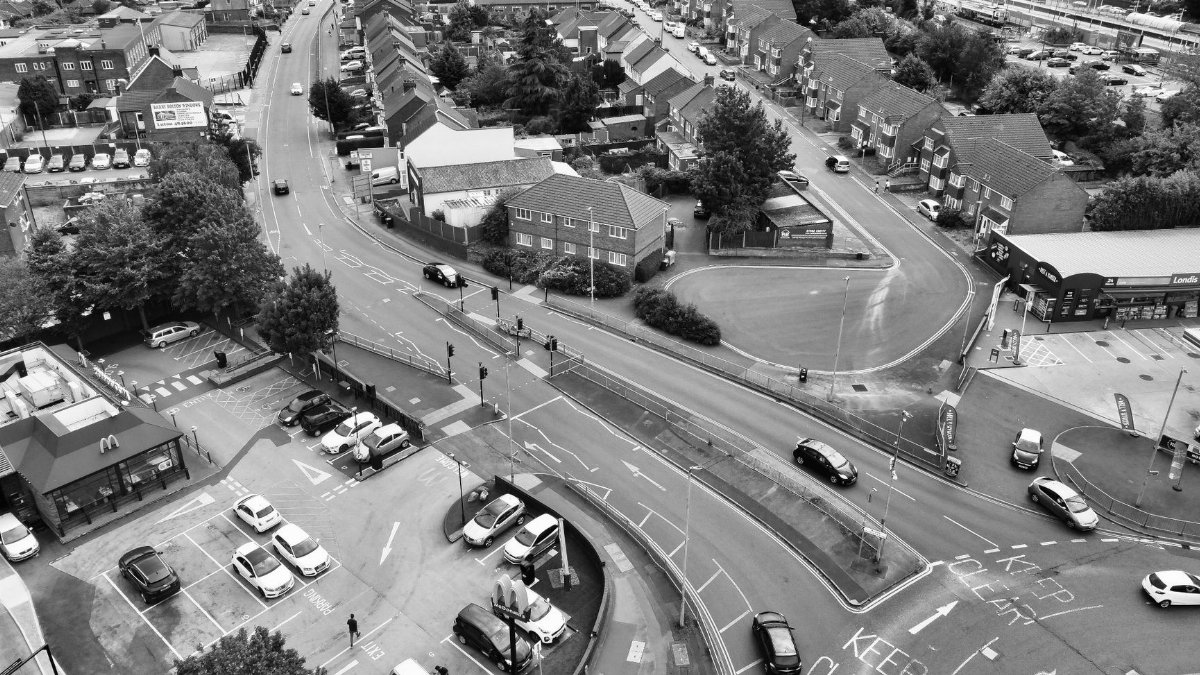
Fewer delivery vans on neighborhood streets could ease congestion during peak hours according to planners. Reduced vehicle miles may also lower emissions from diesel engines over time. Business owners along main roads worry about less foot traffic if more shoppers order online instead of visiting stores. Long term studies will track these shifts once the program runs for several months.
Environmental Considerations at Play

Electric motors produce no tailpipe emissions unlike traditional delivery trucks. Energy use per package is lower for short hops though manufacturing the aircraft adds upfront resource demands. Noise levels stay below thresholds set by local codes yet some bird habitats near the warehouse may need monitoring. Advocates for green transport see this as one step toward cleaner logistics networks.
Economic Opportunities for the Region
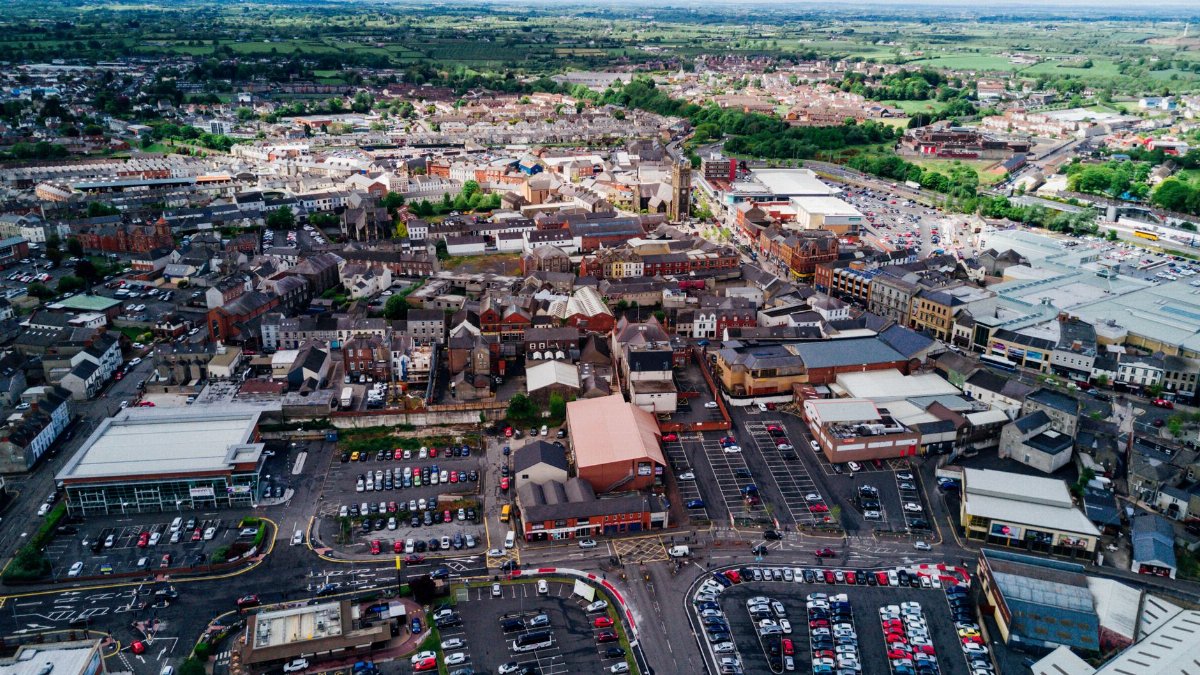
New jobs could appear in maintenance and operations at the warehouse site. Local suppliers of parts or software services may gain steady contracts as volume grows. Real estate values near approved flight corridors might rise if buyers view the service as a convenience. Economic development officials plan to measure these gains through annual surveys of employment and business activity.
Challenges That Could Shape Future Growth

Scaling beyond initial routes requires more aircraft and pilots for oversight plus robust backup systems. Public acceptance hinges on a clean safety record during early months. Expansion into denser urban cores faces extra hurdles around tall structures and crowded airspace. Company leaders say lessons from South Jersey will guide adjustments elsewhere.
Comparisons With Other Delivery Methods

Traditional trucks handle heavy or bulky orders that drones cannot manage. Ground services still dominate in areas with frequent rain or limited visibility. Some analysts expect a hybrid model to emerge where drones cover quick small item trips and vans handle the rest. Customer choice may increase as options multiply in coming years.
Looking Ahead to Broader Adoption

If the fall launch meets expectations officials anticipate requests for added routes within eighteen months. Success could encourage neighboring towns to consider similar programs. National trends point toward wider use of unmanned aircraft for commerce as technology matures and rules adapt. The South Jersey effort stands as an early test case for suburban settings.