

In the remote reaches of the Everglades a once bustling airport turned detention site has now returned to county hands. Officials in Miami Dade have reclaimed the property after state leaders dismantled the facility known for its harsh conditions and isolation. This development signals Alligator Alcatraz ends a chapter that drew sharp criticism from advocates concerned with dignity and due process for those held there. Observers note how the closure reflects shifting priorities in enforcement practices while raising questions about accountability in remote locations. The move allows the area to resume its original role serving aviation needs rather than holding people under difficult circumstances.
The Site Returns to Public Aviation Use

Miami Dade leaders expressed relief at regaining authority over the airport grounds. They plan gradual restoration of flight operations that had been suspended during the detention period. Local residents welcome the change as it promises renewed economic activity without the heavy security presence that defined recent years. County documents outline steps to inspect runways and terminals before full reopening.
Background on the Everglades Location
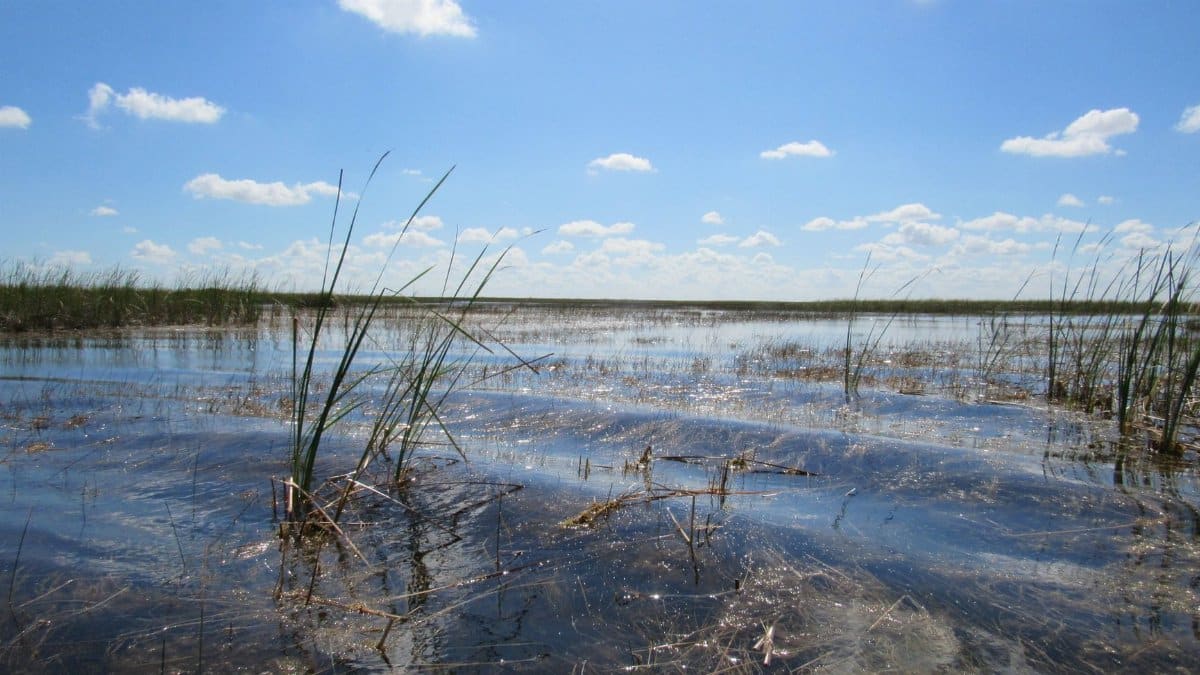
The airport sits deep within a sensitive wetland ecosystem known for its unique wildlife and water flows. Construction of the detention structures required careful navigation of environmental rules to avoid damaging surrounding habitats. Over time the site became a symbol of tension between security goals and preservation efforts in one of the nations most fragile natural areas.
Conditions Inside the Former Facility

Reports from former staff and visitors described limited access to medical care and outdoor time for those detained. Heat and humidity posed constant challenges in the open air setting surrounded by canals. Advocates pushed for improvements but found limited success before the decision to close arrived from higher authorities.
Community Reactions Across South Florida

Families of individuals once held at the site shared stories of separation and uncertainty during visits. Religious leaders in nearby areas organized gatherings focused on themes of mercy and justice drawing from various faith traditions. These events highlighted how policies affect real lives beyond statistics or headlines.
Political Factors Behind the Closure

State and federal coordination played a key role in the timing of the shutdown. Budget reviews revealed ongoing costs that outweighed benefits according to internal assessments shared with lawmakers. The transition back to county control followed negotiations that emphasized practical reuse of the land for civilian purposes.
Environmental Recovery Efforts Underway

Teams have begun assessing soil and water quality around the former structures to guide cleanup. Native plants may be reintroduced in disturbed zones to support the broader wetland health. Experts stress that such steps protect not only animals but also the spiritual sense of stewardship many feel toward the Everglades.
Lessons for National Detention Practices
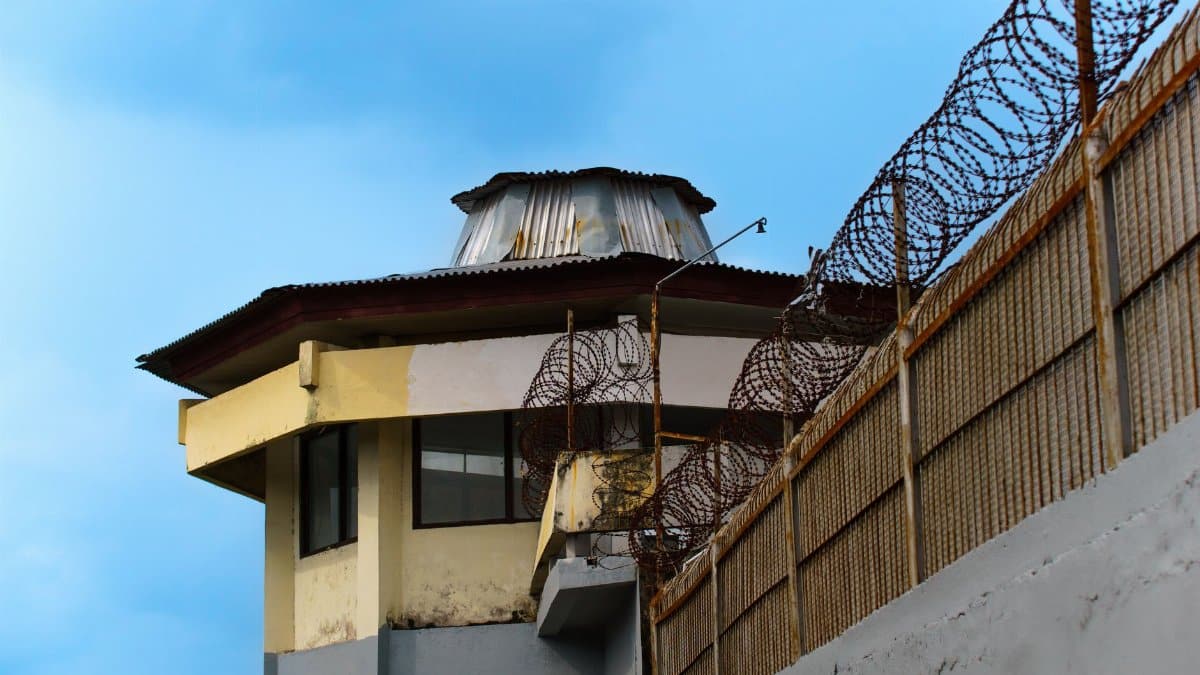
The experience offers perspective on balancing enforcement with humane standards in isolated settings. Discussions now turn to alternatives that keep communities safer while respecting individual rights. Policymakers examine models from other regions that prioritize shorter stays and better oversight.
Voices of Faith on Human Dignity

Clergy members have reflected on the events through sermons about compassion and the value of every person. They connect the closure to larger trends where moral considerations influence public decisions. Such reflections encourage readers to consider how society treats its most vulnerable members during times of change.
Next Steps for the Reclaimed Airport

Engineers will conduct thorough safety checks on all buildings and infrastructure. Flight schedules could resume within months if inspections pass without major issues. The county aims to integrate the site into regional travel networks supporting tourism and commerce once again.