
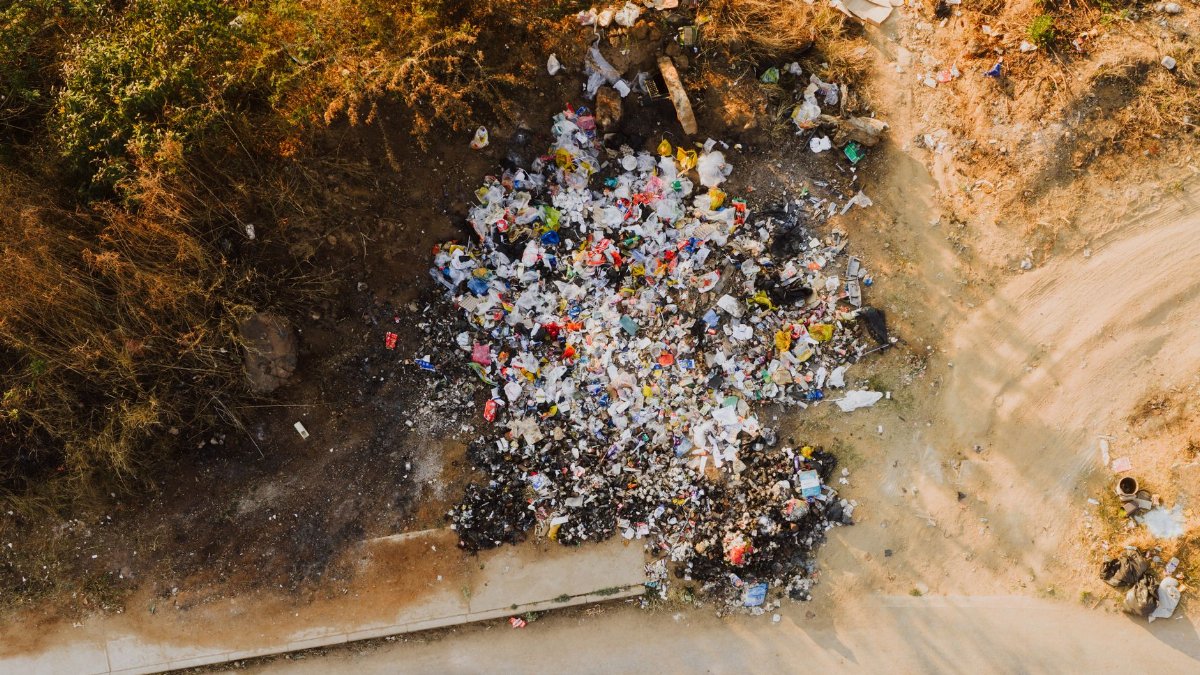
On a cold morning along a two lane road outside Castro Valley, a mattress leans against a guardrail beside a split bag of household trash and a stack of broken cabinets. No one has claimed the pile. No receipt sits on top. For the people who live nearby, the scene is familiar enough to feel routine, and it is one more instance of Alameda County illegal dumping in places where the county, not a city, is the government that has to answer.
A mess that outlasts the weekend

Illegal dumping is not a single bad habit. It is a pattern that shows up after move outs, remodel jobs, and nights when a hauling fee feels easier to skip than to pay. Couches, tires, paint cans, and construction scraps appear on shoulders, in creek cuts, and at the edge of open fields. Crews pick them up. Within days, or sometimes within hours, another load arrives.
Residents describe the cycle with a tired precision. They call it in. They wait. They watch the same pullout fill again. The frustration is not only aesthetic. Dumped waste can block drainage, attract rodents, and leave chemicals where rain carries them toward soil and streams. In unincorporated communities, the distance between houses can make a pile feel both conspicuous and oddly unowned, as if the road itself were a free landfill.
What the ordinance is designed to change

County leaders have answered with higher civil penalties aimed at people who treat public land as a disposal site. Under the ordinance, fines will start at $2,500 and rise to $10,000 for repeat offenders in unincorporated areas. The measure is scheduled to take effect in January. The point is deterrence as much as punishment: a penalty large enough that the savings from an illegal drop no longer look clever.
A first offense at that level is no longer a shrug. A second or later offense approaches the cost of a used car. Officials have framed the schedule as a response to dumping that smaller tickets failed to slow. Whether the numbers bite will depend on whether investigators can tie a pile to a person, a truck, or a business with evidence that holds up.
Why unincorporated roads draw the loads
Cities have their own codes, crews, and political pressure. Unincorporated pockets sit in a different administrative map. Services exist, but the landscape is often more open, the lighting thinner, and the chance of a witness lower after dark. A driver with a loaded pickup can be off a main road and back on it in minutes.
That geography matters. Alameda County contains dense cities and also ranch edges, canyon roads, and commercial strips where jurisdiction is easy to misunderstand. Dumpers do not need a legal theory. They need a dark shoulder and a belief that no one will connect the debris to them. Higher fines speak to that belief. They do not, by themselves, add patrol cars or cameras.
The people who pay before any fine is issued
Before a citation is written, neighbors absorb the cost in smaller ways. Parents tell children not to play near a suspicious pile. Walkers change their route. A business owner spends a morning on the phone because customers associate the block with neglect. Property values are harder to prove in a single anecdote, but blight has a way of settling into how a place is described.
There is also a fairness problem that residents name without much poetry. People who pay for legal disposal subsidize people who do not. Transfer station fees, bulky item pickups, and licensed haulers are not free. When someone avoids those costs by leaving a water heater in a ditch, the public cleanup bill lands on everyone else. A steep fine is one way to push that bill back toward the person who created it.
Enforcement is the hard part of a strong number

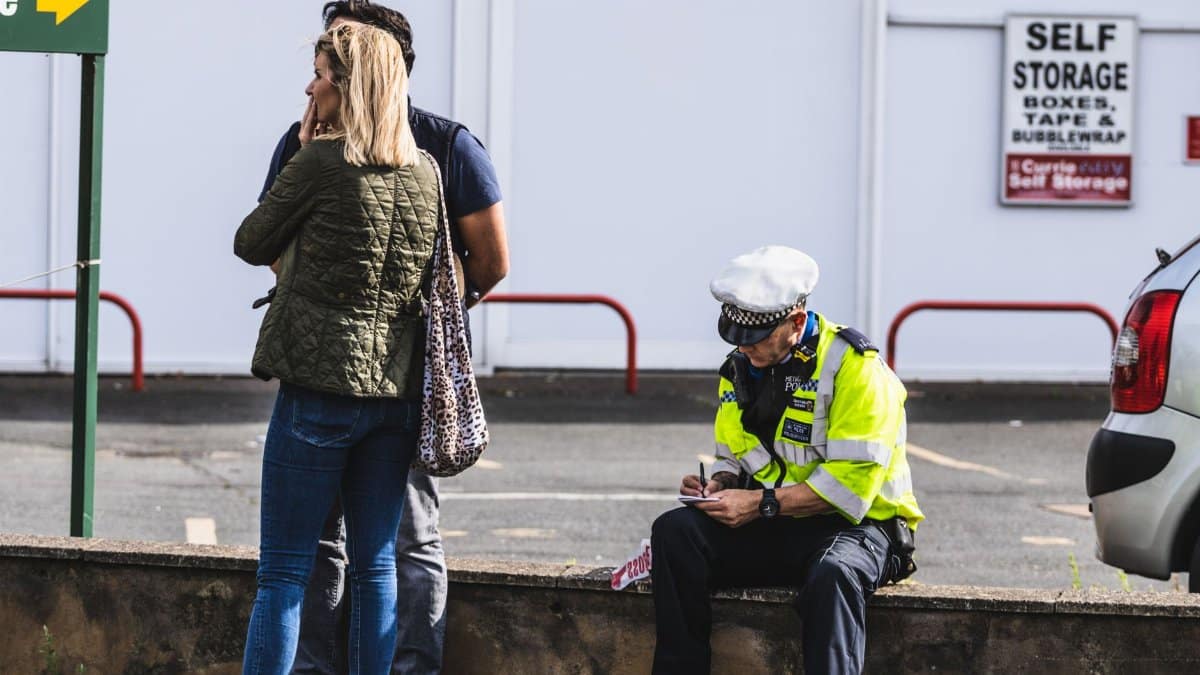
A penalty schedule is only as real as the cases that can be proved. Illegal dumping investigations often turn on partial facts: a partial license plate, a store receipt in a bag, a security camera that caught a truck but not a face, a neighbor who is willing to testify and willing to live with the consequences. None of that is automatic.
County staff will still need time to document sites, coordinate removals, and decide when a case is civil, criminal, or both. Repeat offender status requires a record that can be matched to a new incident. If files are thin, or if dumps happen across city and county lines, the top fine may remain a ceiling more often than a result. Alameda County illegal dumping cases have long suffered from that gap between what residents see and what a hearing officer can sustain.
Contractors, landlords, and the hired truck

Not every pile is a household sneaking out after midnight. Remodel debris, roofing, and yard waste often trace back to jobs where someone was paid to haul and chose the cheapest ending. Landlords clearing a unit, and small contractors racing a schedule, sit inside that economy. A $2,500 starting fine changes the math for a one time gamble. A $10,000 repeat penalty changes it again for anyone who treats dumping as a business practice.
The ordinance will work best if it reaches the person who directed the load, not only a day laborer left holding the blame. That requires questions at the scene and, when possible, paper: invoices, texts, and job addresses. It also requires legal disposal to stay understandable. If permit rules and facility hours feel opaque, some people will still look for a dark road. Clarity about where material can go is part of enforcement, even when it is less dramatic than a fine.
What cleanup crews already know
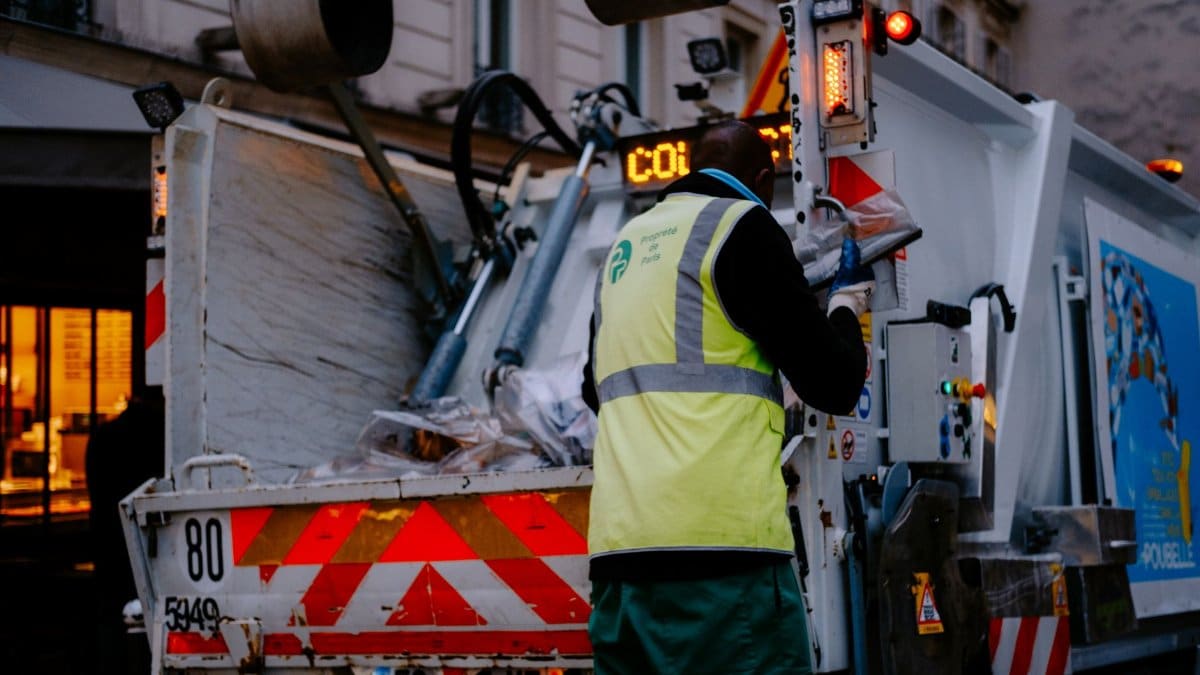
Removal is skilled work dressed up as hauling. Crews sort what can be recycled from what is hazardous. Tires, batteries, solvents, and electronic waste do not belong in the same truck bed as cardboard. A single illegal site can take more than one visit if the load is large or if access is poor. Each visit is staff time, fuel, and disposal fees that could have been spent on roads, parks, or other basic services.
Workers also face risk. Needles, broken glass, and unknown chemicals turn a roadside pile into a safety problem. The public rarely sees that part. They see the empty shoulder after the truck leaves, then the new pile that proves the underlying behavior did not leave with the trash. Fines are an attempt to interrupt that second act.
Cameras, witnesses, and the limits of watching

Counties across the region have experimented with cameras, reward tips, and targeted patrols at known dump sites. Those tools can help, and they can also disappoint. Cameras get vandalized. Tips arrive without enough detail. A clear image of a vehicle still needs a follow up that connects the vehicle to a driver at a particular hour.
Residents can help by noting time, location, vehicle description, and direction of travel, and by avoiding confrontation. Personal heroics at 1 a.m. on a rural road are a poor substitute for a report that investigators can use. The new fine schedule gives those reports a sharper consequence if they lead to a provable case. It does not ask neighbors to become deputies.
January and the test that follows

Taking effect in January gives the county a clean date to cite and a period in which to explain the rules before the first wave of cases. Public notice matters. A fine that people do not know about will not deter the driver who already thinks the shoulder is free. Signs, waste facility information, and plain language about repeat penalties are as practical as the ordinance text.
The early months will show whether the policy is a headline or a habit. If large fines are issued and publicized, the message may travel faster than any mailer. If cases stall for lack of evidence, dumpers will learn a different lesson. Alameda County illegal dumping will not end because a number changed on paper. It will ease only if removal, investigation, and legal disposal move together.
A standard for shared ground
There is a civic claim underneath the enforcement talk. Roadsides, creek banks, and vacant lots are not surplus space waiting for private waste. They are shared ground. Leaving a ruined sofa there is a decision to make someone else live with your leftover life. The ordinance puts a dollar figure on that decision, from $2,500 at the start to $10,000 when the behavior repeats.
Whether that figure feels proportionate will be argued in hearings and in neighborhood conversations. What is harder to argue is the condition of the places themselves. People in unincorporated Alameda County have been looking at other people’s refuse for long enough to know the difference between a delay and a policy. The January fines are a wager that accountability, stated clearly and applied with evidence, can make the next morning road a little less like a dump.