
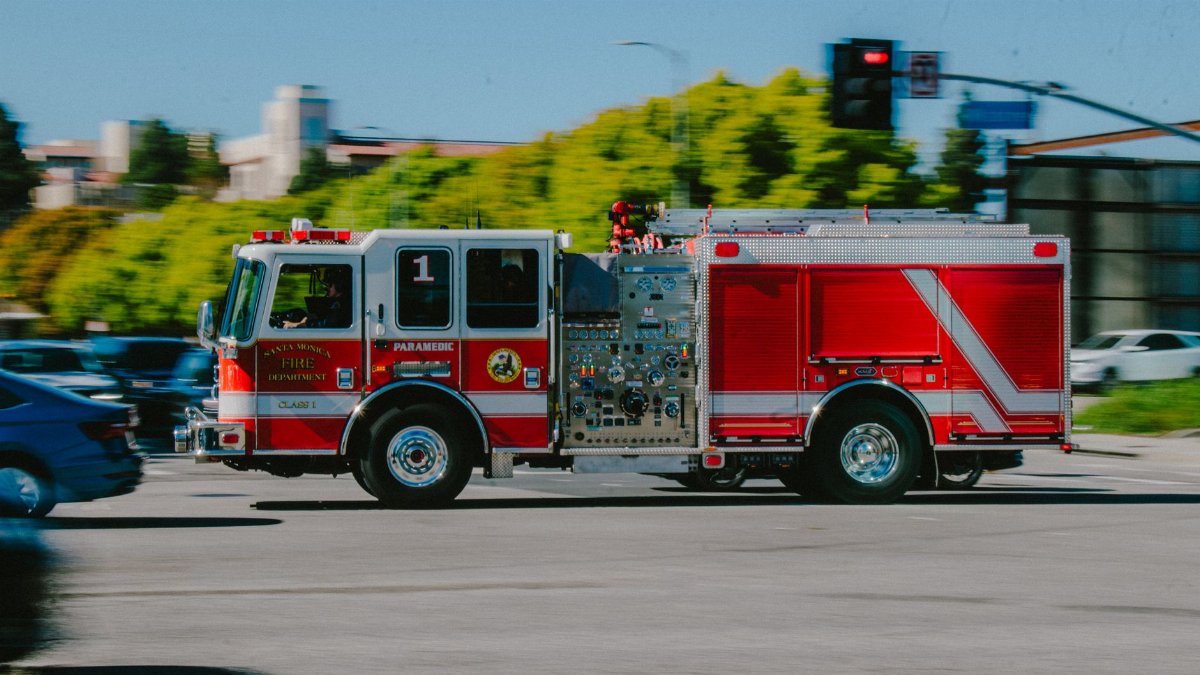
Before sunrise the canyons above Los Angeles often announce themselves with a dry hiss in the eucalyptus and a sky that looks too clear for October. This week that familiar weather has a sharper edge. Officials are treating Santa Ana winds LA fire preparedness as a public test, not a seasonal routine, after a year in which evacuation routes clogged, warnings arrived late for some neighborhoods, and crews spent the first hours chasing fires that outran the first maps. Residents who lost homes in the Palisades and Eaton fires do not need a meteorologist to explain the stakes. They need to see whether the city learned anything when the wind returns.
A wind that does not negotiate

Santa Ana winds are not a mood. They are a physical event. High pressure over the interior pushes air down through mountain passes toward the coast. As that air descends it warms and dries. Humidity can fall into the single digits. Gusts in exposed canyons can reach highway speeds. Embers travel farther than people expect, sometimes across streets that looked like a safe margin the day before.
In a city built into chaparral, that physics meets wood fences, shake roofs that should have been replaced years ago, and power lines that cross dry slopes. A spark that would die in humid air can become a running fire in minutes. Preparedness is not a slogan in that setting. It is a race between warning, movement, and fuel.
What last year left unfinished
The Palisades and Eaton fires still sit in the civic memory like an unpaid bill. Investigations and after action reviews, whatever their formal names, circled the same complaints. Some alerts did not reach people who had turned off noisy phones. Some roads that looked open on a map were already blocked by abandoned cars. Mutual aid arrived, but not always in the first window when a fire is still small enough to flank.
Those failures were not abstract. They were families deciding whether to grab documents or a pet, drivers inching toward a freeway onramp while ash fell on the hood, and firefighters choosing which street to hold because they could not hold all of them. Santa Ana winds LA fire preparedness only means something if it changes those minutes, not the press conference that follows.
Staging crews before the first call
This week agencies have talked less about heroics and more about placement. Engines, hand crews, and water tenders are being moved toward likely start zones before a fire is reported. Helicopters are being kept closer to the basins where they can actually fly when visibility allows. That sounds obvious. It is also expensive, and it pulls resources from quieter stations that still have medical calls and structure fires of the ordinary kind.
The bet is that a crew already on a ridge saves more than a crew rolling from across the county after the first column of smoke. Veterans of these winds will tell you the first hour is the whole argument. If that hour is spent in traffic on the 405, the plan has already failed, no matter how many engines are listed on a roster.
Closing gates and angering the public

Access limits are the part of the plan that residents feel in their bodies. Trailheads close. Some canyon roads restrict through traffic. Parks that are usually a weekend escape become off limits because a careless cigarette or a hot muffler is enough. People who hike those trails every morning hear the closure as bureaucracy. Fire officials hear it as removing ignition sources they cannot supervise.
The tension is real. Los Angeles does not have a culture that enjoys being told to stay out of its own hills. Yet the alternative, learned at cost, is a rescue in terrain where the wind is already pushing fire uphill faster than a person can run. A closure that feels petty on a blue morning can look like the only sane decision by afternoon.
Warnings that have to find the person
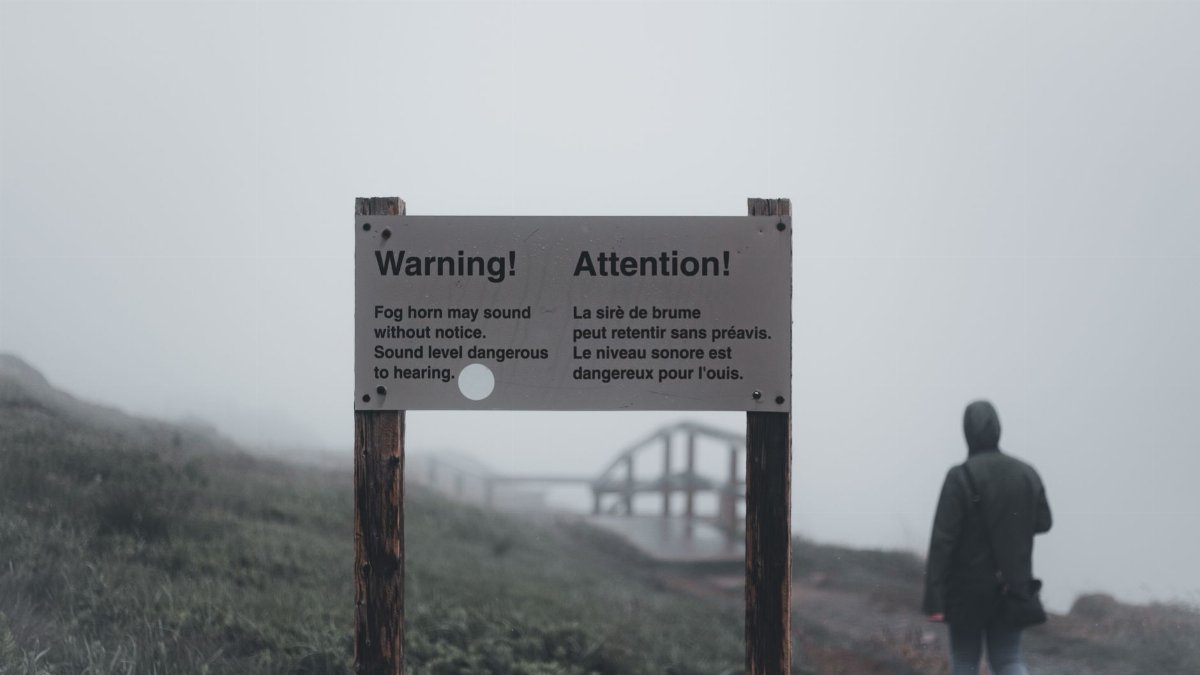
Technology was supposed to solve the alert problem. It has not, not fully. Wireless emergency alerts reach many phones and miss others. Apps require downloads and settings that older residents never touch. Door to door notification still matters on streets where people sleep through sirens or do not speak English as a first language. Santa Ana winds LA fire preparedness includes this unglamorous work: lists of who needs a knock, not only a push notification.
Language access is part of competence. So is redundancy. A single channel is a single point of failure. Cities that performed better in past wind events tended to repeat the same message on radio, text, social feeds, and loudspeakers, even when it felt excessive to the people sending it. Excess, in this case, is a form of respect.
Power shutoffs and the cost of darkness
Utilities face an ugly choice when lines run through dry brush. Leaving power on risks a spark from equipment. Turning it off risks medical devices, traffic signals, and the resentment of customers who did nothing wrong. Public safety power shutoffs have become a familiar phrase in California, and a familiar grievance.
What residents want, reasonably, is notice that arrives early enough to charge a phone, fill a bathtub, and move a relative who depends on electricity. What they often get is a shifting map and a window that keeps sliding. If this week’s winds are a test, the grade will depend as much on how the lights go out as on how the fire engines roll. A shutoff without a clear clock is just another failure with a safety label on it.
Houses that were never finished being ready
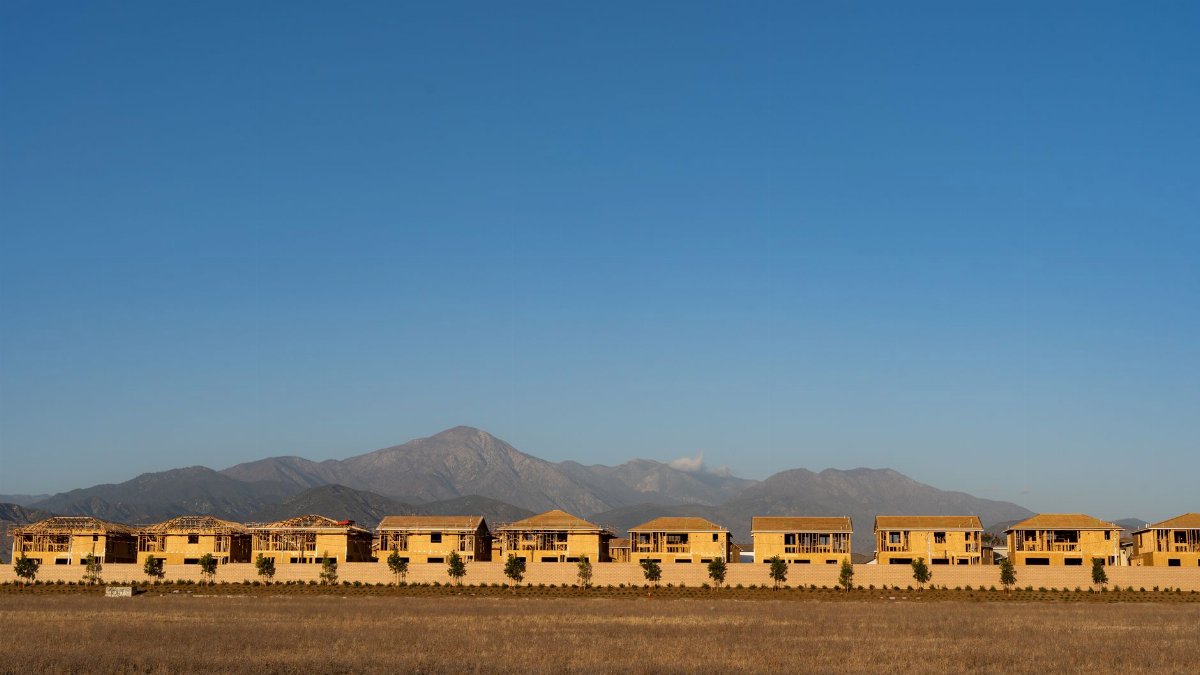
Individual preparation sits beside public preparation, and neither excuses the other. Defensible space, the cleared zone around a house, is not a guarantee. It is a chance. Ember resistant vents, a roof that does not invite fire, and a hose that actually reaches the fence line will not stop a crown fire. They can stop the small ignitions that decide whether a block survives when the main front has passed.
Many hillside homes were built for a view, not for a wind event. Retrofits cost money that not every owner has. Insurance, where it still exists, has grown narrower. Preparedness talk that ignores cost becomes a lecture. Preparedness policy that subsidizes only the already secure becomes a class sorting. The city has not resolved that tension, and the wind will not wait for a fairer subsidy.
Evacuation as a traffic problem
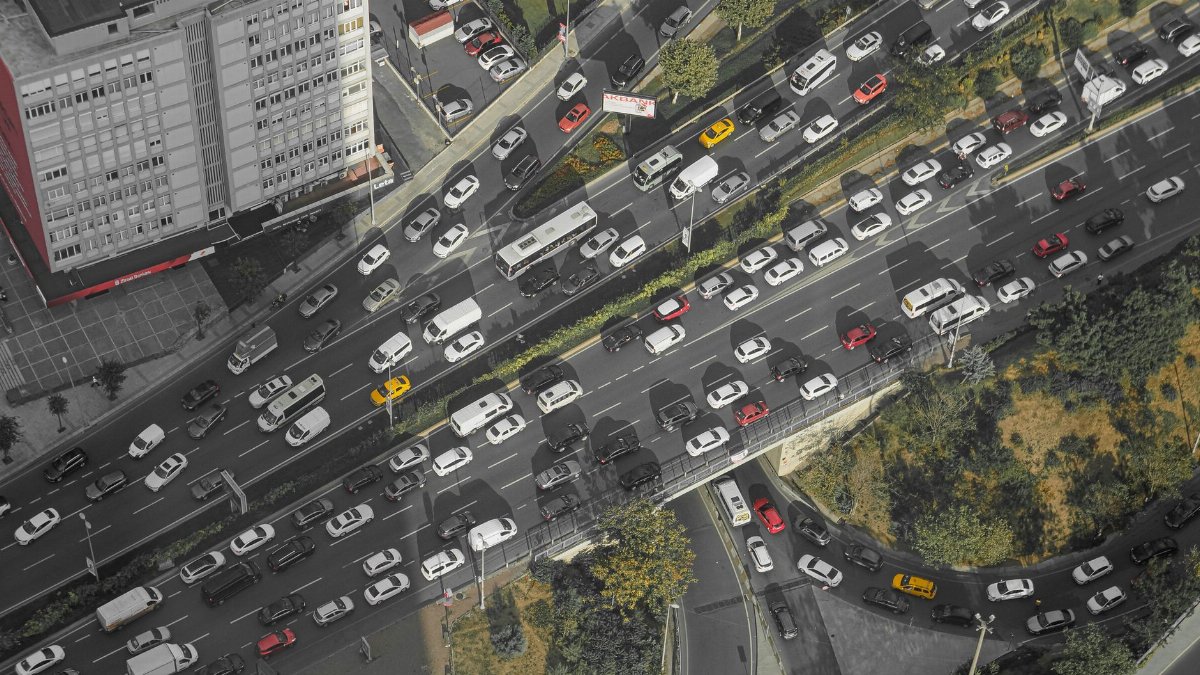
The cruelest lesson of recent fires was not only flame. It was congestion. A plan that assumes everyone leaves at once, in private cars, on two lane roads, is a plan that has not looked at the map. Contraflow, staged departure by zone, and clear instructions about which way to turn matter more than a generic order to go.
People also leave late because they have left late before and been fine. That memory is dangerous. Officials who cried wolf in milder events pay for it when the wolf is real. The remedy is not vaguer language. It is zones that mean something, timelines that do not contradict the sheriff down the road, and a public record of why a given street was told to move when the neighboring street was told to wait.
The neighbors who already packed a bag

Walk certain blocks in the Palisades or near Eaton Canyon and you will find garages where a go bag has sat by the door since last winter. Copies of prescriptions. A leash. A folder of policies. Children who know which car they ride in. This is not paranoia. It is memory with a zipper.
Community groups have filled gaps that agencies still treat as optional: welfare checks on older neighbors, group texts that translate an official alert into plain speech, rides for people without cars. Santa Ana winds LA fire preparedness is incomplete if it counts only engines and not these informal networks. It is also incomplete if it leans on volunteers so heavily that the public system never has to improve.
What officials can actually prove this week

Proof will be specific. Did pre positioned crews reach reported smokes before they became names? Did access closures hold without chaotic exceptions for the well connected? Did alerts arrive in more than one language, on more than one channel, with zones that matched the streets people actually live on? Did power shutoffs come with hours of notice rather than minutes? Did evacuation messages avoid sending two neighborhoods toward the same choke point?
None of that requires a miracle. It requires boring coordination and the willingness to disappoint people who want the hills open and the lights on. I have covered enough of these weeks to know the press briefing will sound confident either way. Confidence is cheap. A quiet afternoon, with crews in place and no new scar on the ridgeline, is the only result that counts.
After the wind drops

When the gusts ease, the temptation will be to declare the test passed because the worst case did not arrive. That is a trap. A week without a major fire can mean the plan worked. It can also mean luck, a lack of ignitions, or a wind that shifted ten degrees and spared the most exposed slope. Santa Ana winds LA fire preparedness should be judged by whether the machinery of warning and movement was actually ready, not only by whether the sky stayed clear.
Residents who rebuilt, or who are still deciding whether to rebuild, are watching for something quieter than a victory lap. They want fewer contradictions between city, county, and utility. They want roads that can empty. They want a knock on the door if the phone stays dark. The wind will come again. The only open question is whether the next time it comes, the failures of the last time will still be waiting on the same streets.