
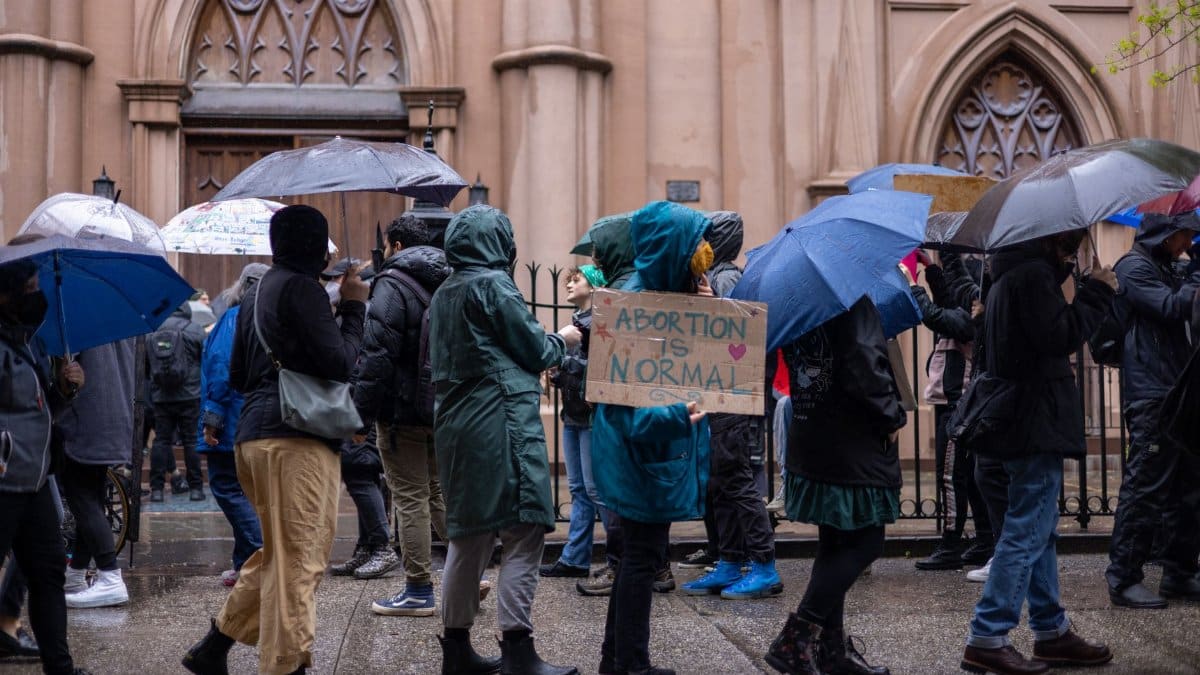
In a modest Boston office suite a coalition of citizens recently submitted official paperwork aimed at halting enforcement of expanded access rules and placing the question before voters years from now. Their campaign focuses on the Massachusetts abortion referendum as the mechanism to pause and potentially overturn provisions that permit procedures later in pregnancy. Organizers argue that recent statutes overlook longstanding public concerns about viability and ethics while supporters of the statutes insist the measures protect essential health choices during difficult circumstances. The filing marks the start of a signature gathering process that could lead to a statewide vote in two thousand twenty eight.
Origins of the Current Policy Dispute

The new statute emerged from legislative sessions last year after advocates highlighted gaps in care for patients facing complex medical situations. Lawmakers expanded time frames and removed certain requirements that had existed for decades. Critics contend the adjustments arrived without sufficient input from communities holding traditional views on when life begins. The Massachusetts abortion referendum now serves as their avenue for review.
Mechanics of Signature Collection

State rules require organizers to gather hundreds of thousands of verified signatures within a fixed window. Volunteers plan to station themselves at community events fairs and places of worship across multiple counties. Each petition page must follow strict formatting to avoid rejection by election officials. Success depends on broad turnout from citizens who rarely engage in petition drives.
Public Sentiment Across Regions

Surveys conducted by independent pollsters reveal divided opinions that shift depending on the exact wording of questions. Urban areas tend to favor continued access while suburban and rural respondents express greater reservations about later procedures. The Massachusetts abortion referendum could clarify these patterns through actual ballot results rather than hypothetical polls.
Role of National Organizations

Groups with headquarters outside the state have offered logistical support and training sessions for local volunteers. These partnerships bring experience from prior ballot efforts in other states yet raise questions about outside influence on Massachusetts matters. Organizers maintain that funding remains transparent and decisions stay with residents.
Legal Challenges Already Emerging

Attorneys representing clinics have signaled plans to contest the referendum language in court if signatures qualify. They argue certain proposed restrictions conflict with established constitutional protections. Judges may need to rule on technical aspects before any measure reaches the ballot in two thousand twenty eight.
Impact on Medical Providers

Hospitals and clinics that perform the affected procedures now face uncertainty about future regulations. Some have begun reviewing protocols while others await clarity from the signature process. Physicians describe difficult conversations with patients who worry about access timelines amid the political developments.
Historical Precedents in State Voting

Massachusetts has placed several social issues before voters over the past fifty years with mixed outcomes. Past referendums on gambling and education funding produced turnout that surprised analysts. Observers expect similar engagement if the Massachusetts abortion referendum advances.
Media Coverage Patterns

Local outlets have devoted steady attention to the filing while national networks mention it mainly within broader discussions of state level reproductive policies. Opinion pieces range from strong support for the signature drive to warnings about potential erosion of established rights. Balanced reporting remains essential for readers seeking context.
Next Steps for Both Sides

Signature verification will occupy election officials for several months after the submission deadline. If enough valid names appear the measure moves forward and both campaigns will intensify outreach. The Massachusetts abortion referendum process allows time for education efforts before any final vote.
Broader Implications for Similar Efforts

Success or failure here may influence strategy in neighboring states considering parallel actions. Organizers elsewhere watch the Massachusetts case for lessons on messaging and coalition building. The outcome could shape national conversations on how citizens use direct democracy tools regarding sensitive health topics.