
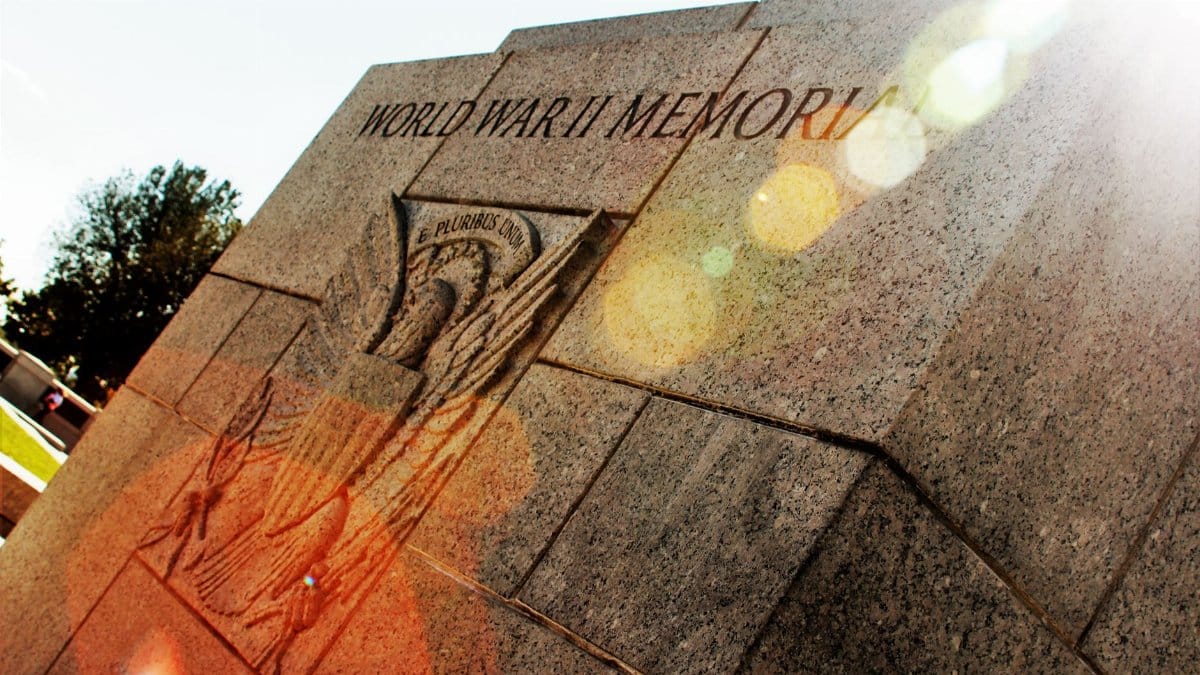
In the hushed storage vaults of Boston Museum of Fine Arts a five inch Flemish panel from the sixteenth century sits quietly among thousands of other works. Once part of the collection assembled by Hermann Göring this small painting now anchors one of the most extensive unresolved claims for art displaced in the upheaval of WWII. The MFA WWII painting has drawn renewed attention as heirs and institutions revisit ownership records that stretch back nearly eight decades.
Tracing the Path from Private Collection to Museum Vault
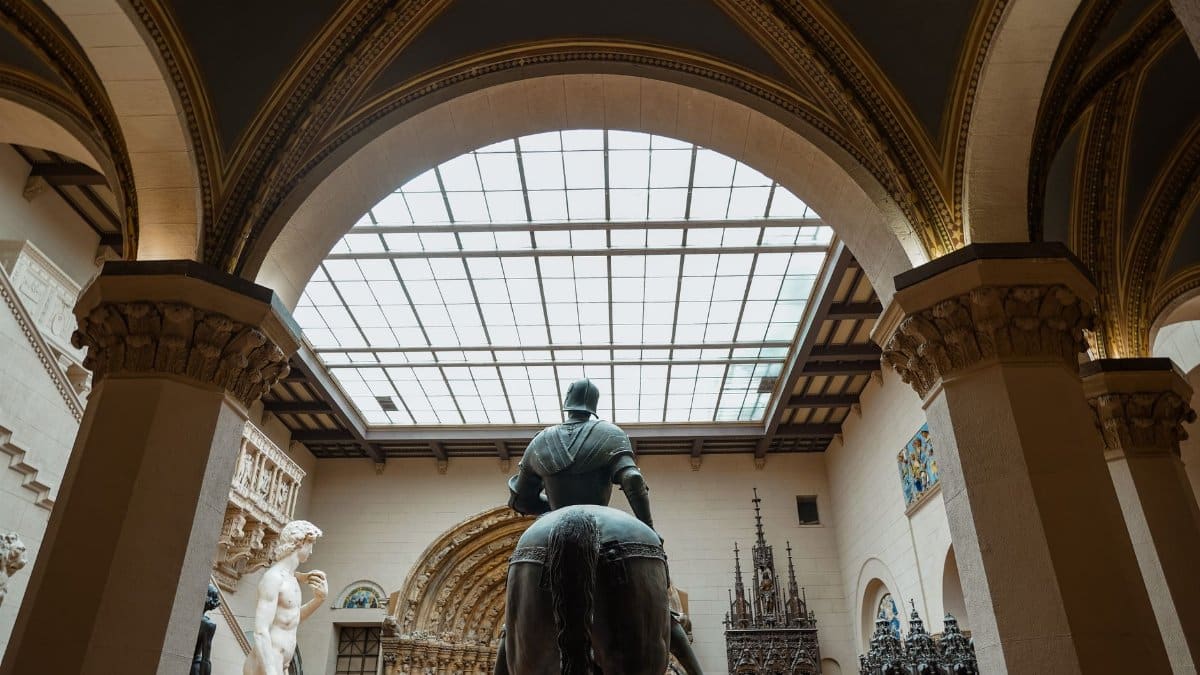
The panel entered Göring holdings during the occupation of France when Nazi officials systematically gathered cultural items from Jewish owners and dealers. After Allied forces recovered the painting in 1945 it passed through several European repositories before arriving in the United States. Museum records show it reached Boston through a series of donations and purchases that at the time appeared routine.
Why One Object Represents Thousands of Similar Cases

Restitution experts note that this single panel illustrates the scale of claims still pending across American institutions. Thousands of works changed hands under duress yet documentation gaps leave many in legal limbo. The current dispute involves detailed provenance research that compares prewar inventories with postwar movements across borders.
Legal Frameworks Shaping Modern Claims

United States courts have increasingly applied standards developed in the late twentieth century to evaluate good faith acquisitions. Claimants must demonstrate that their ancestors held clear title before 1939 while museums must show they conducted reasonable searches at the time of acquisition. These overlapping requirements create lengthy proceedings that can span multiple years.
Role of Archival Research in Establishing Ownership
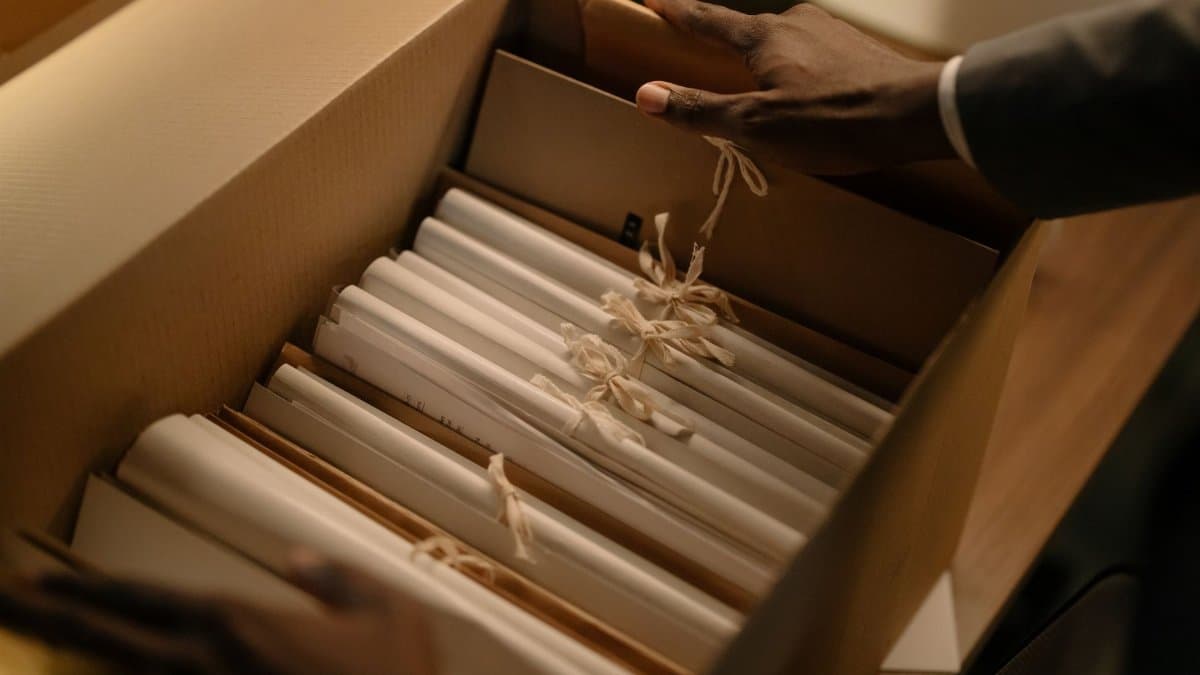
Historians working on the case have examined shipping manifests dealer ledgers and occupation era photographs stored in German and French archives. Digital databases now allow cross referencing of names and dates that earlier generations reviewed only on paper. Each new fragment of evidence can shift the balance of an argument that once seemed settled.
Impact on Museum Storage and Public Access Policies
Because of the ongoing review the panel remains unavailable for exhibition or loan. Curators have adjusted rotation schedules for other Flemish works to avoid drawing attention to gaps in the permanent display. The situation has prompted internal discussions about how long objects under review should stay out of public view.
Broader Discussions Among American Cultural Institutions
Similar reviews are underway at museums in New York Chicago and Los Angeles as heirs file fresh inquiries. Professional associations have issued guidelines urging proactive provenance audits rather than waiting for external demands. These voluntary measures aim to reduce future litigation while acknowledging that complete certainty is rarely possible.
Challenges of Valuation for Works Without Recent Sales
Determining fair compensation requires comparing the panel to recent transactions of comparable sixteenth century Flemish art. Market data remain sparse for objects of this size and condition leading experts to rely on insurance estimates and private treaty records. Both sides have retained independent appraisers whose findings differ substantially.
Ethical Questions for Current Stewards

Museum trustees face difficult choices between preserving institutional collections and addressing historical injustices. Some argue that long possession creates moral title while others maintain that original theft cannot be erased by time alone. These conversations occur in boardrooms and scholarly journals alike.
Future Outlook for Resolution Mechanisms

Mediation panels composed of art historians lawyers and former judges have resolved several comparable disputes in Europe. American institutions are watching these experiments to see whether similar models could shorten proceedings without sacrificing fairness. Legislation introduced in Congress would expand funding for provenance research at public museums.
Lessons for Collectors and Donors Today
Contemporary buyers of older European art now request extended provenance reports that cover the years 1933 through 1945. Auction houses have tightened cataloguing standards accordingly. These practices reduce the chance that another small panel will enter an American collection under a cloud of uncertainty.