
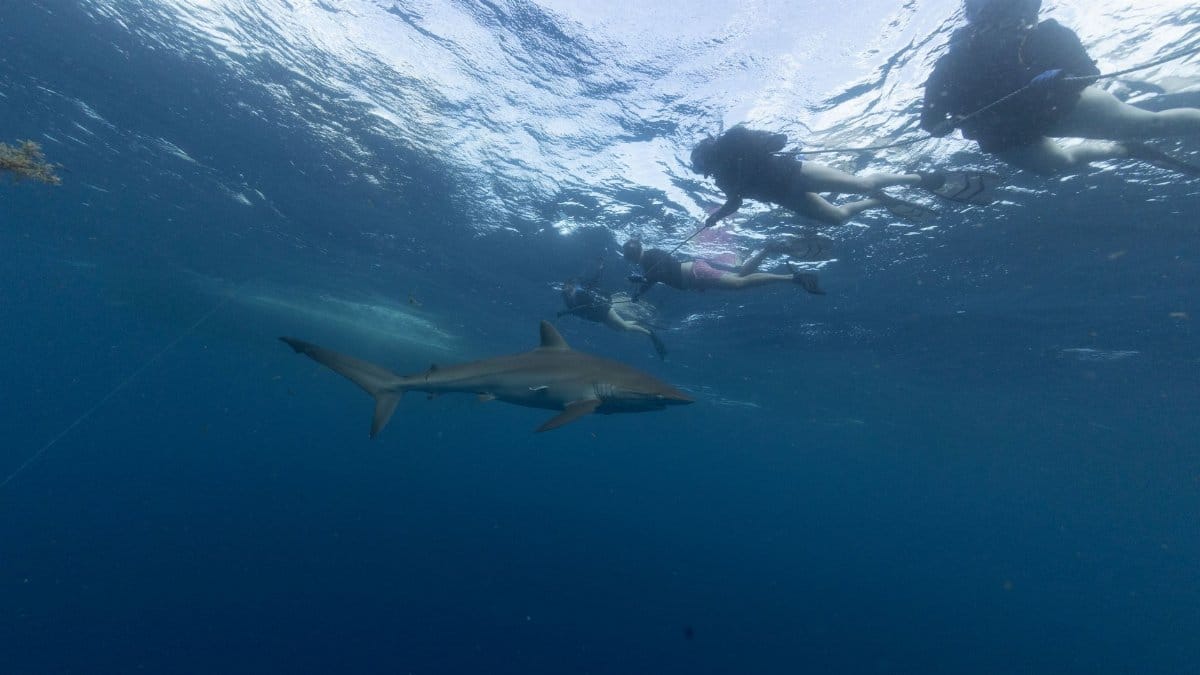
In the sunlit waters off Florida, where divers and boat operators have long drawn marine life close for paying customers, a proposed restriction is stirring wider questions about how people interact with the ocean. The shark-feeding ban sits at the heart of this conversation, forcing a closer look at tourism habits that have shaped coastal economies for decades.
The Roots of the Regulation

State lawmakers introduced the measure after reports showed repeated feeding sessions altering shark behavior near popular reefs. Marine biologists noted that animals began associating boats with easy meals, which raised safety concerns for swimmers and increased the risk of unintended encounters. Local fishing groups supported the step, arguing that natural hunting patterns needed protection from commercial interference.
Impacts on Coastal Tourism Businesses
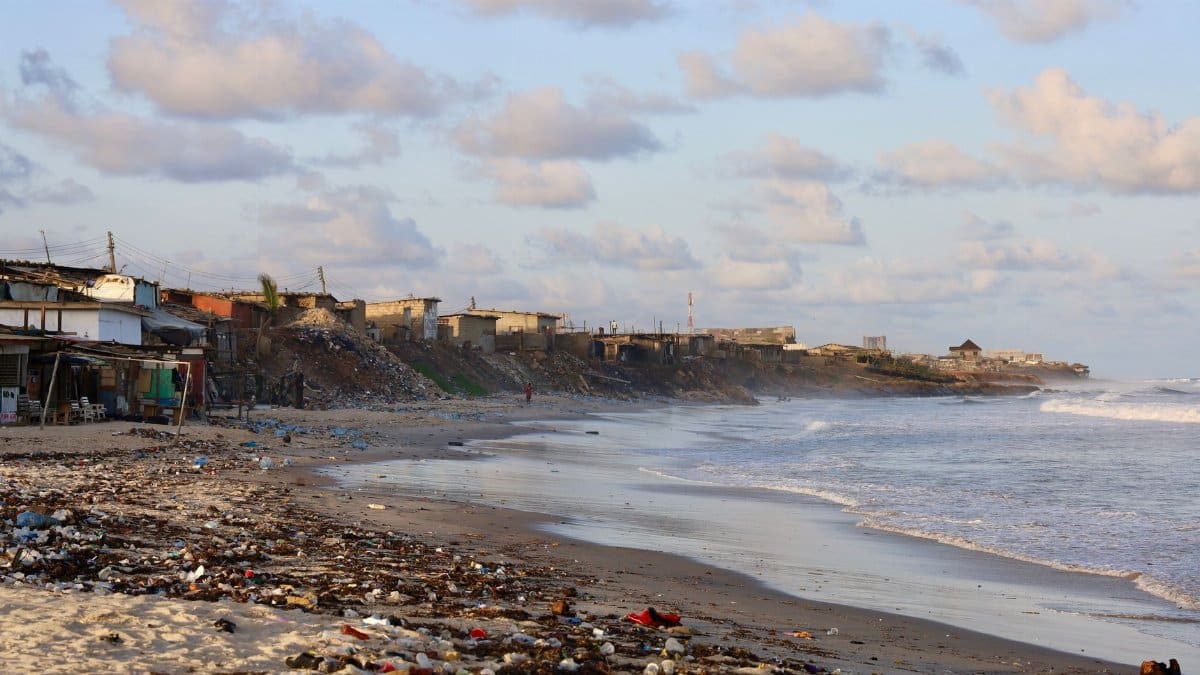
Operators who once ran daily shark viewing tours now face the task of redesigning their offerings. Some have shifted toward photography based excursions that keep distance from the animals. Others worry about lost revenue during peak season, when visitors once paid premiums for guaranteed sightings. The shift highlights how tightly some regional economies rely on controlled wildlife access.
Ecological Shifts in Florida Waters

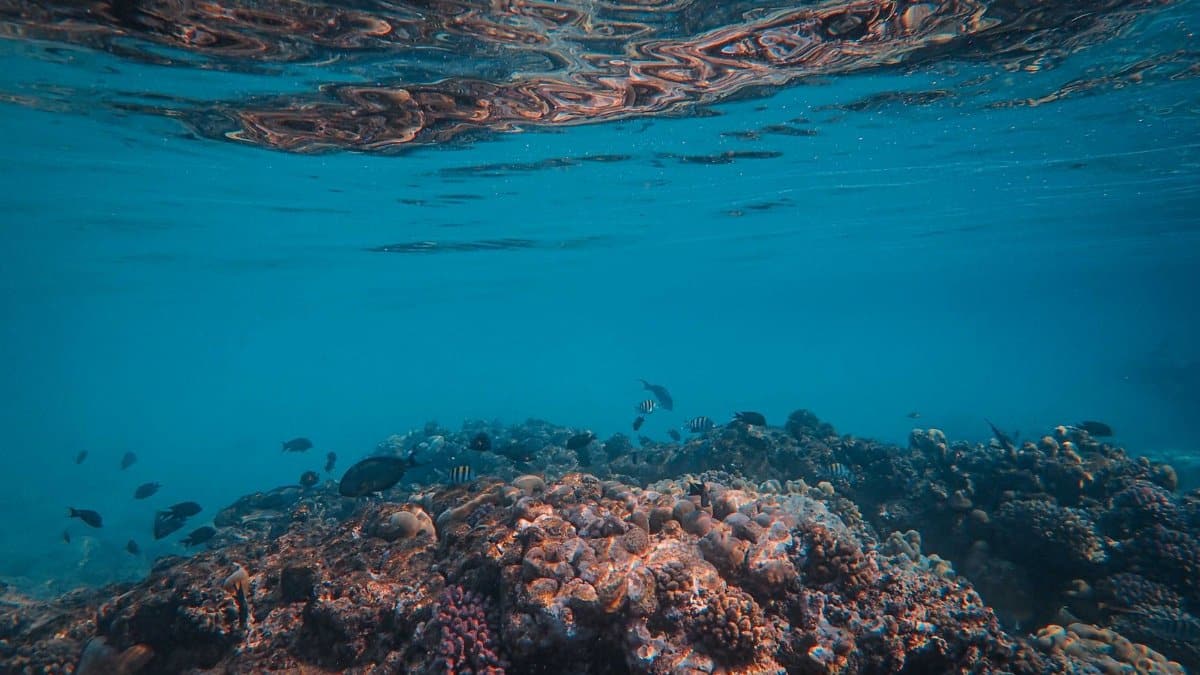
Observers have documented changes in reef ecosystems that coincide with decades of supplemental feeding. Fish populations that sharks normally pursue appear more abundant in certain zones, while some species show signs of dependency on human schedules. These patterns suggest broader adjustments underway as water temperatures rise and prey distributions move.
Views From Marine Researchers
Scientists at coastal universities emphasize that long term data remain limited. They call for extended monitoring programs to track whether the shark-feeding ban produces measurable improvements in animal health or population stability. Early models predict modest gains if enforcement stays consistent across counties.
Public Sentiment and Community Response

Surveys conducted in beach towns reveal divided opinions. Residents who value quiet shorelines often welcome limits on large gatherings, while dive instructors stress the educational value of close encounters. Town hall meetings have drawn steady crowds, with participants sharing stories of both wonder and unease around the water.
Comparisons With Other Protected Areas
Similar rules in Caribbean nations provide one reference point. Those regions reported fewer aggressive incidents after restrictions took hold, though visitor numbers dipped initially before recovering through alternative activities. Florida officials have studied those outcomes while drafting their own guidelines.
Enforcement Challenges Ahead

Patrol boats and aerial surveillance would help track compliance, yet budget constraints limit coverage across the full coastline. Advocates suggest partnerships with local marinas to report violations quickly. Without steady oversight, some fear the intent of the shark-feeding ban could erode over time.
Looking Toward Future Ocean Policies

The current debate serves as a test case for how Florida might address other emerging pressures on its marine environment. Discussions already include limits on certain fishing gear and expanded sanctuary zones. Each step reflects growing recognition that human activity and natural systems remain closely linked along the peninsula.