
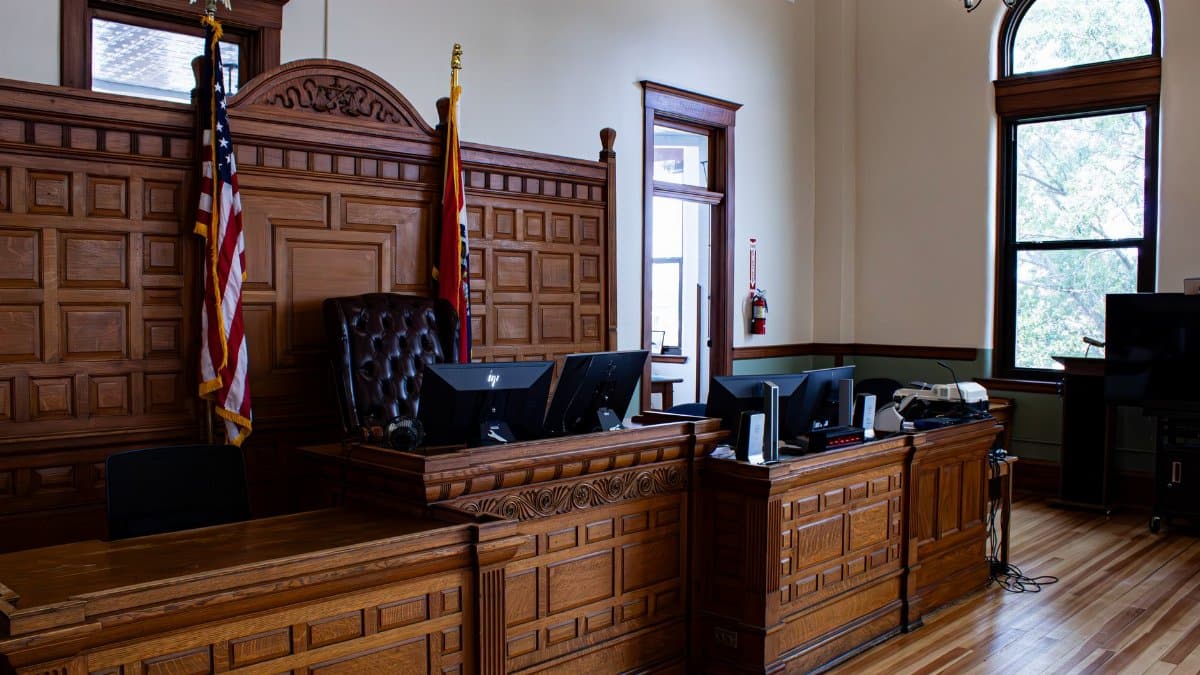
In the quiet neighborhoods of south Minneapolis, where community gatherings often center on faith and mutual support, a local congregation has taken an unusual step in federal court. The move comes amid claims that agents from the Department of Homeland Security crossed lines drawn by an earlier judicial order. By asking a judge to find the agency in contempt, the church frames its action as a defense of religious space against surveillance practices. Observers note this development brings the concept of Church Contempt into public discussion for the first time in this region.
Roots of the Legal Conflict

The dispute traces back to protests and sanctuary activities at the church several years ago. Members offered shelter to individuals facing deportation proceedings. Federal authorities responded with monitoring that the congregation says violated privacy expectations tied to worship. Court records show an injunction was issued to limit such activities near the building itself.
Nature of the Alleged Violations

Lawyers for the church argue that agents continued to gather information through informants and recording devices even after the order took effect. They point to affidavits from parishioners who noticed unfamiliar faces at services and unusual vehicle activity outside. These details form the core of the contempt request now before the judge.
Understanding Church Contempt in Practice

Church Contempt arises when religious institutions believe government actions undermine judicial protections. In this instance the term captures the frustration of leaders who see their sanctuary as both spiritual and legal ground. The filing asks the court to impose sanctions that would halt further intrusions and require disclosure of past operations.
Role of Immigration Enforcement Tactics
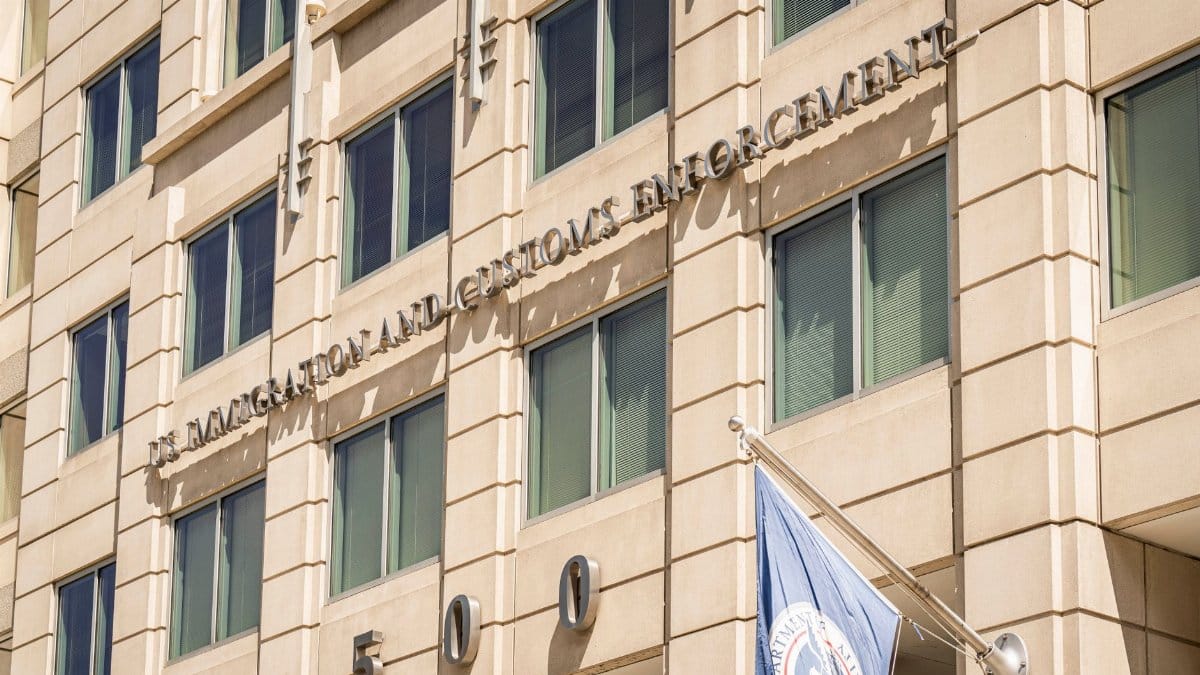
Broader patterns of enforcement near houses of worship have drawn scrutiny in recent years. Advocates say agencies sometimes treat religious sites as convenient locations for intelligence gathering. The Minneapolis case tests whether those approaches can persist once a judge has ruled against them.
Community Response and Daily Impact

Longtime members describe a shift in atmosphere during services. Some report hesitating to discuss personal matters openly, fearing that conversations could reach federal ears. Others have organized additional legal workshops to prepare families for possible encounters with agents. Attendance at certain events has fluctuated as word of the surveillance spread.
Arguments Presented by Federal Lawyers

Representatives for the Department of Homeland Security maintain that any continued presence served legitimate investigative goals unrelated to the injunction. They contend that public streets and parking areas fall outside the protected zone. The agency has not yet filed a full reply to the contempt motion.
Potential Outcomes and Precedent

If the judge agrees with the church, the ruling could require the agency to destroy collected data and pay legal costs. Such a decision might also influence similar disputes in other cities where religious groups have challenged monitoring. Legal scholars watch the proceedings for clues about how far protections around worship can extend.
Historical Parallels in Religious Liberty Cases
Earlier disputes involving houses of worship and federal agencies often centered on tax status or zoning. The current matter adds a layer of electronic and physical surveillance that previous generations did not face. Comparisons to civil rights era monitoring of churches appear in some legal briefs.
Next Steps in the Courtroom
A hearing date has not been set, though both sides expect proceedings to begin within months. The church has invited members to attend and has begun collecting additional statements. Federal attorneys continue to review internal records that could shape their defense.