
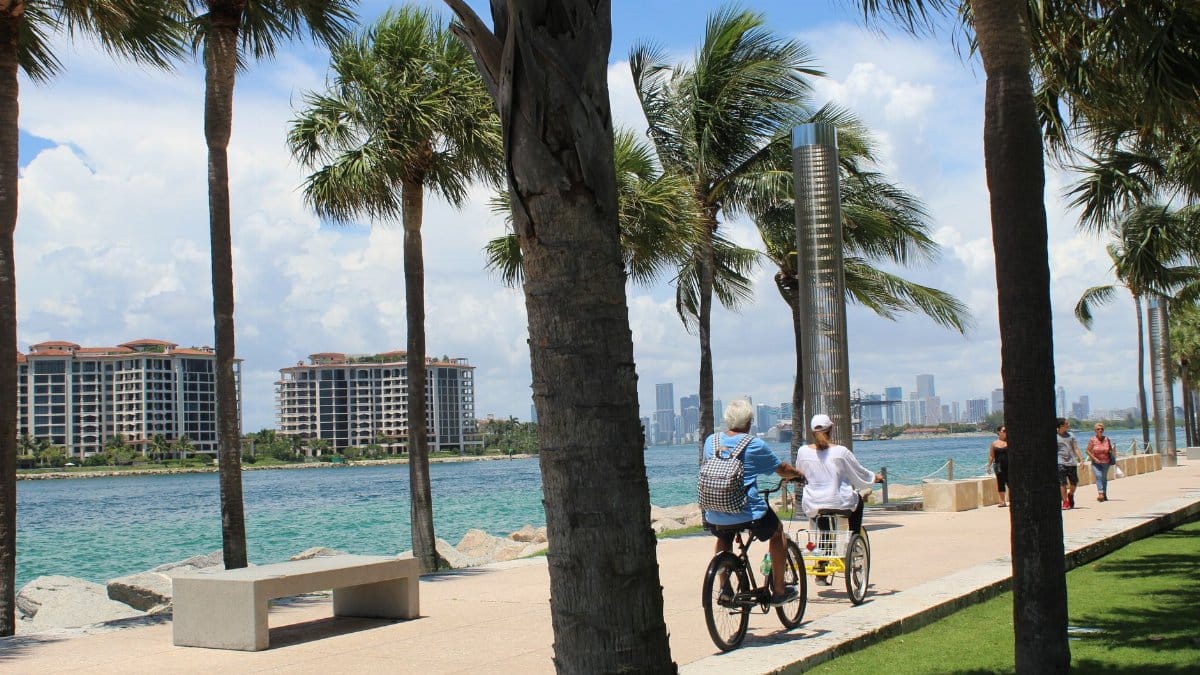
Residents across west Miami Dade have grown accustomed to announcements about future improvements that never seem to arrive. One such promise involves Ludlam Trail Miami, envisioned years ago as a continuous path linking neighborhoods for daily exercise and short trips without cars. Decades later the route remains largely on paper while public money flows out and expectations fade among those who once counted on it.
Early Plans for a Connected Path
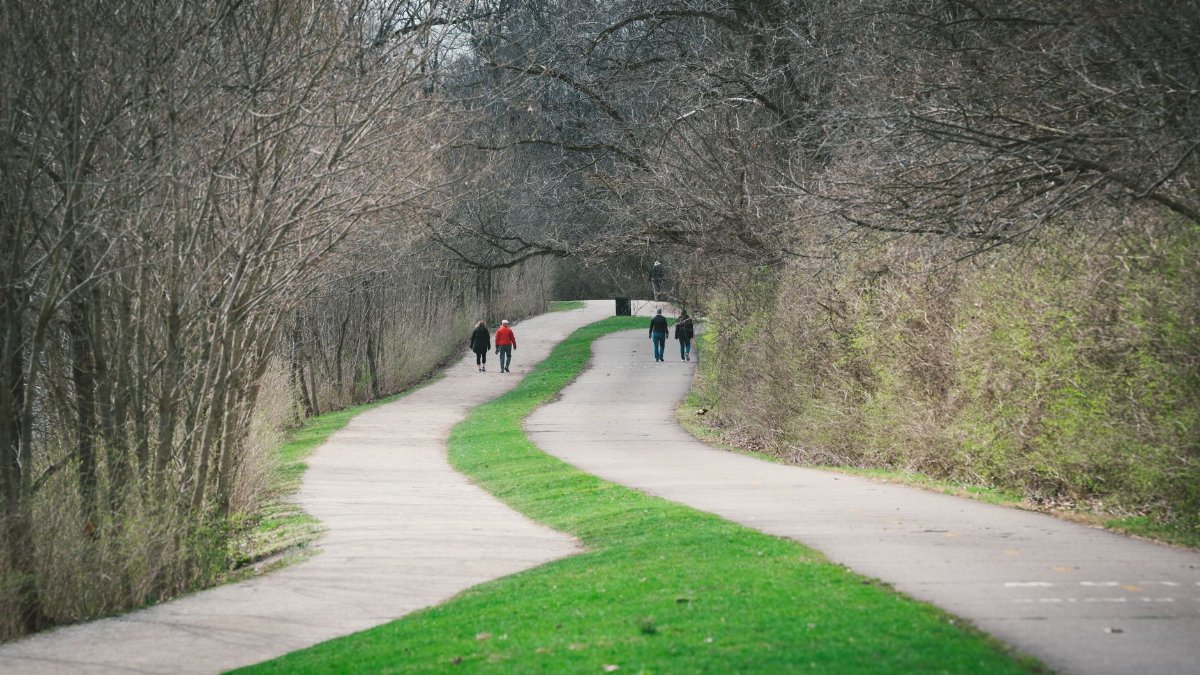
City and county leaders first sketched the trail concept in the nineteen nineties to address gaps in local mobility. The idea centered on converting an old rail corridor into a linear park that would let people walk or pedal safely between homes, shops and parks. Supporters argued it would reduce short car trips and offer a new outdoor amenity in a fast growing area.
Funding Secured Yet Progress Slow

Over time more than forty two million dollars reached project accounts through local and state sources. Officials described the money as seed funding for land work and engineering. Despite those resources no full design contract has been executed as of two thousand twenty six leaving the corridor untouched in many stretches.
State Agency Role in Bridge Work
The Florida Department of Transportation agreed to handle several bridge structures along the route. That commitment was meant to clear a major technical hurdle. Even so coordination between the state agency and county planners has not produced visible construction dates or completed segments.
Neighborhood Hopes Meet Repeated Delays
People living near the proposed alignment recall public meetings where maps were displayed and timelines discussed. Many expected the first paved sections within a few years. Instead each update pushed the schedule further while traffic on nearby streets continued to rise.
Comparing Similar Projects Elsewhere

Other Florida counties finished comparable rail to trail conversions in far less time. Those examples often relied on tighter project management and earlier contractor involvement. Local observers note that the same approach could have moved Ludlam Trail Miami forward rather than leaving it in planning limbo.
Impact on Daily Travel Patterns

Without the path many residents still drive for trips under two miles. The absence of a protected route adds to congestion at peak hours and limits options for families who want children to bike to school or nearby parks. Air quality and noise concerns remain unchanged as a result.
Cost Overruns and Unspent Balances

Audits have shown that portions of the original allocation sit unused while inflation raises future expenses. Planners cite changing regulations and extended reviews as reasons for the lag. Critics question whether the same funds could support smaller interim improvements until the full project advances.
Public Input and Shifting Priorities

Community workshops once drew steady crowds eager to shape details such as lighting, access points and landscaping. Attendance has dropped as skepticism grows. County staff still collect comments yet residents wonder whether those views will influence final choices after so many years.
Next Steps Officials Have Outlined

Recent presentations mention renewed efforts to hire a design team and finalize environmental reviews. A new round of state funding discussions is also underway. Observers will watch whether these measures finally produce signed agreements and ground breaking rather than another round of studies.