
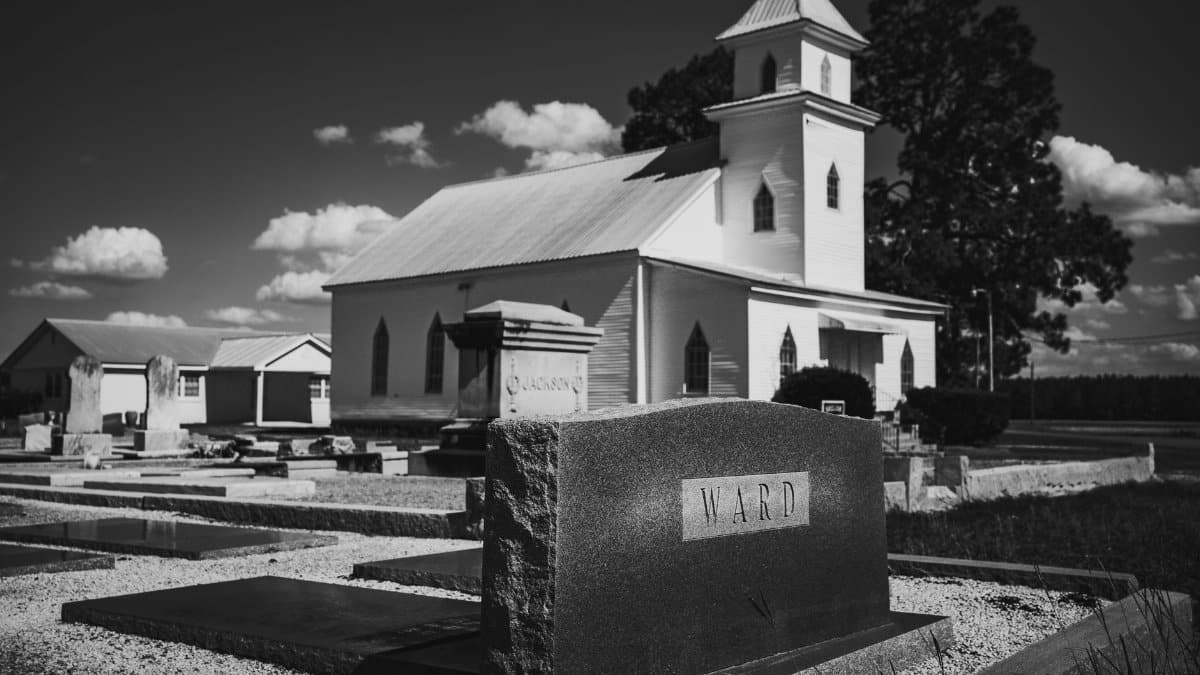
On a side road in Voorhees Township, a small church raised in 1855 still holds the shape of a meeting house, even as a real estate sign asks a question the original builders never imagined. Historic church for sale is the plain phrase attached to a building that local history ties to abolitionist gatherings and to at least one visit connected with Walt Whitman. The asking price is $455,000. For a structure that has outlasted congregations, road widenings, and the slow conversion of farmland into subdivisions, the number feels both modest and strange.
A listing that reads like a footnote to the county

The property is the former Glendale Methodist Episcopal Church, a Camden County landmark now offered to private buyers. The figure of $455,000 sits well below what a new house on a comparable lot might command in parts of South Jersey, and well above what a volunteer board can usually raise for roof work and insurance. That gap is the whole story of many old churches. They are too meaningful to ignore and too expensive to keep in the hands of a shrinking flock.
Neighbors who drive past may notice the steeple before they notice the sign. The building is not a cathedral. It is a wooden house of worship scaled to a rural crossroads, the kind of room where a town once counted its dead, its marriages, and its arguments. Selling it does not erase that record. It does change who gets to hold the keys.
What 1855 still looks like from the road
Churches of that decade in this part of New Jersey were built by people who expected the structure to serve a circuit rider as often as a settled pastor. The plan is simple: a rectangular sanctuary, tall windows meant to throw light onto a central aisle, and a modest tower that marks the building from a distance. Later generations added wiring, heat, and whatever patchwork the budget allowed. The bones remain those of a preindustrial meeting house, even if the surrounding traffic is entirely of this century.
Buyers who love old buildings often fall for the exterior first. The harder truth arrives indoors. Plaster moves. Floors slope. A sanctuary designed for hymn singing is a poor fit for a modern kitchen unless someone is willing to spend more than the purchase price on conversion. The listing can show photographs. It cannot show the winter heating bill.
Abolitionists and a room that was never only for Sunday
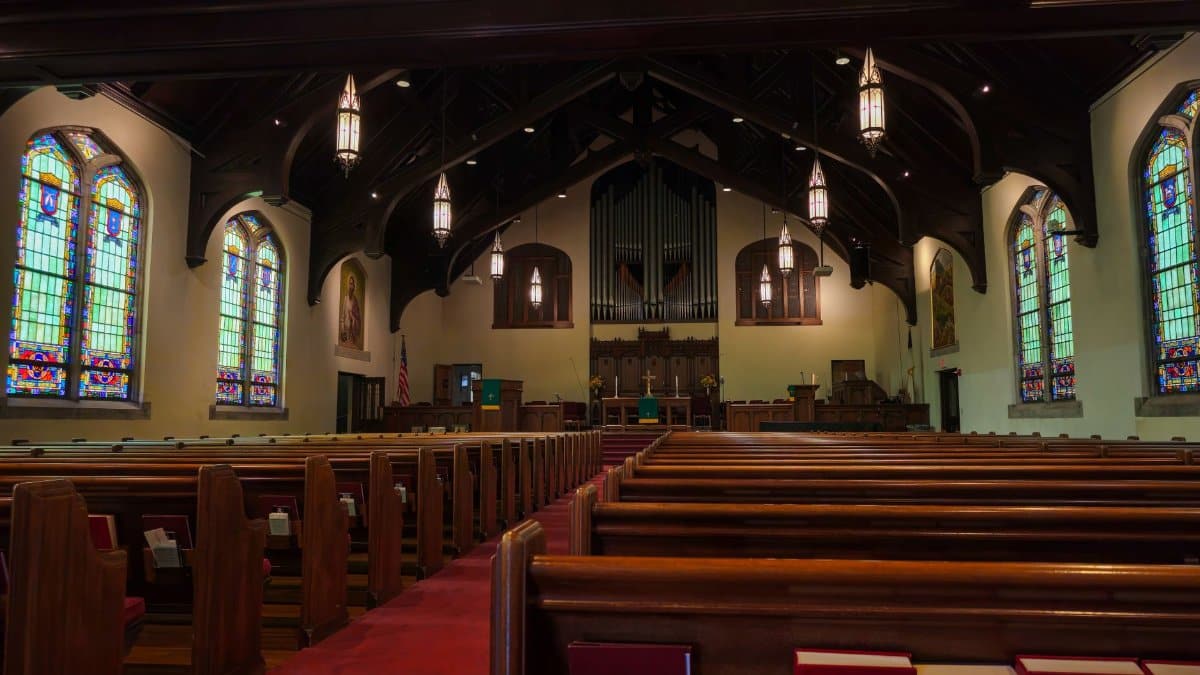
The church enters the public story not only as a place of worship but as a room used by people opposed to slavery. In the years before the Civil War, Methodist circuits in South Jersey included members who treated the sanctuary as a civic hall as well as a chapel. Abolitionist speakers needed roofs. Rural congregations sometimes offered them when town halls would not. Exact minutes from every meeting have not survived in a single neat archive, which is typical of buildings this old. What remains is a local tradition strong enough that the sale notice now carries it.
That tradition matters because it refuses a tidy version of church history. The same pews that held prayer also held political risk. People who sat there were not abstractions. They were farmers, craftsmen, and travelers arguing about a moral crisis that would soon become a national war. A buyer who treats the building as empty square footage will miss the point of why anyone outside Voorhees is paying attention.
Walt Whitman and the habit of showing up
Walt Whitman spent long stretches of his later life in Camden, crossing the river from Philadelphia and walking, talking, and sitting with whoever would have him. Local accounts connect him with this Glendale church, a claim that has traveled with the building into the present listing. Whitman was not a Methodist in any formal sense. He was a listener, a note taker, and a man drawn to ordinary American speech, including the speech of pulpits.
Whether he stood in the aisle for one evening or returned more than once, the association is not a marketing trick invented last month. It belongs to the way Camden County remembers him: not only in a house museum but in rooms where working people gathered. A poet of ferries and hospital wards fits a plain church better than he fits a monument. The sale puts that memory on the market along with the lot.
Camden County and the quiet loss of old rooms
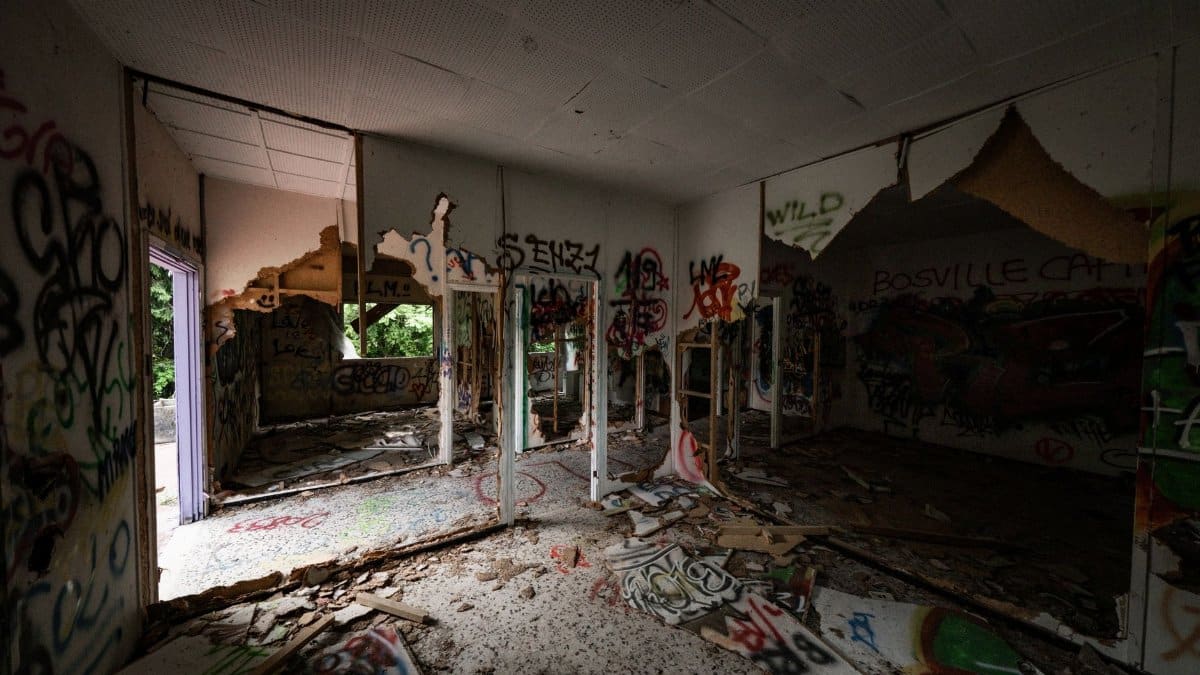
Across the county, nineteenth century buildings disappear in pieces. A farmhouse becomes a teardown. A school becomes a parking field. Churches last longer than most because sentiment and zoning slow the wrecking ball. They do not last forever. When a congregation can no longer pay for a roof, the choice is often between a buyer and a vacant shell. Vacant shells invite weather, then vandalism, then a demolition permit that feels inevitable.
Voorhees has grown into a township of shopping corridors, office parks, and residential tracts. The old Glendale corner is a reminder that this landscape was once a scatter of villages with names that still appear on church signs and cemetery stones. Keeping one building does not freeze the township in 1855. It does keep a physical argument against the idea that nothing here predates the mall.
Why the price can look like a bargain and a warning

Four hundred fifty five thousand dollars will strike some readers as low for a historic property with a famous literary shadow. It will strike others as high for a building that may not legally or practically become a four bedroom house without months of approvals. Both reactions are reasonable. Sacred structures carry use restrictions, parking limits, and neighbors who will object if a buyer tries to erase the steeple. Lenders can be wary. Insurers price age and wood frame construction without romance.
Anyone circling the listing should budget for a structural inspection, an environmental review of old paint and heating systems, and a conversation with the township about what the zoning actually allows. The romance of Whitman does not waive a building code. A historic church for sale is still a building, and buildings fail in ordinary ways: water at the eaves, rot at the sills, a furnace that has already given its last useful winter.
Who shows up when a sanctuary is for sale

The likely buyers are not a single type. A small congregation priced out of newer space may see a ready made worship room. A preservation buyer may want a house that keeps the exterior and reworks the interior with extreme care. A developer may see land value and a demolition clock. Each path produces a different town. The first keeps Sunday traffic and a sign with a denomination. The second keeps the silhouette and changes the use. The third keeps neither.
Public agencies rarely have the cash to step in at this price for a single rural church, especially when schools and roads already consume the budget. Nonprofit trusts can help with easements, but easements require an owner willing to accept limits on future alteration. The market, for better or worse, is currently the mechanism deciding the fate of the room.
Faith after the last hymn
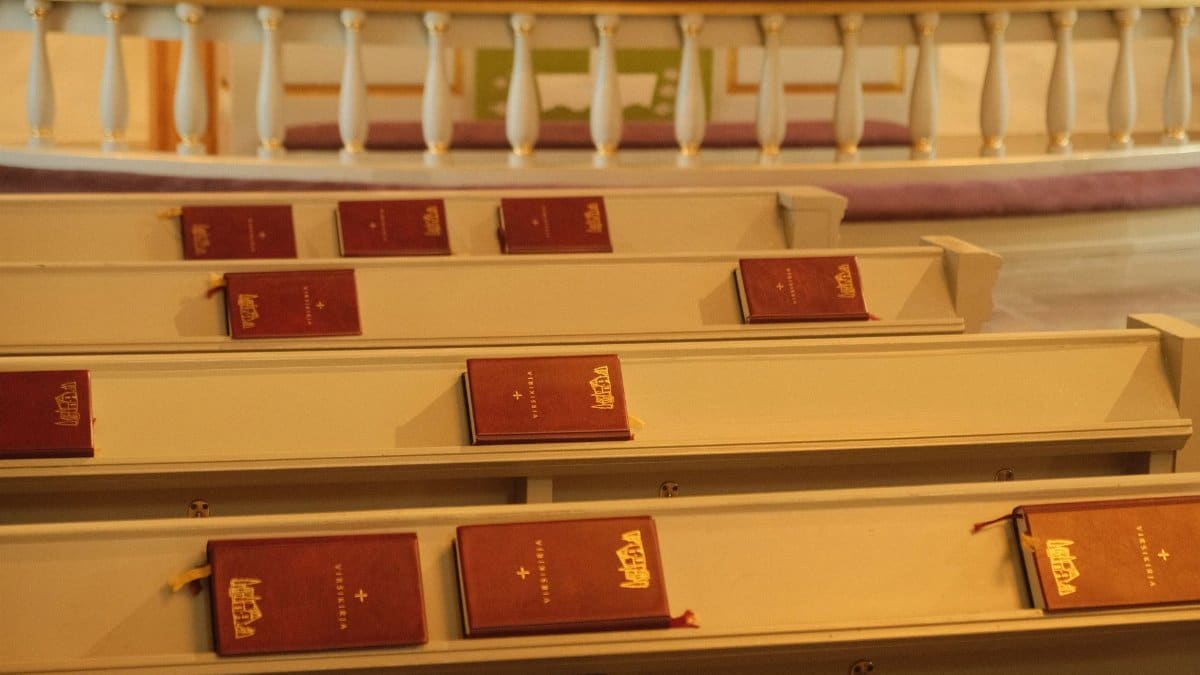
Methodist history in this region is a history of circuits, mergers, and buildings that outlast the people who filled them. When attendance falls, a church does not stop being sacred to those who were married there or who buried a parent in the adjoining ground. It does stop being sustainable. Selling can feel like betrayal to older members and like relief to a board that has spent years passing the same repair motion.
Spiritual use and private ownership are not always opposites. Some sold churches remain chapels for weddings. Others become homes, studios, or community halls with a cross still cut into the gable. The respectful conversions are the ones that admit what the room was. The careless ones sand the history off the walls and call the result square footage.
What a careful buyer would actually inherit
Beyond the deed, a buyer inherits a public story. Reporters will ask about Whitman. Neighbors will ask about the cemetery if one is attached or nearby, and about whether funerals can still reach the stones. Historians will ask whether interior woodwork, pews, and any surviving organ pipes stay or leave. None of those questions appear as line items on a settlement sheet. All of them arrive anyway.
There is also a practical inheritance: accessibility that may not meet current expectations, a single bathroom where a household needs two, and acoustics designed for a choir rather than a television. Charm and inconvenience share the same footprint. People who have restored similar buildings describe the first year as a negotiation with the past, not a victory over it.
Memory is not the same as a museum
It is tempting to argue that every church linked to abolitionists and to Whitman should pass into public hands and open on weekends with a docent at the door. That argument respects the history and ignores the arithmetic. Camden County cannot operate a house museum on every lane that hosted a notable visitor. A private owner who maintains the exterior, documents the interior, and allows occasional public access may do more for memory than a vacant building waiting for a grant that never comes.
I have walked enough of these sales to know the disappointment when a steeple comes down, and the different disappointment when a building is saved but sealed, a private relic no one else can enter. Neither outcome is pure. The better ones leave some trace that a stranger can still read from the sidewalk.
The sign, the price, and the next name on the deed
For now the church stands, listed, photographed, and priced. Historic church for sale will keep circulating in headlines because the names attached to it are larger than Voorhees, even though the building itself is local and plain. Abolitionist meetings and a Whitman connection do not raise the roof or pay the tax bill. They do raise the stakes of an ordinary real estate transaction.
Someone will eventually sign. That person will decide whether the 1855 frame remains a place people can recognize, or becomes a lot with a newer roof and a shorter memory. The county has watched this choice before. It will watch it again. This time the asking number is $455,000, and the room behind the number once held arguments about freedom and, by local telling, the restless attention of a great American poet. That is a heavy parcel for any buyer, and a poor one to treat lightly.