
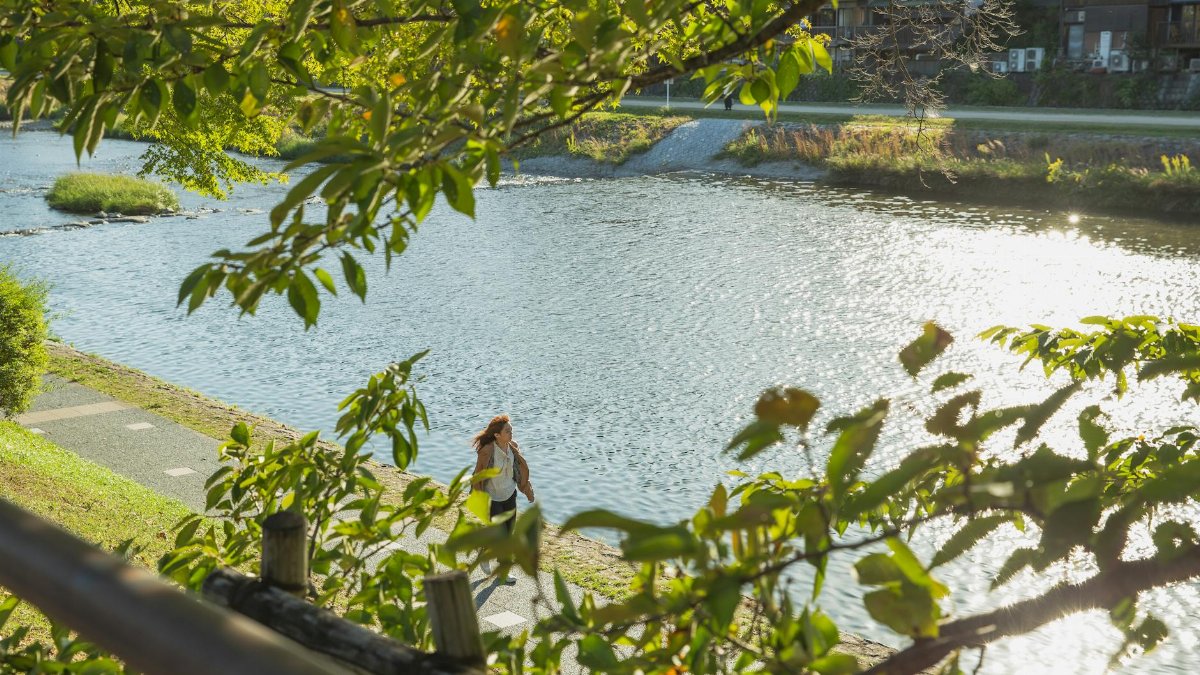
In the heart of a bustling metropolis the daily commute can feel like an exercise in endurance. Sirens wail and pedestrians hurry past one another with little acknowledgment. For many in their middle years this constant motion leaves scant room for reflection or peace. Yet there exists a way to reclaim these moments. The walking meditation city practice is emerging as a powerful tool for those seeking calm without escaping to the countryside. It encourages participants to engage fully with their surroundings using each step as an anchor for awareness. Rather than viewing the urban environment as a hindrance this approach reveals it as a rich tapestry of sensations and sights. This method draws from ancient traditions but tailors them to the unique challenges and opportunities of city living. Practitioners learn to notice the small details that typically blur past during a rushed walk: the texture of the pavement underfoot the play of light and shadow on buildings or the brief smile of a stranger. By doing so they cultivate a sense of presence that can transform an ordinary errand into a refreshing pause. As interest in mindfulness grows so too does the appeal of integrating it into everyday activities. Walking meditation city offers a practical entry point for busy individuals who struggle to sit still for traditional sessions.
Tracing The Roots Of This Urban Practice

Walking meditation traces its origins to Buddhist traditions where mindful movement has long served as a complement to seated practice. Teachers such as Thich Nhat Hanh brought these techniques to Western audiences emphasizing that meditation need not be confined to cushions or quiet rooms. In recent decades the concept has evolved to meet people where they are literally and figuratively. City streets noisy parks and even bustling downtown corridors have become unlikely settings for contemplation. What began in monasteries now flourishes in metropolitan areas where time feels especially precious. This adaptation acknowledges that for many middle aged adults the luxury of extended retreats simply does not exist. Instead brief moments of intentional walking can provide similar benefits. The walking meditation city approach honors these constraints while opening new possibilities for awareness amid the very environments that often provoke stress.
Historians of contemplative practices note that humans have walked with intention across cultures for centuries whether in labyrinths or pilgrimage routes. The modern version strips away religious specificity making it accessible to a broad audience. Journalists and researchers alike have documented its spread through apps community groups and workplace wellness programs. What unites these expressions is the fundamental belief that movement paired with presence can quiet the mind and awaken the senses.
Essential Elements Of Effective Walking Meditation
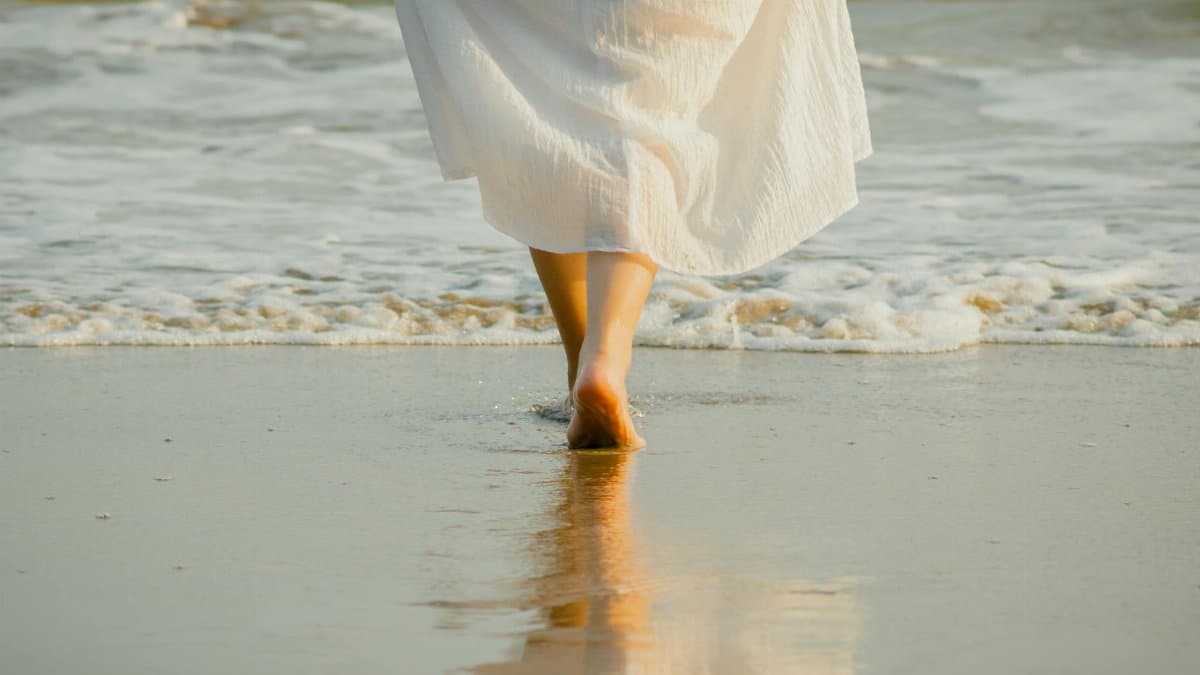
At its core this practice rests on simple yet profound shifts in attention. One begins by standing still long enough to feel the connection between feet and earth. Breath serves as a gentle guide while the body relaxes into an upright posture that feels sustainable. The walk itself unfolds at a slower pace than typical city striding allowing awareness to settle on the sensations of lifting moving and placing each foot. Thoughts will arise as they always do yet the practitioner learns to note them without judgment and return to the physical experience. Sensory input becomes an ally rather than a distraction. The sound of traffic the scent of rain on concrete or the sight of clouds drifting between buildings all transform into objects of gentle curiosity. Over time these elements combine to create a portable form of meditation that fits into lunch breaks or evening strolls.
Unlike more rigid techniques this practice invites flexibility. Some focus primarily on foot sensations while others open their attention to the surrounding world. The key lies in maintaining a spirit of exploration rather than striving for some perfect state of calm. Regular engagement gradually builds the muscle of attention much like physical exercise strengthens the body.
The Science Supporting Mindful Movement In Cities

Research increasingly validates what practitioners have long reported. A 2019 study from the University of Illinois at Urbana Champaign found that mindful walking in urban green spaces reduced cortisol levels more effectively than regular walking. Similar findings appear in publications from the American Psychological Association which link brief mindfulness practices to improved focus and emotional regulation. These benefits prove especially relevant for middle aged adults navigating career demands family responsibilities and emerging health concerns. Neuroimaging studies show that consistent mindfulness strengthens areas of the brain associated with self awareness and compassion while quieting the default mode network often linked to rumination.
Urban specific research adds another layer. A project documented at https://www.ncbi.nlm.nih.gov/pmc/articles/PMC6567989/ demonstrated that even short periods of sensory awareness during city walks can mitigate the mental fatigue caused by constant stimuli. The data suggests that far from being overwhelming the city can become a training ground for resilience when approached with intention. These findings have encouraged wellness directors at major corporations to incorporate guided urban walks into employee programs with measurable improvements in reported wellbeing.
Preparing Mentally And Physically For The Experience

Successful walking meditation begins before the first step. Choosing a route matters less than setting a clear intention. Many begin with a simple reminder that this time is devoted to presence rather than productivity. Comfortable clothing and supportive shoes prevent physical distractions while a relaxed jaw and soft gaze help the entire system settle. For those new to the practice starting in a less crowded area such as an early morning neighborhood street can ease the transition. The mental preparation involves granting permission to move slowly without apology a radical act in fast paced environments. Middle aged practitioners often describe an initial resistance rooted in long habits of efficiency yet this very resistance becomes part of the teaching. By noticing the impulse to hurry without obeying it one gains insight into deeper patterns of mind. A few minutes of standing awareness before walking helps anchor attention and creates a clear transition from ordinary mode to meditative mode.
A Guided Session To Discover City Beauty
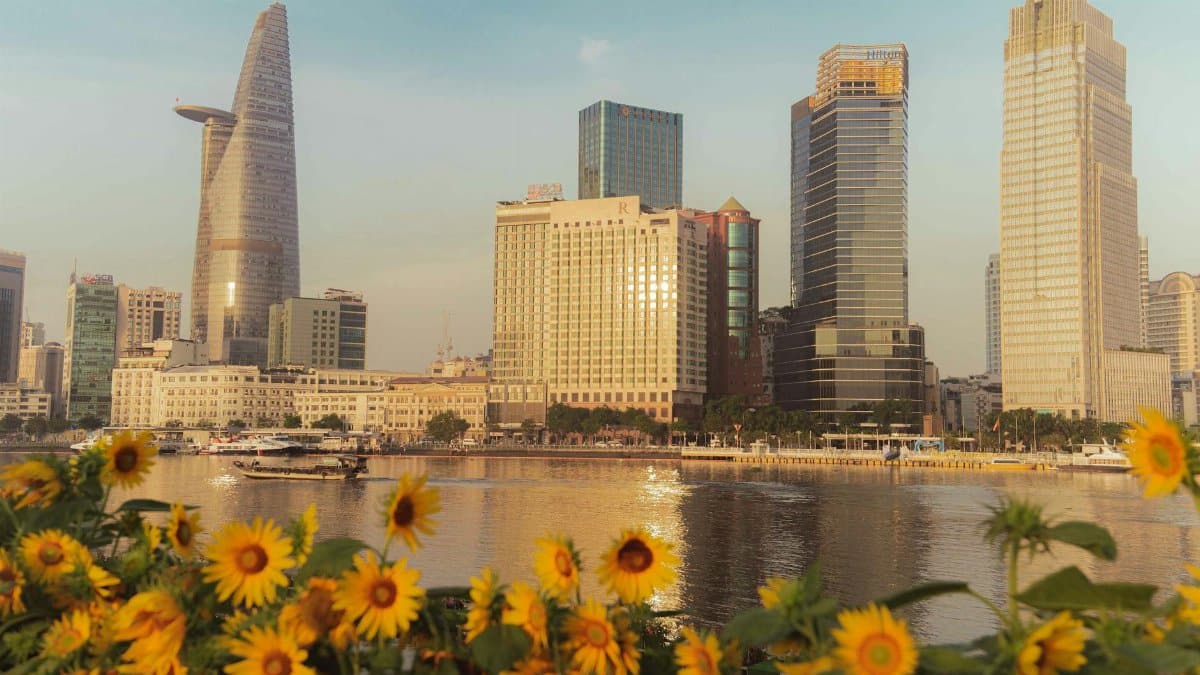
The 12 minute guided walking meditation featured by Mindful.org offers a practical template for noticing beauty even in densely built environments. It invites participants to begin in a comfortable standing position feeling the weight distributed through the feet and legs. As movement starts the guidance draws attention to the rhythm of steps while encouraging a soft awareness of the surrounding landscape. Listeners are prompted to notice colors textures and shifting light patterns that often go unregistered during hurried travel. The meditation expands to include sounds without needing to name or analyze them. A key segment focuses specifically on seeking beauty: the unexpected purple of a small flower pushing through pavement cracks the elegant geometry of fire escapes or the warmth of morning light reflecting off windows. Throughout the session gentle reminders bring attention back whenever it drifts. The practice concludes with a moment of gratitude for the city itself and for the willingness to see it anew. The full guidance is available at https://www.mindful.org/12-minute-meditation-a-guided-walking-meditation-to-notice-the-beauty-around-us-even-in-the-city/.
This structured approach proves especially valuable because it models how to transform passive transit into active appreciation. Many who follow it report that ordinary routes suddenly reveal details they had passed hundreds of times before.
Real World Experiences From Dedicated Practitioners

Those who embrace walking meditation city often describe profound shifts in perspective. A 52 year old architect in Chicago began the practice during a particularly stressful project deadline. What started as five minute experiments on his way to the office gradually lengthened as he discovered genuine restoration in the process. He now credits the technique with preventing burnout and deepening his creative vision. Similarly a teacher in her late forties from Philadelphia found that walking meditation helped her process difficult emotions after challenging school days. Rather than carrying tension home she releases it into the rhythm of her steps while noticing small beauties along her route: a community garden a particularly graceful tree or the laughter of children playing.
These accounts echo across cities. Professionals report better sleep improved relationships and a renewed sense of vitality. The practice seems to foster a quiet confidence that challenges can be met with presence rather than reactivity. While individual experiences vary a common theme emerges: the city stops feeling like an adversary and starts feeling like a partner in the cultivation of awareness.
Addressing The Obstacles Unique To Metropolitan Areas
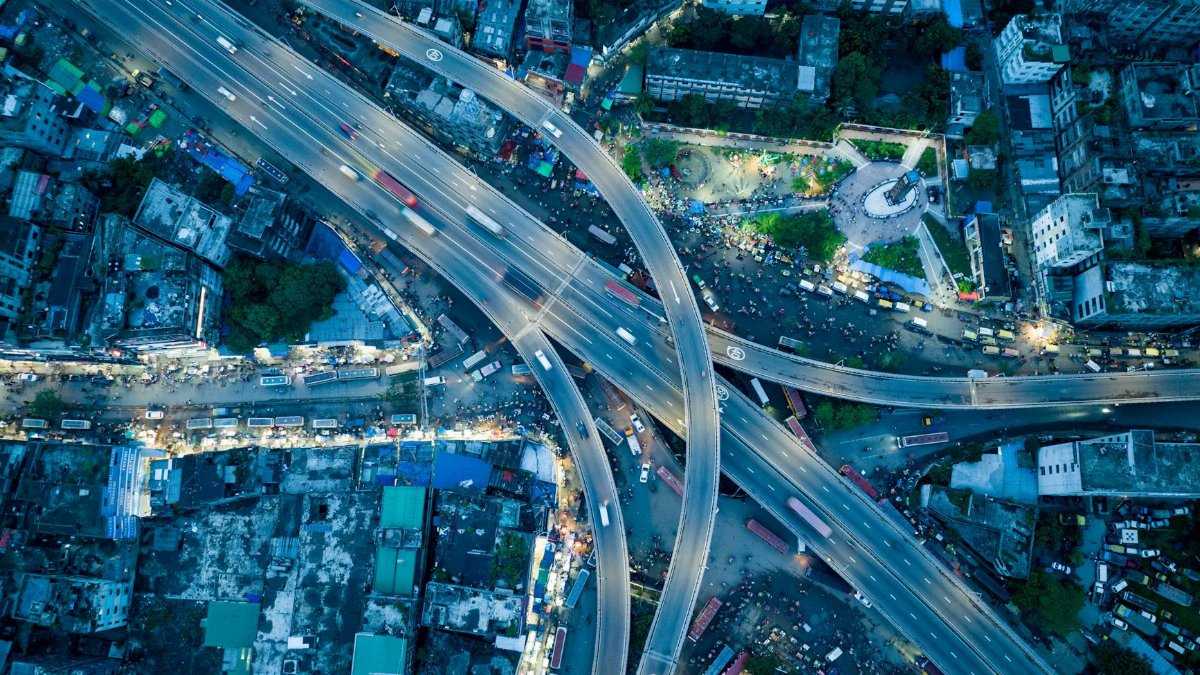
City walking meditation naturally presents challenges. Noise crowds and safety considerations cannot be ignored. Practitioners learn to adapt by choosing routes and times that balance accessibility with relative calm. Some use noise canceling headphones with guided audio during initial sessions while others prefer the raw sensory experience of the street. The mental habit of constant planning poses another hurdle. Minds accustomed to making lists and solving problems often rebel against simple presence. Here the practice itself becomes the teacher. Each return from distraction strengthens the capacity for gentle redirection. Weather unpredictability and tight schedules add further complications yet creative adaptations abound. Some integrate the practice into existing dog walks or trips to the corner store. The willingness to work with rather than against these obstacles lies at the heart of the walking meditation city approach. Over time many discover that the very elements once viewed as barriers become rich material for practice.
Cultivating An Eye For Overlooked Urban Wonders

At the center of this method lies a deliberate search for beauty. Cities contain countless examples if one develops the habit of looking. The way steam rises from manholes on cold mornings the intricate ironwork on old buildings or the determined growth of moss between bricks all qualify. This cultivation of appreciation carries benefits that extend beyond the walk itself. Research on awe suggests that regular experiences of wonder improve sense of connection and generosity while reducing self absorption. For middle aged individuals who may feel caught between aging parents and growing children this perspective shift offers particular value. Noticing beauty interrupts habitual worry and reminds one of the larger world. The practice does not require dramatic scenery. A single flower in a window box or the elegant curve of a bridge can suffice when met with open attention. Gradually this way of seeing begins to permeate other areas of life fostering resilience and simple joy.
Making The Practice A Regular Part Of Life

Consistency matters more than duration. Many begin with short segments of two or three minutes and allow the practice to grow naturally. Linking the meditation to existing habits such as walking to the train or taking an evening constitutional increases the likelihood of follow through. Some keep simple journals noting one beautiful thing observed each day which reinforces the neural pathways of appreciation. Community support helps as well. Several cities now host group silent walks or mindfulness meetups that combine social connection with individual practice. Technology can serve as ally or distraction depending on its use. Applications that offer periodic reminders or guided segments prove useful for some while others prefer complete disconnection. The central principle remains returning to direct experience rather than virtual representation. Those who maintain the practice for six months or more frequently describe it as essential rather than optional a reliable refuge available in any location.
Insights From Leading Voices In Mindfulness

Teachers across traditions endorse urban walking meditation as both accessible and transformative. They emphasize that the goal is not to achieve permanent bliss but to meet each moment with greater friendliness and curiosity. This pragmatic approach resonates with busy adults who seek tools rather than transcendence. Experts also caution against spiritual bypassing noting that mindfulness should complement not replace necessary systemic changes in urban design and policy. The most effective teachers model humility acknowledging that even seasoned practitioners lose attention repeatedly. Their guidance focuses on self compassion as the foundation that makes sustained practice possible. According to contributors at leading mindfulness organizations the walking meditation city model represents an important evolution bringing ancient wisdom into contemporary contexts where it is most needed.
Envisioning A More Present Urban Future
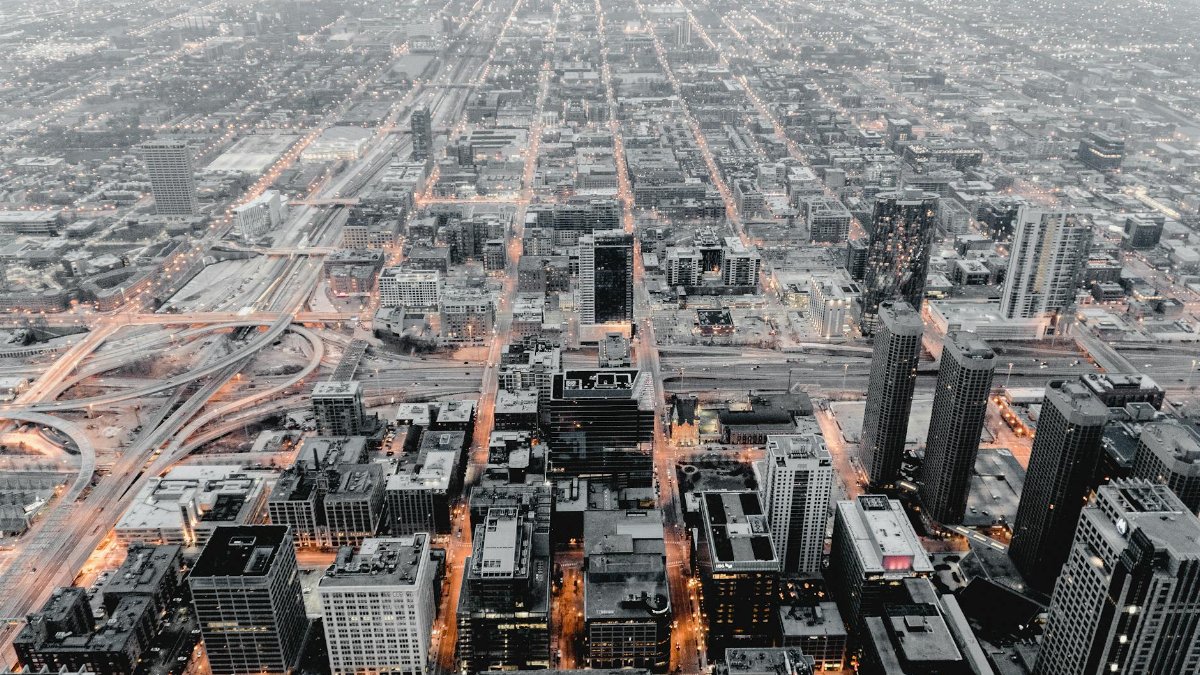
Widespread adoption of walking meditation could subtly reshape city culture. Imagine neighborhoods where slower mindful movement becomes normalized rather than exceptional. Public spaces might evolve to support such practices with more benches thoughtful landscaping and areas designed for contemplation. For middle aged residents who form the backbone of many urban communities these shifts could improve collective wellbeing and social cohesion. The practice ultimately points toward a different relationship with time and place one that values depth over speed and connection over convenience. While no single technique can solve all urban challenges this humble method offers a starting point available to anyone with the willingness to slow down and look carefully. In noticing the beauty around us we simultaneously discover it within ourselves regardless of postal code or pace of life.