

On a raw October morning, commuters in Arlington still walk to buses that crawl toward Alewife, the last stop on a subway that ends just short of their town. For decades that ending felt settled, a choice made and then lived with. Now state lawmakers have put money toward an Arlington Red Line extension study, asking whether a line the town once turned away should be drawn again on a map that no longer matches the place.
A refusal that still shapes the map

In the 1970s, when the Massachusetts Bay Transportation Authority was pushing heavy rail farther from downtown Boston, Arlington was not a blank canvas waiting for tracks. It was a town with a clear sense of itself: quieter streets, single family houses, a fear that a subway station would import the density and disruption of the urban core. Residents and local officials rejected an extension. The Red Line stopped at Alewife, in neighboring Cambridge, and the decision hardened into infrastructure. A garage rose. Buses filled the gap. Generations learned the ritual of transferring, waiting, and calculating whether the trip was worth the time.
That history is not a footnote. It is the reason any new look at the corridor has to begin with memory as well as engineering. People who opposed the project then were not inventing a threat out of nothing. Large transit projects remake land values, traffic patterns, and the feel of a main street. The refusal was a political act with physical consequences, and those consequences are what riders feel every weekday.
Why the argument sounds different now

Arlington is not the same municipality that said no. The town has grown more crowded, more expensive, and more tied to jobs that sit along the existing subway. Households that once assumed a car for every adult now include renters, older residents who drive less, and younger workers whose budgets cannot absorb both housing and a second vehicle. Bus routes that were meant as a compromise have become the main path, and those buses sit in the same congestion they were supposed to relieve.
Demographic change does not automatically justify a tunnel or an elevated structure. It does change who bears the cost of the old decision. The people waiting in the cold are not an abstract future. They are nurses finishing a shift, students heading to class, and parents trying to make a connection that the schedule only sometimes allows. When lawmakers fund a fresh look, they are responding to that lived mismatch between a 1970s verdict and a 2020s town.
What the new money actually buys

A feasibility effort is not a groundbreaking. It is a structured way to ask whether an idea survives contact with geology, cost, ridership, and politics. The Arlington Red Line extension study is meant to test routes, station locations, construction methods, and the rough scale of public money required. It should also test what happens if the region does nothing beyond patching bus service.
Readers should keep the limits in view. Studies can clarify choices. They cannot force a town meeting, a bond vote, or a construction schedule. They can, however, replace rumor with a shared set of numbers. Without that shared set, debate tends to swing between nostalgia and fantasy: either the past refusal is treated as sacred, or a new line is treated as a cure for every delay on Massachusetts Avenue.
The commute that filled the absence
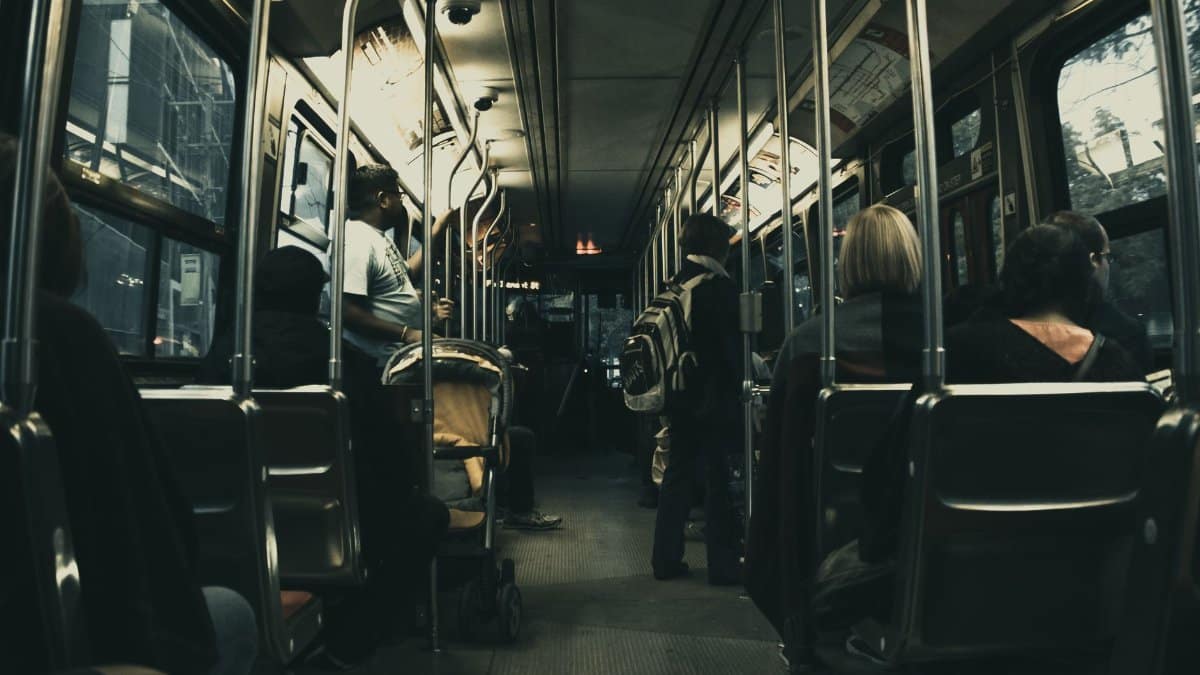
Stand at Alewife at the peak of the morning and the absence of Arlington on the map is visible in the parking decks and the lines of buses. Riders from the town and from points farther north funnel into a station that was never designed as a permanent regional terminus in quite this way. Some drive. Some bike. Some transfer from local routes that stop short of frequent, reliable service.
The inconvenience is not only lost minutes. It is the way a missing station shapes where people can live without owning a car, which jobs they can accept, and whether an evening event in Boston is a simple ride or a logistical puzzle. Transit planners talk about access. Residents talk about whether they can get home before a sitter has to leave. Both descriptions point at the same gap.
Housing, prices, and the fear of a station
Any serious extension talk in greater Boston collides with housing. A station can lift nearby property values. It can also, if zoning allows, support apartments that a town has historically limited. Arlington has spent years arguing over how much new housing it will accept and where. A subway stop would intensify that argument rather than settle it.
Opponents of rail often worry that a station is a Trojan horse for towers. Supporters worry that without rail, the town will keep exporting its workers onto crowded roads while importing little of the access that denser places enjoy. Neither fear is foolish. The honest version of the debate admits that land use rules, not the tracks alone, decide whether a station produces homes ordinary earners can afford or simply a more expensive version of the same streets.
Neighbors who remember saying no

I have listened, in other towns, to people who treat an old vote as a promise the region is now trying to break. That instinct deserves a hearing. Trust erodes when agencies return every decade with a glossier rendering of a project residents thought they had buried. If officials want a different answer this time, they owe a plain account of what changed: population, job locations, climate goals, bus performance, and the cost of congestion that no longer stays on the highway.
They also owe precision. A study that buries disruption in appendices will confirm the old suspicion. Construction years, property takings, noise, and the loss of trees or parking are not details to be managed after the headline. They are the substance of consent. Arlington earned its skepticism in public. It should not be asked to surrender it for a slogan about progress.
Engineering is the easy part to imagine

On paper, extending a line looks like a matter of alignment and station boxes. In the ground, it is utilities, wetlands, a narrow commercial spine, and buildings that were not set back for a subway. Planners will have to say whether any extension would run in a tunnel, along an existing corridor, or in some mix that tries to limit the scar. Each choice trades money for disruption in a different proportion.
Riders sometimes assume the hard question is whether trains can physically reach the town. Trains can reach almost anywhere if the public is willing to pay and to endure the work. The harder question is whether the benefit, measured in reliable trips and regional access, outweighs years of street closures and a price tag that will compete with signals, buses, and stations elsewhere in the system that are already failing.
Buses as the standing alternative
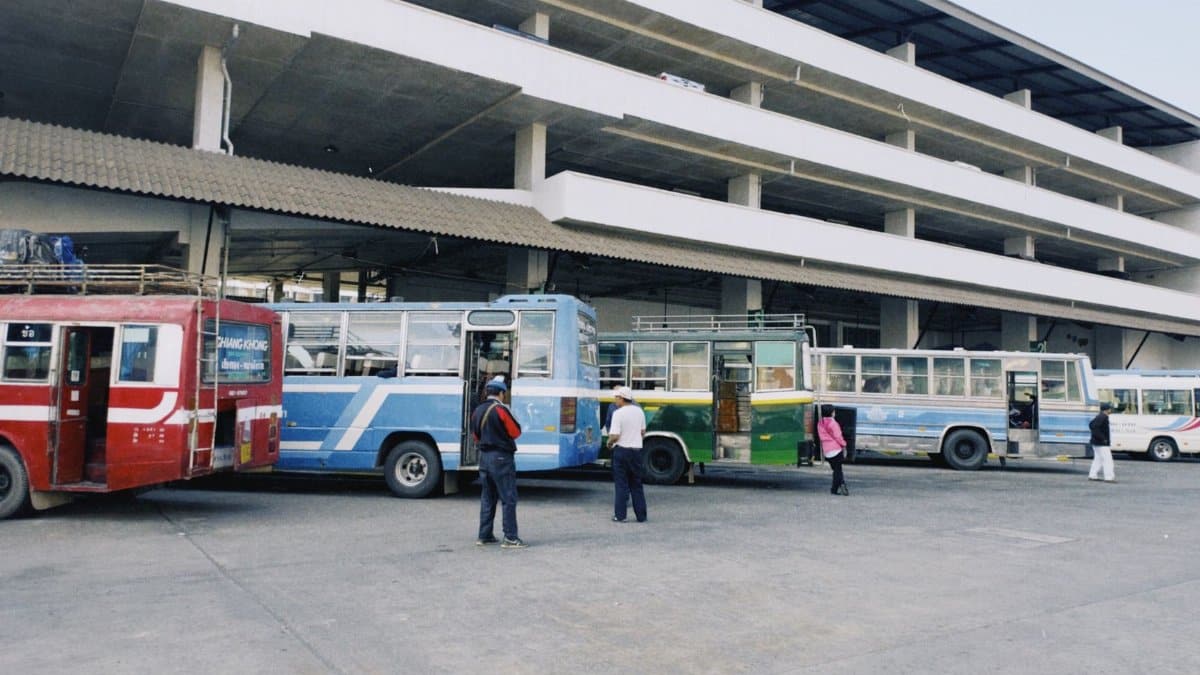
Before anyone treats rail as inevitable, the bus network deserves a full accounting. Dedicated lanes, more frequent service, and better transfers at Alewife could move thousands of people without a new tunnel. Those tools are cheaper and faster to deploy. They are also fragile. A lane that exists only as paint returns to mixed traffic the moment enforcement fades. A study that ignores a serious bus alternative is not a study. It is a preface to a preferred project.
At the same time, buses have limits on a corridor this congested. If the Arlington Red Line extension study finds that even a well run bus plan leaves large travel time gaps to jobs in Cambridge, downtown Boston, and along the existing Red Line, that finding should be stated without embarrassment. Mode choice is not a moral ranking. It is a match between geography and the reliability people can count on.
Climate goals meet a local vote

State policy now treats fewer car trips as part of meeting emissions targets. That framing can sound distant in a town meeting where the immediate subjects are parking and construction dust. The connection is still real. Every household that can reach work, school, and errands without a daily drive removes a small stream of exhaust and a claim on road space. Multiplied across a suburb that sits this close to a rapid transit trunk, the stream is no longer small.
Climate language should not be used to skip local consent. It should be used to explain why the commonwealth is willing to pay for analysis now, after leaving the gap in place for half a century. A town can still decide that the local burdens are too high. The region can still decide that the money belongs on a different line. What neither should do is pretend the status quo is neutral. The status quo is a choice that already emits, delays, and excludes.
Who speaks for riders who do not live here

An extension is not only an Arlington question. People north and west of the town use the same roads and the same Alewife funnel. Employers in Cambridge hire from those towns. A station or two inside Arlington could shorten trips that begin far outside its borders. That regional stake creates a tension familiar in Massachusetts: the people who endure construction may not be the only people who gain the ride.
Fair process means Arlington residents hold a strong voice, not a solitary veto disguised as technical review, and not a rubber stamp disguised as regional need. The study period is the moment to invite riders from connecting routes into the room before alignments harden. If those voices arrive only at a final hearing, the project will look like something done to a town rather than with it.
Money, sequencing, and a crowded capital list

The MBTA is not a system with idle billions. Signals, tracks, stations, and a workforce under strain already claim the capital plan. Adding a suburban extension means naming what waits longer. That honesty is uncomfortable and necessary. A feasibility document that lists benefits without a place in the queue is a brochure.
Lawmakers who funded the work have started a clock of expectations. Residents will ask when they will see options, costs, and a recommendation that is allowed to be no. A recommendation of no, if the numbers fail, would not waste the appropriation. It would save a larger fight. A recommendation of yes would begin a harder passage through design, environmental review, and funding that this first study cannot promise.
What changed is not only the census
Population counts matter, but so does the culture of getting around. More people in the region treat a transit trip as normal rather than as a fallback. More employers judge a location by whether staff can arrive without a parking search. More families are doing the math on car insurance, fuel, and time, and finding that math less forgiving than it was when the town last voted the line away.
Those shifts do not erase attachment to quiet blocks and local control. They do mean the old bargain, buses plus a highway commute plus a terminal garage in the next city, is under more strain than its designers expected. The Arlington Red Line extension study exists because that bargain is fraying in public.
A narrower promise than a rendering

The healthiest outcome of this phase is not a victory lap for either camp. It is a document clear enough that a skeptical reader can follow the assumptions. Where would a station sit. Whom would it serve within a short walk. How many years of street impact are plausible. What bus investment would be required if rail is rejected. What happens to Alewife if some of its bus load moves onto trains.
If those answers are plain, the town and the state can argue about values instead of about missing facts. Values are the right subject. Arlington once chose a future without the Red Line. It is allowed to choose that future again. It is also allowed to decide that the future it chose no longer fits the people who live there.
The decision still belongs to people, not to maps

Maps make extensions look clean. Governance does not. Select boards, town meetings, legislators, and agency boards will all touch whatever follows this research, and they will not move at the speed of a rendering. That slowness is frustrating for riders who already know the shape of their delay. It is also the only way a project of this scale stays legitimate in a place that remembers being asked before.
For now the concrete fact is modest. Money is in hand for analysis, not for rails. The Arlington Red Line extension study will not, by itself, move a single train past Alewife. It can move the argument out of inherited certainty and into a comparison the present town can recognize. After fifty years of living with a stop that never came, that comparison is the least the public is owed, and the most this moment can honestly claim.