

On a gray morning in Southwest Philadelphia, a wide stretch of city owned ground sits quiet beside rail lines and warehouse roofs. Neighbors know the parcel as empty land the city has held for years. City Hall now knows it as the site of a proposed lease that would hand 21 acres to a building trades union for a dollar a year, so the union can raise an apprenticeship training yard. The Philly union land deal has already become a test of how this city treats public property when a powerful labor ally comes asking.
A price that sounds like a gift

A dollar a year is not a market rent. It is a political price. Philadelphia has used nominal leases before, for gardens, recreation partners, and institutions the city wants to keep in place. Those deals can be defensible when the public gets something it could not easily buy. They become harder to defend when the tenant is a private organization with its own members, its own politics, and its own balance sheet.
The reported plan would let a building trades union, identified in Philadelphia Inquirer coverage as tied to the operating engineers, occupy city land in Southwest Philadelphia and build a training facility for apprentices. Mayor Cherelle Parker and Council President Kenyatta Johnson are the names attached to the politics of the moment. The land itself remains public in name if the city leases rather than sells. Control, for practical purposes, would shift for as long as the lease runs.
What the operating engineers actually do
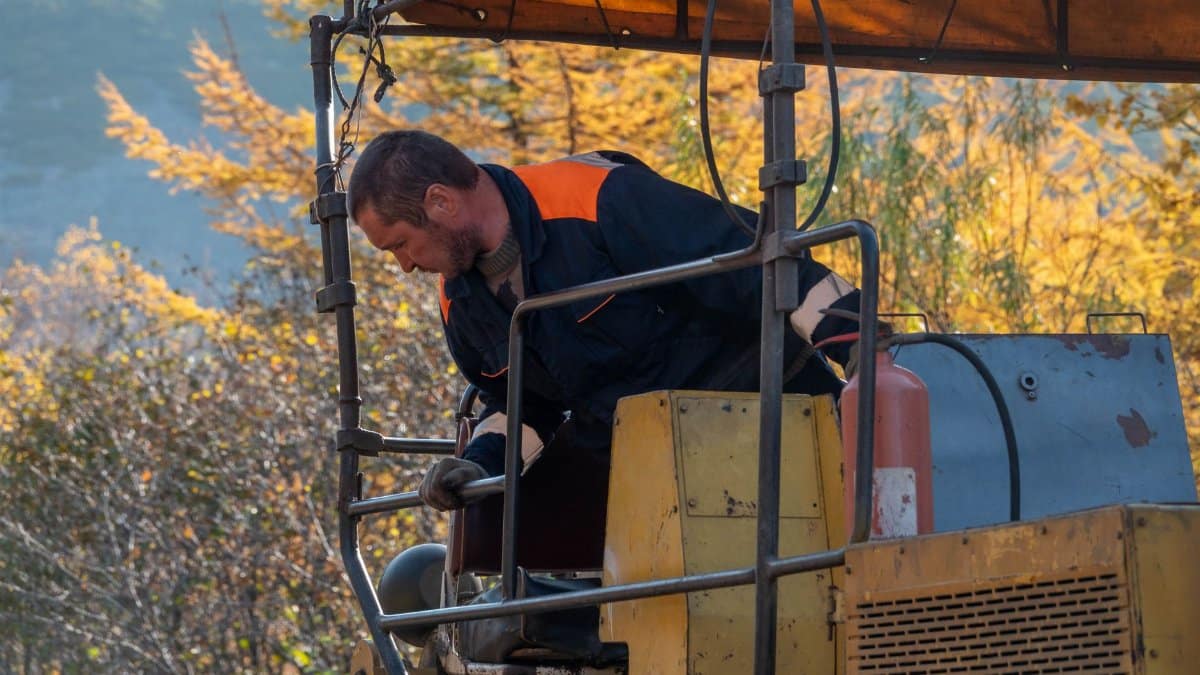
Operating engineers are the people who run cranes, bulldozers, loaders, and the heavy machines that make a modern job site possible. Their apprenticeship is not a classroom abstraction. It is hours on equipment, safety rules, and the slow earning of a license to move steel and earth without killing someone. A training yard needs space, which Center City does not have and which many private owners will not rent cheaply.
That practical need is the strongest argument for the lease. If Philadelphia wants more residents in skilled construction work, someone has to teach the work. A union training hall can do that with a seriousness that a short grant program rarely matches. The question is not whether training matters. The question is whether the city should subsidize the land underneath it at a token rate, and on what terms.
The Philly union land deal in plain terms

Strip away the press language and the Philly union land deal is a transfer of use. The city keeps title. The union gets a large site at a rent that would not cover a parking space in many neighborhoods. In return, the city is promised a facility that prepares people for construction careers. Residents are asked to trust that the promise will be written into the lease, enforced by someone with a reason to enforce it, and still meaningful a decade from now.
Trust is the scarce commodity. Philadelphia has a long memory of land deals that sounded civic and aged into something narrower. A training yard can be a civic asset. It can also become a fenced compound that serves members first and the surrounding blocks hardly at all. The difference lives in the contract, not in the ribbon cutting.
Why nominal rent is never free

Economists have a dry name for what a dollar lease conceals. Opportunity cost. Those 21 acres could hold housing, a public works yard, an industrial employer, or simply stay in reserve for a future the city has not yet imagined. Southwest Philadelphia is not a blank map. It is a place where industry, homes, and truck traffic already crowd one another, and where residents have spent years asking for investment that stays.
A token rent also sets a precedent. Other nonprofits, churches, unions, and developers will notice. If a building trades local can secure city ground for a dollar, the next applicant will arrive with a mission statement and a lawyer. Council will then have to explain why one applicant was a partner and another was a tenant who should pay. Consistency is not a virtue this city is famous for. It is still the only defense against the charge of favoritism.
Apprenticeship and who gets through the door

The public case rests on access. Construction remains one of the few trades in which a person without a college degree can earn a solid living, if that person can get into an apprenticeship and stay in it. Unions have historically guarded those doors. Some of that guarding is about skill and safety. Some of it has been about who already knew someone on the job.
A city subsidy changes the moral math. If Philadelphia is giving away the use of public land, residents have a right to ask who will be recruited, from which zip codes, and with what record of completion. A facility in Southwest Philadelphia should not function as a regional school that happens to sit on local ground while local young people watch the gates from the sidewalk. Recruitment targets, published annually, would cost the union little and would tell the city whether the subsidy is doing civic work.
Parker, Johnson, and the politics of yes

Land leases of this scale do not wander into law by accident. They need a mayor willing to offer the ground and a council president willing to move the bill. Parker has staked part of her administration on building, on cleanliness, and on a city that works in the practical sense. Johnson, whose district and whose institutional power both matter here, sits at the center of council legislation. A deal both of them can live with is a deal that will be very hard to stop.
That is not a scandal by itself. Cities are governed by alliances. Building trades unions turn out voters, fund campaigns, and supply the labor that public works require. Pretending those relationships do not shape land policy would be naive. Naming them is not the same as condemning them. It is the start of adult oversight. When the same network proposes the project, staffs the hearing, and celebrates the vote, someone outside that network has to read the lease.
What neighbors are entitled to know

A training yard is not a silent neighbor. Heavy equipment means noise, dust, early engines, and trucks on streets that already carry industrial traffic. Twenty one acres is a campus, not a storefront. Residents within earshot deserve a site plan before the vote, not a rendering after the lease is signed. Hours of operation, lighting, stormwater, and truck routes are not details for the engineers to settle later. They are the daily life of the blocks next door.
There is also the question of what happens if the union never builds, or builds and then leaves. Nominal leases sometimes linger as paper rights over land that stays vacant. A serious agreement would include a clock. Construction would start by a date. If it does not, the lease would end. Philadelphia has too much experience with options that never turn into buildings.
Public land is a kind of trust

Call it stewardship if the civic language feels thin. Land the city owns is held for people who are not in the room when the ordinance is introduced. Some of them are children. Some of them have not moved here yet. Spending that inheritance on a single tenant, even a worthy one, ought to feel heavy. The spiritual language of care is not out of place in a budget hearing. It is a reminder that ownership is not the same as license.
That does not mean the city should hoard every acre. A training facility that produces licensed operators, that opens its recruitment to public school graduates, and that pays a rent which rises if the union’s finances allow it, can be a responsible use. The standard is reciprocity. The public gives land. The tenant gives a measurable public good, on a schedule, with a way out if the good does not appear.
Money the lease does not mention
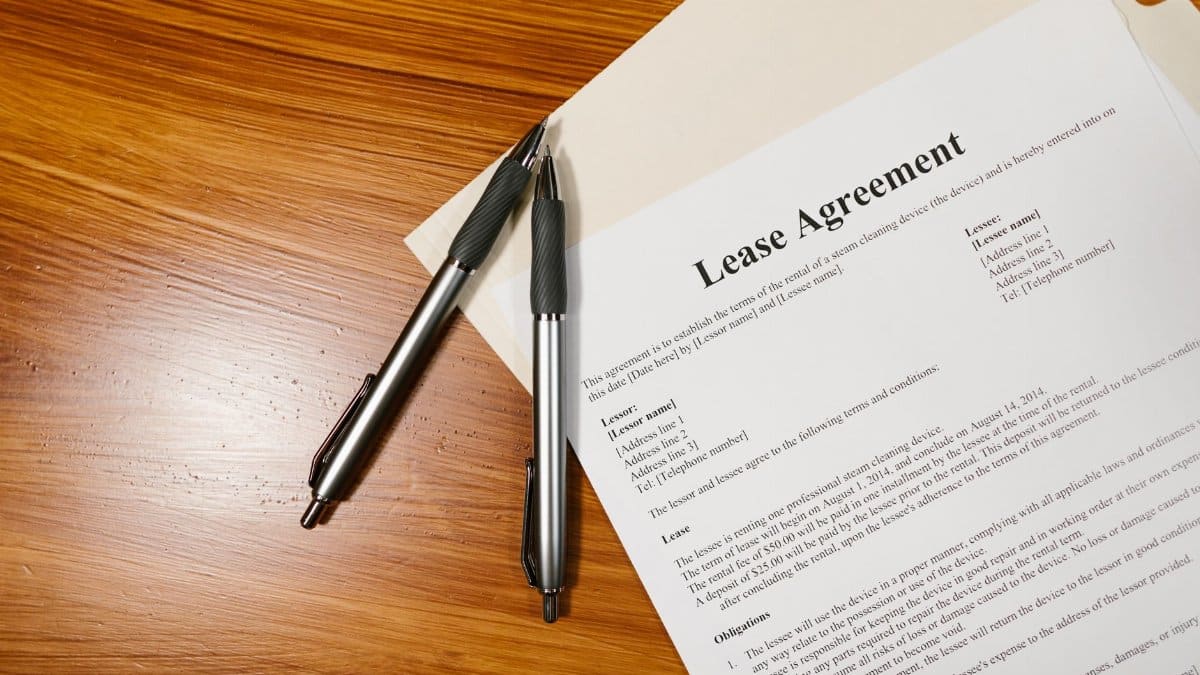
A dollar rent is only the visible subsidy. The city will still plow nearby streets, police the area, and forgo property tax it might have collected from a private owner. If the facility later seeks grants, wage subsidies, or city construction contracts for its graduates, the public contribution compounds. None of that is illegitimate. All of it should be added up before council calls the deal inexpensive.
Union training is often funded by member hours and by contractor contributions required in collective bargaining. That is real money, and it is one reason these programs outlast foundation fads. It is also a reason to ask why land must be nearly free. If the training fund can buy equipment, it can contribute more than a dollar toward the ground the equipment sits on. A modest rent, dedicated to a neighborhood fund or to the school district, would not break the project. It would mark the difference between a partnership and a gift.
How other cities have drawn the line

Cities across the country lease public land to unions, hospitals, and universities. The better agreements share a few habits. They publish the appraisal, even when the rent ignores it. They limit the term, with renewals that require a fresh vote. They ban subleasing that would let a token tenant become a landlord. They require annual reports that a clerk can post without a lawsuit.
Philadelphia can copy those habits without inventing a new theory of government. An appraisal tells the public what it is giving away. A term limit tells the next mayor that this decision is not permanent. A ban on quiet subleases tells everyone that the civic purpose cannot be rented out the side door. None of these clauses insult the union. They treat it as an adult institution capable of signing an adult contract.
The accountability test ahead

Council hearings on land can be theatrical. Supporters fill the seats. Opponents, if they exist, speak for two minutes. The ordinance moves. The Philly union land deal will deserve a slower hearing than that custom allows. Members should ask who drafted the lease, whether an appraisal exists, how long the term runs, and what happens to buildings the union constructs if the lease ends. They should ask how many apprentices from Philadelphia, and from the immediate neighborhoods, the union will enroll in the first five years.
They should also ask what the administration rejected. Was a sale considered. Was a higher rent offered and refused. Did other unions or training programs seek the same ground. A single applicant process is not proof of corruption. It is proof that the city needs to show its work. Sunlight here is not a slogan. It is the only way a dollar figure survives contact with the public.
A facility can still be worth wanting

None of this requires hostility to the trades. Philadelphia is rebuilding, or trying to, and it will need people who can run the machines. A modern yard in the southwest of the city could shorten commutes for apprentices, keep training inside the city limits, and give young residents a visible path into work that pays. That vision is compatible with a hard lease. It is not compatible with a shrug.
The building trades have earned respect on dangerous jobs. Respect is not a blank check on the land records. The union can accept reporting, a real rent trajectory, and a reversion clause, and still build the yard it wants. If it cannot accept those terms, the city will have learned something useful before the fence goes up.
What readers should watch for next

The next documents matter more than the next speeches. Watch for the ordinance number, the lease term, and any appraisal attached to the file. Watch whether community meetings happen in the evening, near the site, with the site plan on the wall. Watch whether Parker describes the lease as economic development, and whether Johnson describes it as a district priority. Both descriptions can be true. Neither replaces the text.
Watch, too, for silence from members who usually speak loudly about public assets. A deal this large should not pass on a consent calendar. If it does, the story will not be about apprentices at all. It will be about how easily Philadelphia still confuses an ally with the public interest.
A dollar and a duty

The Philly union land deal can become a model or a caution. A model would put training on public ground under rules the public can read, with rent that acknowledges value and with doors that open toward the neighborhoods nearby. A caution would be a dollar lease, a long term, and a hope that everyone behaves. Hope is not a land policy.
Southwest Philadelphia has waited through enough announcements. If this one is different, the proof will be ordinary and specific. Cranes will be practiced, not merely promised. Local apprentices will have names and completion dates. The city will still own the ground, and will still be able to take it back. Until those conditions are written down, a dollar a year is not a bargain. It is an unanswered question about who the city is for.