
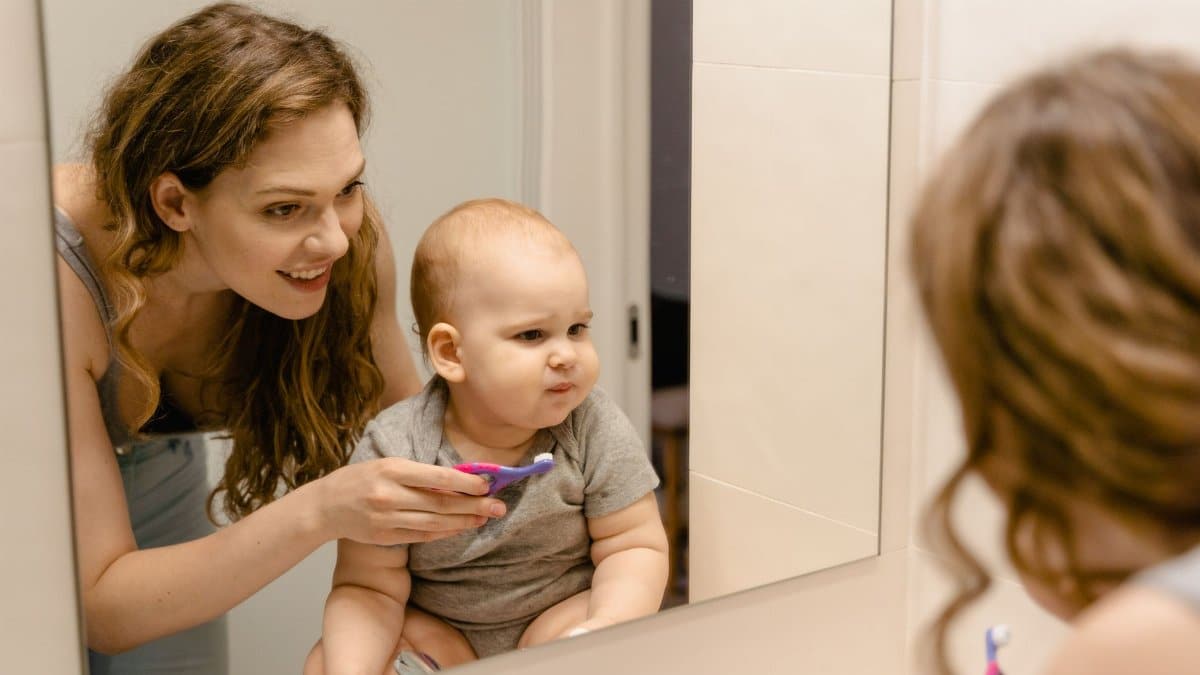
In the quiet communities of Licking County residents have begun receiving unusual requests from university teams seeking items that many parents once tucked away as keepsakes. Shed teeth from young children along with small clippings from toenails now hold value for scientists tracking possible exposure to radioactive elements in the local water and soil. This approach forms the core of baby teeth research that connects everyday family life with larger questions about energy industry practices and long term community wellbeing.
Tracing the Path of Oilfield Brine
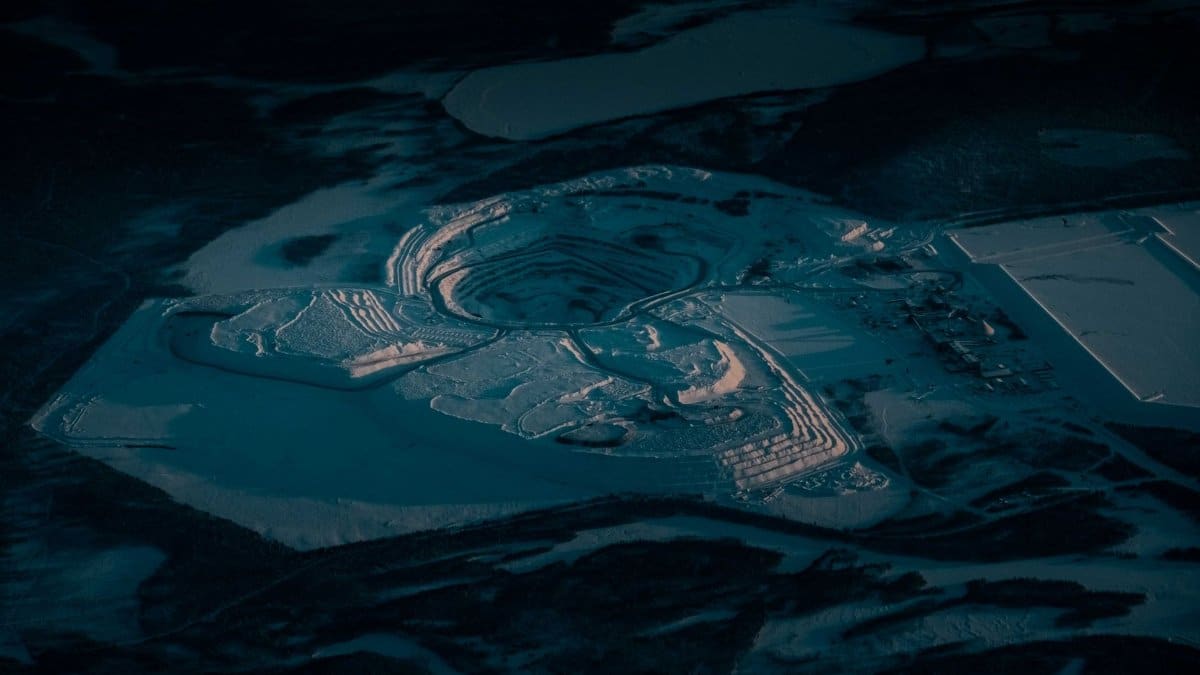
Oilfield operations in parts of Ohio have produced large volumes of wastewater known as brine that contains naturally occurring radioactive materials. Over time this liquid can enter groundwater or surface soil through leaks spills or improper disposal. Local families worry about gradual buildup in the environment and how it might affect growing bodies. Researchers hope physical samples will reveal whether such contaminants have reached people through drinking water or food sources.
Why Teeth and Nails Serve as Records

Baby teeth and toenail clippings act as biological archives because they form during specific periods of childhood and retain traces of elements absorbed from air water and diet. Unlike blood tests that capture only recent exposure these materials can show patterns over months or years. Scientists analyze them for isotopes linked to oilfield waste providing a window into past conditions that might otherwise go unnoticed.
Ohio State Team Leads the Effort
Faculty members at Ohio State University designed the collection protocol after reviewing earlier studies on radiation in rural areas. They selected Licking County because of its mix of active wells and residential zones. Participants receive simple kits with instructions for safe storage and mailing. The project emphasizes voluntary involvement and privacy protections to encourage broad participation across different households.
Community Reactions and Daily Concerns

Some parents view the request as a chance to contribute to public knowledge while others express hesitation about handling personal items for scientific purposes. Local meetings have featured discussions on trust in research institutions and the pace of energy development. Many residents note that they value the rural character of the county and want assurance that health comes before industrial expansion.
Historical Precedents in Environmental Sampling
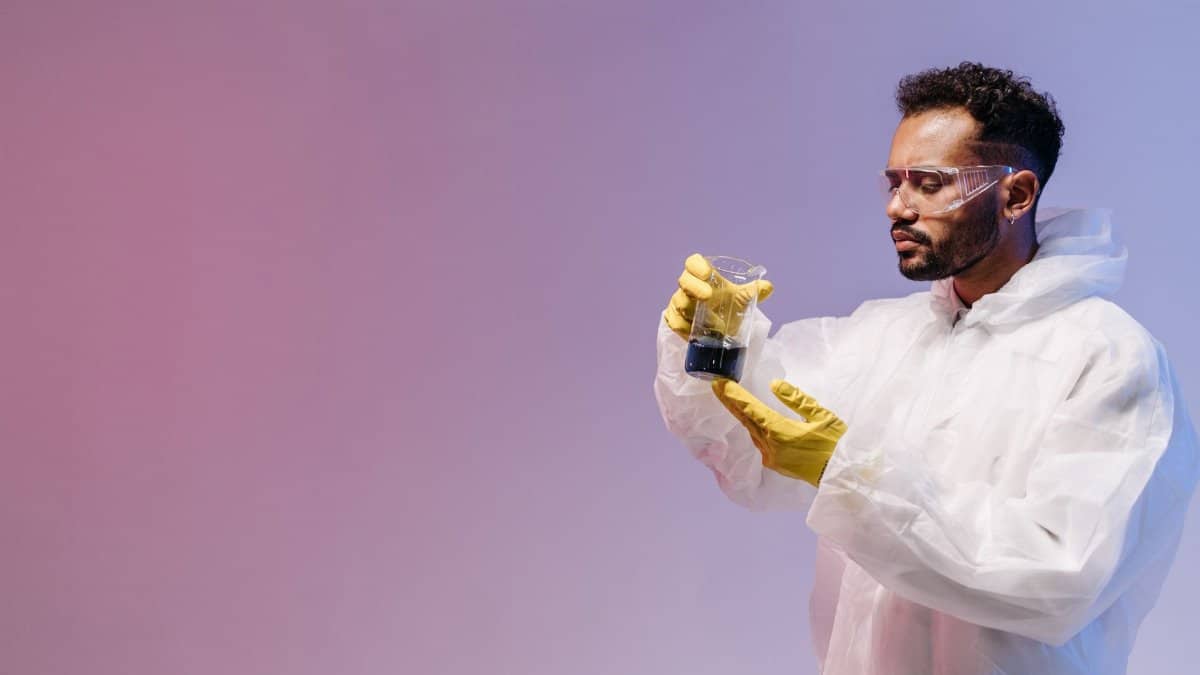
Similar collections of teeth have occurred in other regions to study fallout from nuclear tests or industrial pollution. Those projects demonstrated that certain populations carried higher levels of specific isotopes than expected. Current work builds on those methods yet adapts them to the unique chemistry of oilfield brine which differs from older sources of radiation.
Interpreting Results for Public Health
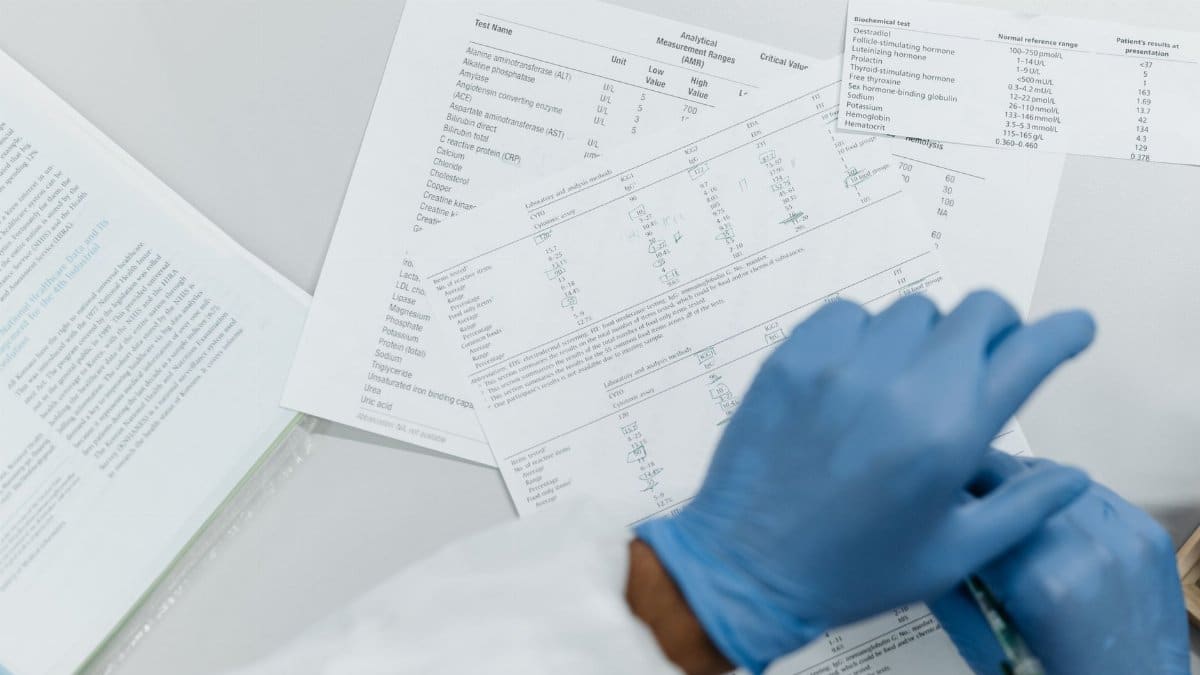
Once samples undergo laboratory analysis the team plans to publish findings that compare levels across different parts of the county. Any elevated readings could prompt calls for further water testing or changes in waste handling rules. Officials stress that individual results will remain confidential while aggregate data may guide future policy decisions.
Broader Implications for Energy Regions
The Licking County project may serve as a model for other areas where oil and gas activity overlaps with homes and schools. If the method proves reliable it could expand to additional counties facing similar waste streams. Advocates argue that such studies strengthen the case for stronger oversight without halting legitimate economic activity.
Looking Ahead to Expanded Collections
University leaders have indicated interest in gathering more samples over the next several years to track trends. They also welcome input from residents on how to improve outreach. The goal remains steady collection of reliable data that informs both science and the people who live near energy sites.