
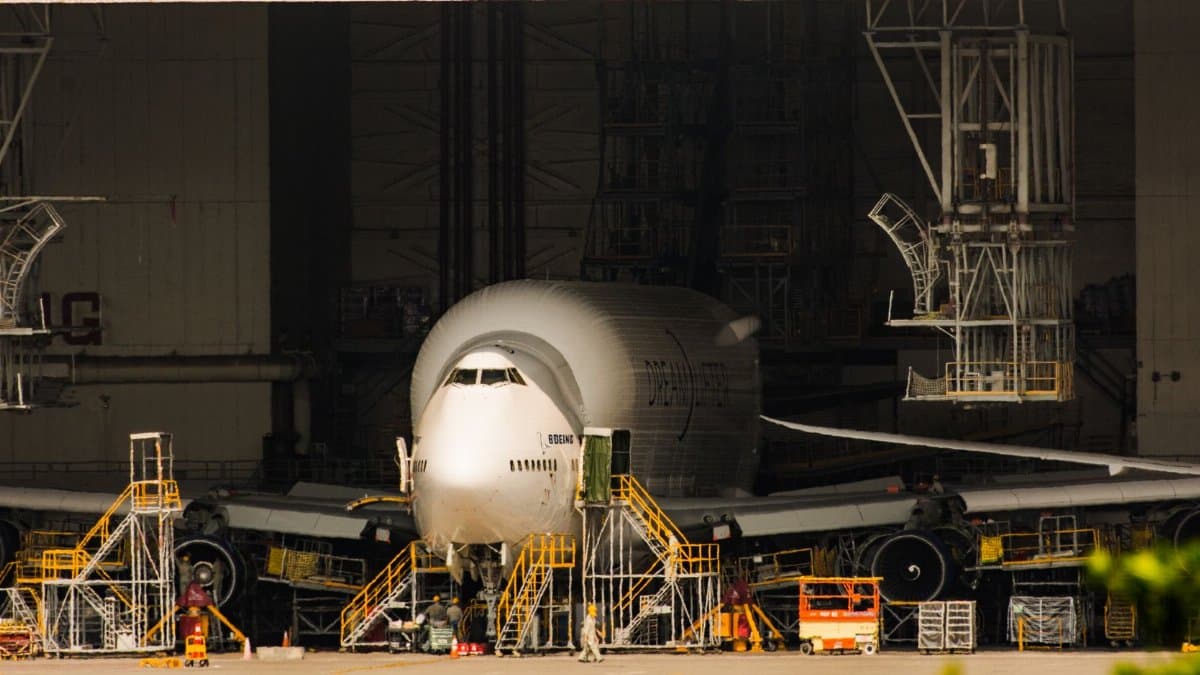
In recent months the aviation sector has witnessed intense discussions over employment terms at one of its largest employers. These talks have drawn in thousands of skilled professionals whose daily work supports aircraft design and production across the Pacific Northwest. The Boeing SPEEA contract stands at the center of these exchanges as both sides seek common ground on pay scales and work conditions that affect families and communities far beyond the factory floors.
Origins of Union Representation at Boeing

The Society of Professional Engineering Employees in Aerospace formed decades ago to give voice to engineers and technical staff. Over time this group expanded to cover a wide range of occupations tied to product development and testing. Its members often carry advanced degrees and shoulder responsibility for safety critical systems.
Details of the Latest Tentative Accord

Union leaders recently endorsed a package that includes wage adjustments and enhanced retirement options. The proposal also addresses concerns about workload distribution during peak production cycles. Ratification votes are scheduled in coming weeks at multiple sites.
Worker Reactions Across Facilities
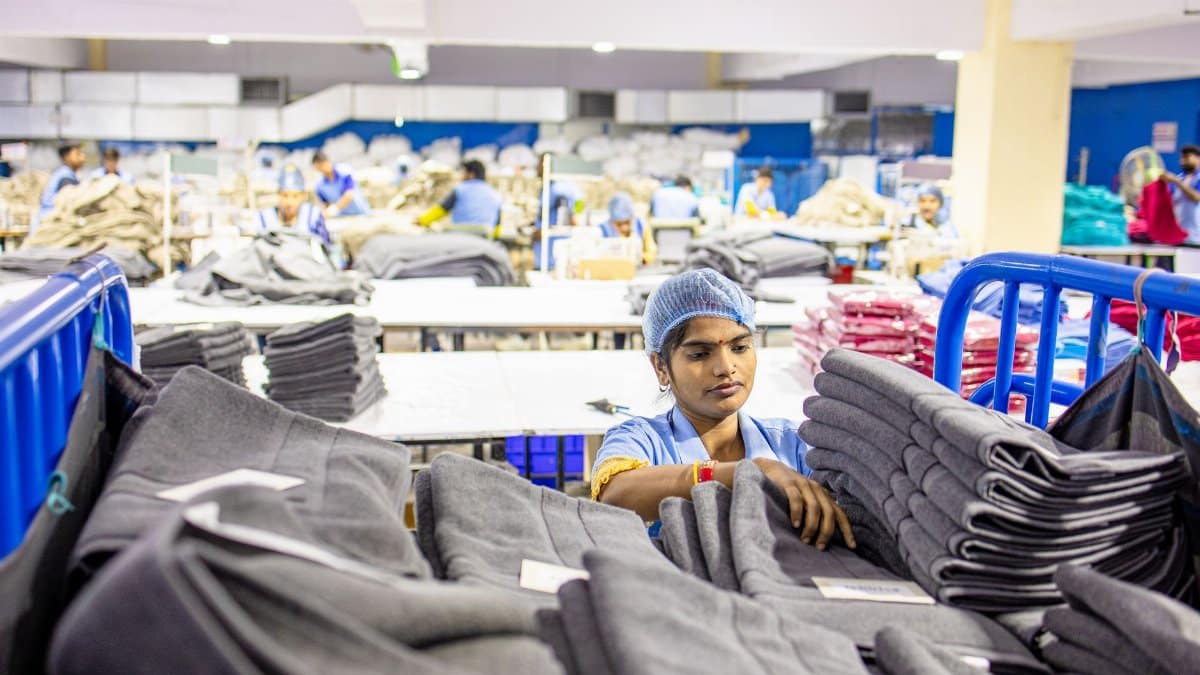
Many employees expressed cautious optimism after reviewing summaries released by the union. Some noted improvements in health coverage while others focused on provisions for remote work flexibility. Local chapters plan informational sessions to clarify fine print.
Boeing Management Perspective

Company officials described the agreement as a balanced step forward that supports both competitiveness and talent retention. They emphasized ongoing investments in training programs meant to keep the workforce aligned with emerging technologies.
Broader Effects on Regional Economy

A stable contract could influence supplier networks and housing markets in areas where Boeing maintains large campuses. Analysts point to ripple effects on schools and small businesses that rely on steady payrolls from aerospace households.
Comparison With Prior Agreements

Earlier pacts set precedents for profit sharing formulas now under revision. The current round introduces new language around skill based advancement that reflects changes in how aircraft programs are staffed.
Role of Federal Agencies

Labor regulators have monitored the process to ensure compliance with national standards. Their involvement helps maintain transparency during periods of high public interest in major manufacturers.
Potential Challenges to Ratification

Some members have voiced reservations about specific clauses on overtime caps. Union representatives are addressing these points through direct outreach and written clarifications.
Historical Context of Aerospace Labor Relations

Strikes and lockouts have marked the industry at various points in the past century. Lessons from those episodes inform current strategies aimed at avoiding disruptions that could delay aircraft deliveries.
Impact on Future Aircraft Programs

Smooth implementation of the Boeing SPEEA contract may support timelines for next generation models now in development. Engineers play key parts in meeting certification requirements that affect global sales.
Community Views in Washington State

Residents near assembly plants often follow contract news closely due to its influence on local tax bases. Civic groups have hosted forums to discuss how outcomes translate into public services.
Outlook for Ongoing Collaboration

Both parties have signaled willingness to maintain dialogue beyond the current vote. This approach could set a pattern for addressing emerging issues such as supply chain shifts and workforce demographics. The Boeing SPEEA contract thus serves as more than a single document. It reflects larger questions about how technical expertise is valued in a changing industrial landscape. Observers will watch closely as details unfold in the months ahead.