

Chicago has taken a significant step forward in supporting its transportation workforce with the launch of a dedicated facility. Mayor Brandon Johnson recently opened the Driver Resource Center to provide education and assistance to rideshare and taxi drivers facing various professional hurdles. Located in a central area it offers workshops on financial management and legal rights among other services. This development comes at a time when the gig economy continues to expand rapidly across major cities and many workers seek stable guidance amid shifting regulations.
The Role of the New Center

The facility serves as a hub where drivers can gather to learn about their rights and responsibilities in an evolving industry. Officials designed it to address common concerns such as insurance questions and contract details that often arise in daily operations. By centralizing these resources the city aims to reduce isolation felt by many independent operators who spend long hours on the road.
Services Offered to Drivers

Workshops cover topics from basic accounting to understanding local traffic laws. Staff members provide one on one consultations to help individuals navigate paperwork for vehicle registrations and tax filings. Additional programs focus on health and wellness including stress reduction techniques tailored to the demands of urban driving schedules.
Impact on Local Communities

Residents notice improvements as better informed drivers contribute to safer streets and more reliable service. The center encourages community building among participants who share experiences and form support networks. Local businesses nearby report increased foot traffic from visitors attending sessions.
Views from City Officials
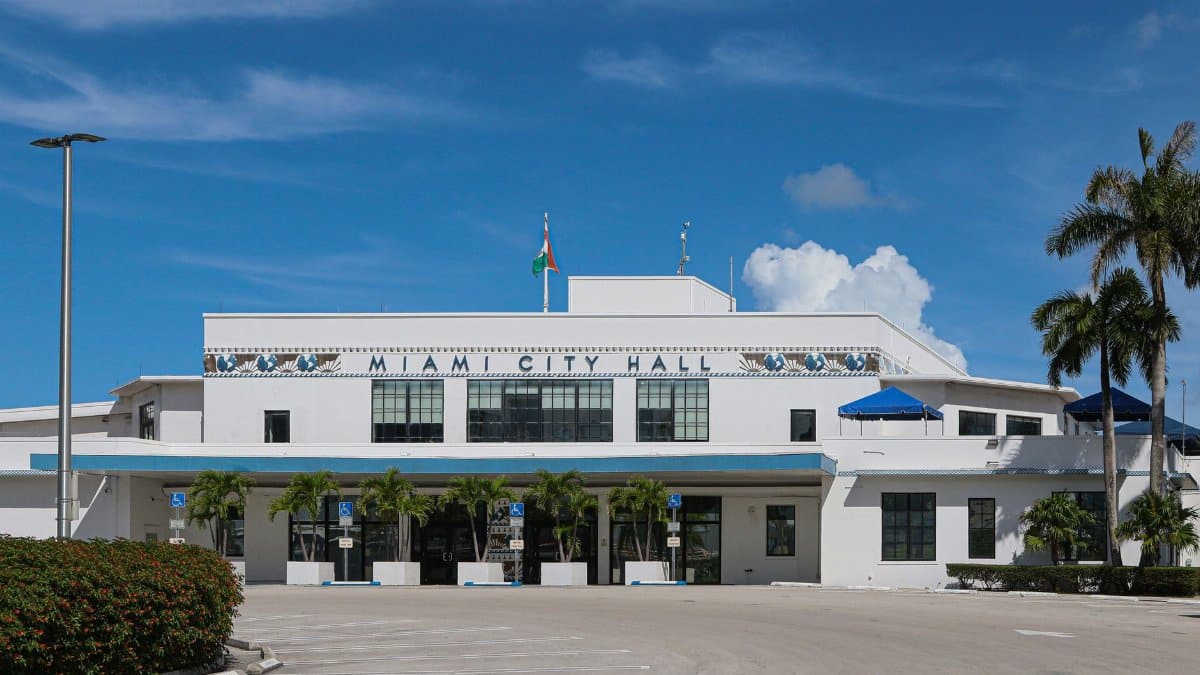
Mayor Johnson emphasized the importance of recognizing the contributions of these essential workers during the opening ceremony. Other leaders highlighted how such investments strengthen the overall economy by fostering a more stable workforce. They expressed hope that similar efforts will spread to neighboring regions.
Challenges in the Transportation Sector
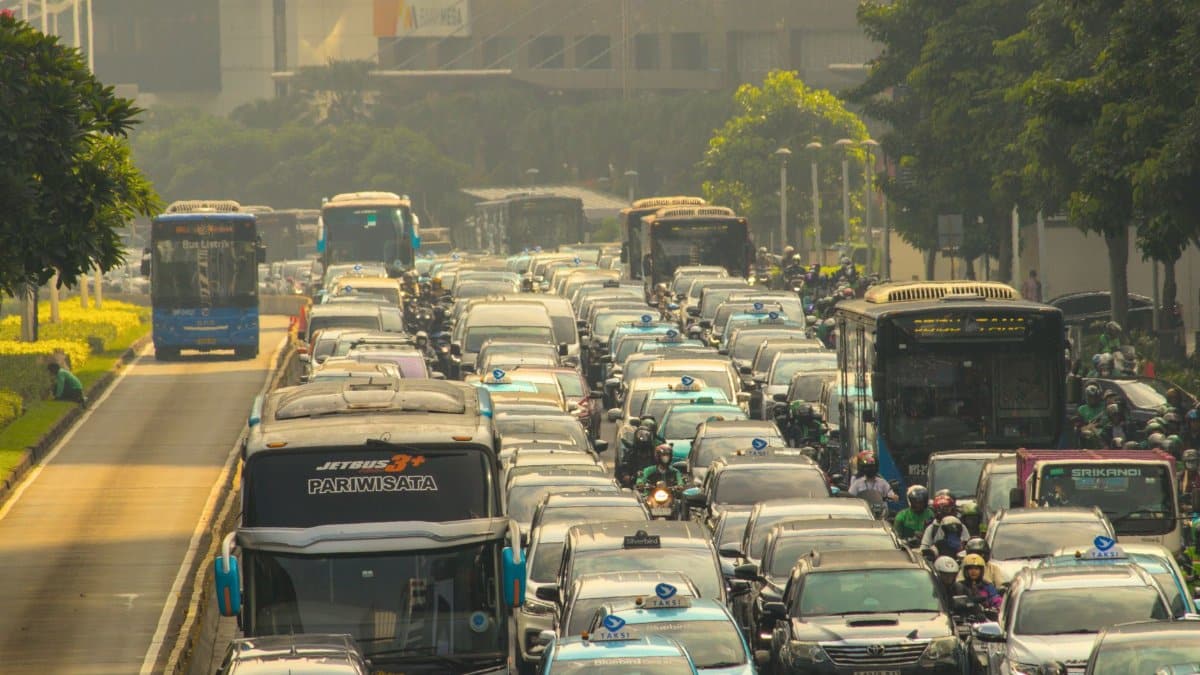
Drivers often encounter unpredictable income and rising operational costs that strain their livelihoods. Regulatory changes at state and federal levels add layers of complexity requiring ongoing education. The new center seeks to mitigate these issues through accessible information and practical tools.
Future Plans for Expansion

City planners intend to add satellite locations and online modules to reach more participants. Partnerships with educational institutions could introduce certification programs that enhance professional credentials. Evaluations will guide adjustments based on user feedback over the coming months.
Comparisons with Other Cities

Similar initiatives in places like New York and Los Angeles have shown positive outcomes in driver retention and satisfaction. Chicago draws from those examples while adapting features to fit its unique urban landscape and diverse driver population.
How Drivers Can Access Help
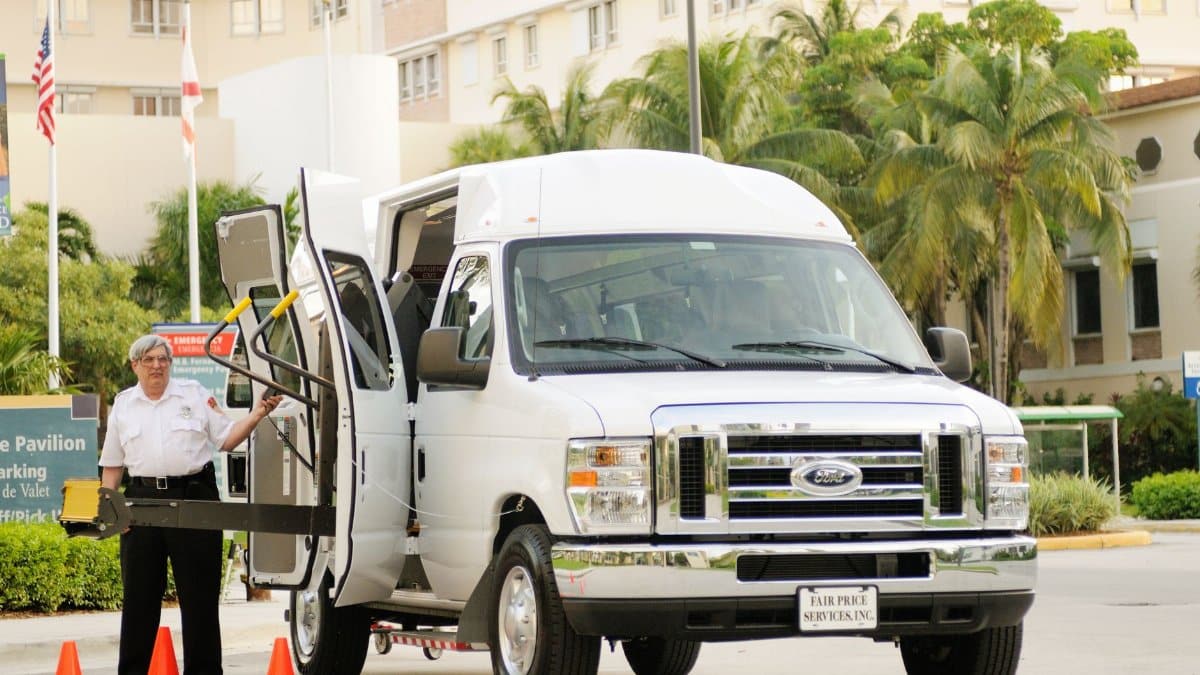
Registration is available through a simple online form or by visiting the main location during operating hours. Sessions run on weekdays with evening options to accommodate varied work shifts. The Driver Resource Center continues to refine its approach to meet the needs of all who rely on it for guidance.