

Recent policy changes have directed hundreds of thousands of asylum claims into the formal immigration court system rather than allowing initial reviews by asylum officers. The asylum backlog rule represents an effort to streamline processes yet it may accelerate removals for many applicants who have waited years for decisions. The rule comes amid growing backlogs that have left many cases unresolved for extended periods. Advocates worry this approach could limit opportunities for individuals fleeing persecution to present their cases thoroughly before judges who often have heavy dockets. Observers note that such shifts carry broad implications for communities across the nation as well as for the integrity of the overall immigration framework.
Origins of the Current Policy Adjustment

Federal officials have cited persistent delays in asylum processing as the primary driver behind the new approach. Over time these delays have created large inventories of pending matters that strain resources at every level of government. By moving cases directly to courts the administration seeks to impose greater structure on a system long criticized for inefficiency.
How Immigration Courts Face Expanded Duties

Judges in these venues already manage complex calendars filled with matters involving removal proceedings and requests for relief. Adding substantial volumes of new claims will require additional personnel and procedural adaptations to maintain basic functionality. Legal experts anticipate longer waiting times before final resolutions emerge in many instances.
Effects on Individuals Awaiting Hearings

People who submitted applications in good faith now confront the prospect of appearing before formal tribunals with less preparatory support than before. This transition can prove especially difficult for those lacking legal representation or familiarity with court protocols. Many have built lives in local communities during years of waiting only to see their situations grow more precarious.
Concerns from Advocacy Organizations

Groups focused on migrant rights argue that the change reduces safeguards intended to identify valid claims early in the process. They point to risks that legitimate cases of persecution could be overlooked amid rushed court schedules. Public statements from these organizations emphasize the need for balanced implementation that protects due process.
Broader Community Repercussions

Regions with large immigrant populations may experience ripple effects as families navigate heightened uncertainty. Local service providers could see increased demand for counseling and legal aid as individuals seek guidance on next steps. Such dynamics often extend beyond immediate policy circles to affect schools businesses and social networks.
Comparisons with Past Administrative Approaches

Previous efforts to manage asylum volumes have included expanded officer training and technology upgrades for case tracking. The current measure differs by emphasizing judicial involvement from the outset which alters the sequence of reviews. Analysts continue to assess whether this produces faster outcomes or simply relocates bottlenecks.
Perspectives from Legal Practitioners
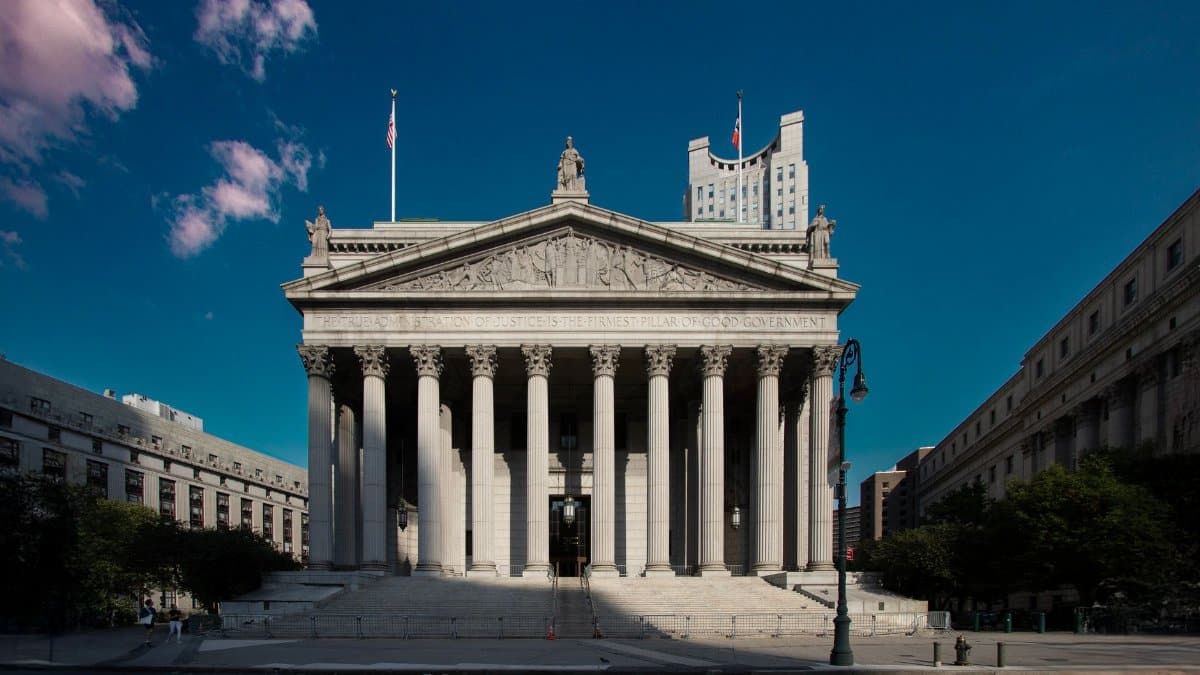
Attorneys who handle immigration matters describe mixed reactions to the rule. Some appreciate the clarity of directing cases to established court venues while others express apprehension over capacity constraints. Their experiences underscore practical challenges that abstract policy documents may not fully capture.
Potential International Dimensions

Neighboring countries that share migration patterns with the United States watch these developments closely. Shifts in domestic rules can influence cross border flows and diplomatic discussions on shared responsibility. Regional cooperation remains essential even as unilateral policy steps proceed.
Looking Ahead for Policy Refinement

Future adjustments may depend on court performance data and feedback from stakeholders involved in daily operations. Lawmakers could consider additional funding or structural reforms if backlogs persist despite the changes. Ongoing evaluation will determine whether the asylum backlog rule achieves its stated goals or requires further modification.