

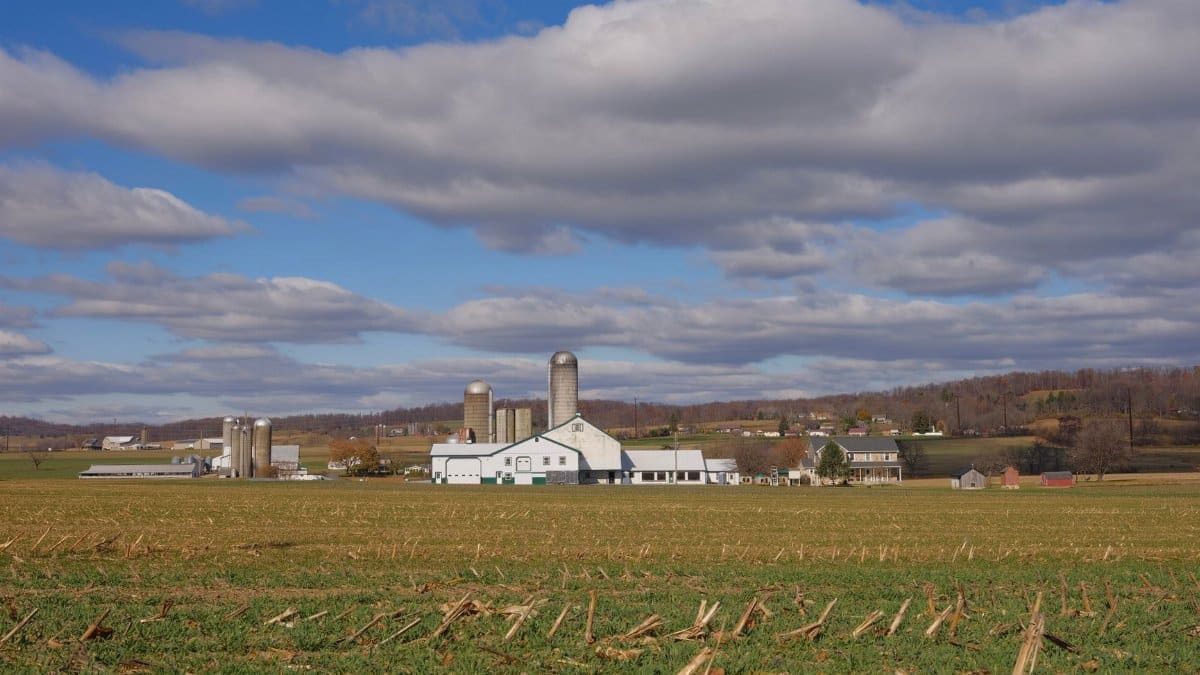
In the rolling countryside north of Austin, where family farms have defined the landscape for generations, residents are increasingly questioning the arrival of massive computing facilities that promise jobs but strain local resources. Texas data centers have become a flashpoint in state politics, with their rapid growth highlighting tensions between economic development and community priorities. Democrats in the state legislature see an opening to connect with voters who feel state tax policies favor large corporations over everyday concerns.
Democrats Seek Advantage in Rural Discontent
Several Democratic candidates are highlighting how property tax abatements for these facilities divert funds from schools and roads in smaller counties. This approach allows them to frame the issue as one of fairness rather than outright opposition to technology investment. Party strategists note that such messaging resonates in areas where construction has accelerated without broad public input.
Tax Policies Fuel Growing Opposition

State incentives originally designed to attract industry now draw scrutiny as data facility projects multiply across central and west Texas. Critics argue these breaks reduce revenue for essential services while the facilities consume large amounts of electricity and water. Lawmakers from affected districts report hearing more complaints from constituents about rising utility rates tied to new demand.
Energy Demands Strain Local Grids
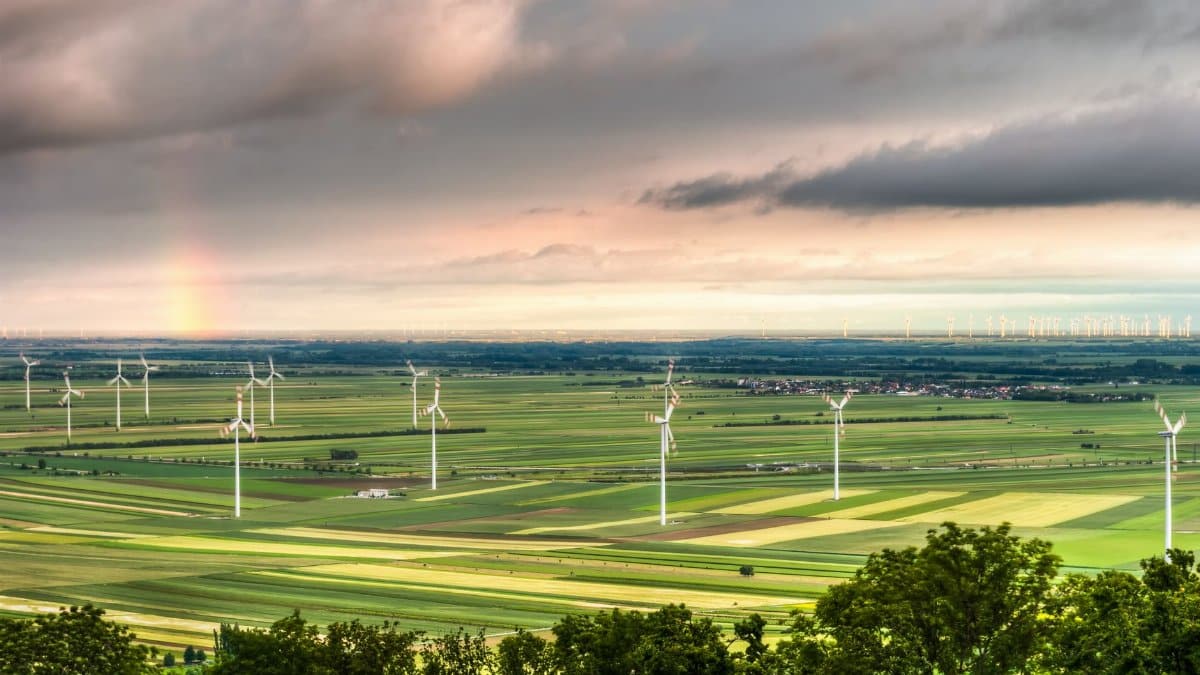
Power requirements for the facilities often exceed what rural transmission lines were built to handle, prompting utilities to seek rate increases or new generation sources. Some counties have seen proposals for additional natural gas plants to meet the load, raising questions about long term environmental effects. Residents in these areas describe meetings where company representatives outline benefits but provide limited details on infrastructure upgrades.
Construction Changes Small Town Dynamics
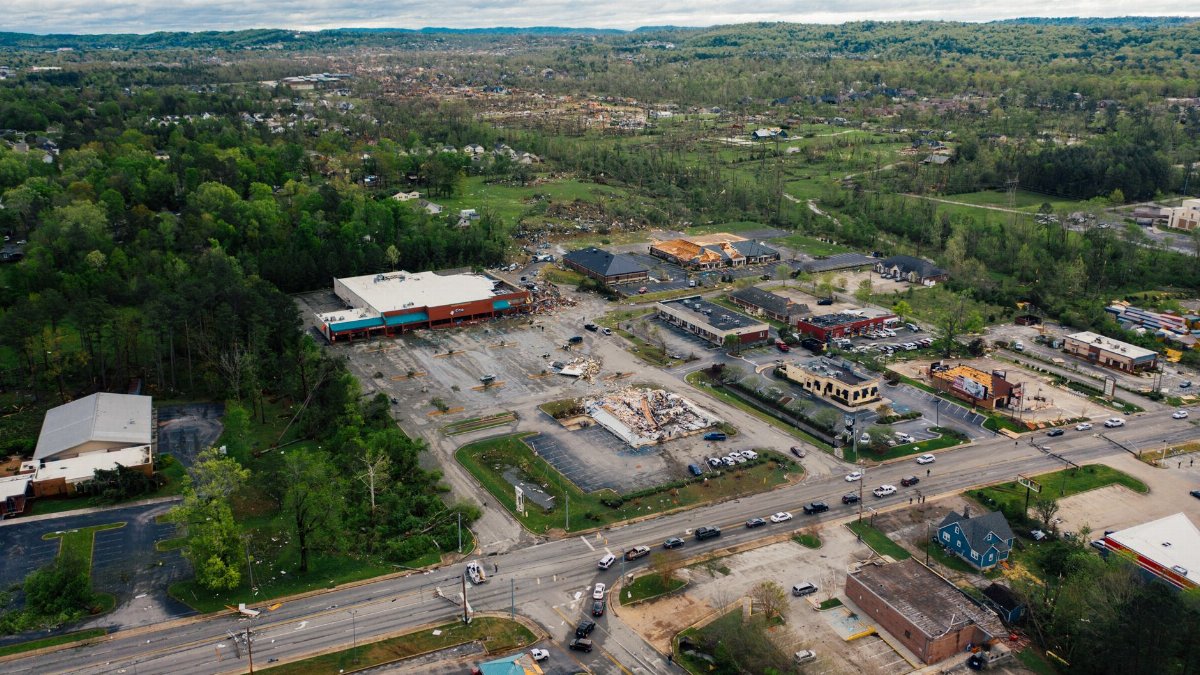
Towns that once focused on agriculture now host large building sites with heavy truck traffic and temporary housing for workers. Local officials report mixed views, with some welcoming the economic activity while others worry about pressure on housing stocks and public safety resources. The pace of development has left little time for comprehensive planning in many places.
Water Use Emerges as Key Concern

Cooling systems in the facilities require steady supplies that compete with agricultural and residential needs during dry periods. Several groundwater districts have begun reviewing permit applications more closely as a result. This has added another layer to debates over how state policies balance industrial growth with conservation efforts in drought prone regions.
Legislative Proposals Target Incentives

Bills introduced in recent sessions would require greater transparency around tax agreements and set minimum standards for community benefit agreements. Supporters say these changes would give local governments more leverage when negotiating with developers. Opponents maintain that such rules could slow investment and send projects to other states with fewer restrictions.
Broader Political Realignment Takes Shape

The issue has prompted unusual alliances between rural conservatives and Democratic organizers who share skepticism of unchecked corporate incentives. Campaign events in affected counties now routinely include discussions of energy policy and land use. Observers suggest this overlap could influence turnout in upcoming elections if candidates continue to emphasize the topic.