
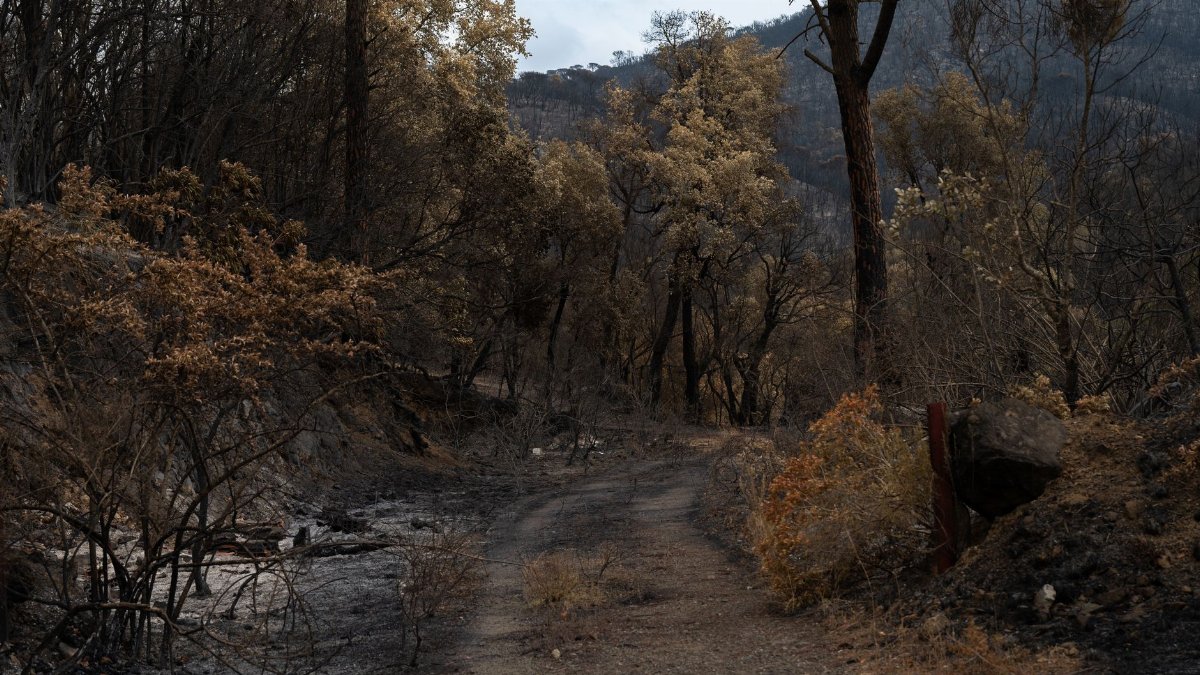
The Dove Fire Sonora erupted with startling speed this week, sending thick smoke over the foothills and prompting urgent action from officials in Tuolumne County. Residents near Sonora watched as flames advanced toward homes and roads leading into the Sierra Nevada, forcing many to gather belongings and leave with little notice. The situation has drawn attention because the area serves as a key gateway to Yosemite National Park, where summer visitors often pass through on their way to the famed granite cliffs and meadows. Local authorities have worked around the clock to manage the threat while keeping the public informed through regular updates.
Origins of the Blaze in Tuolumne County
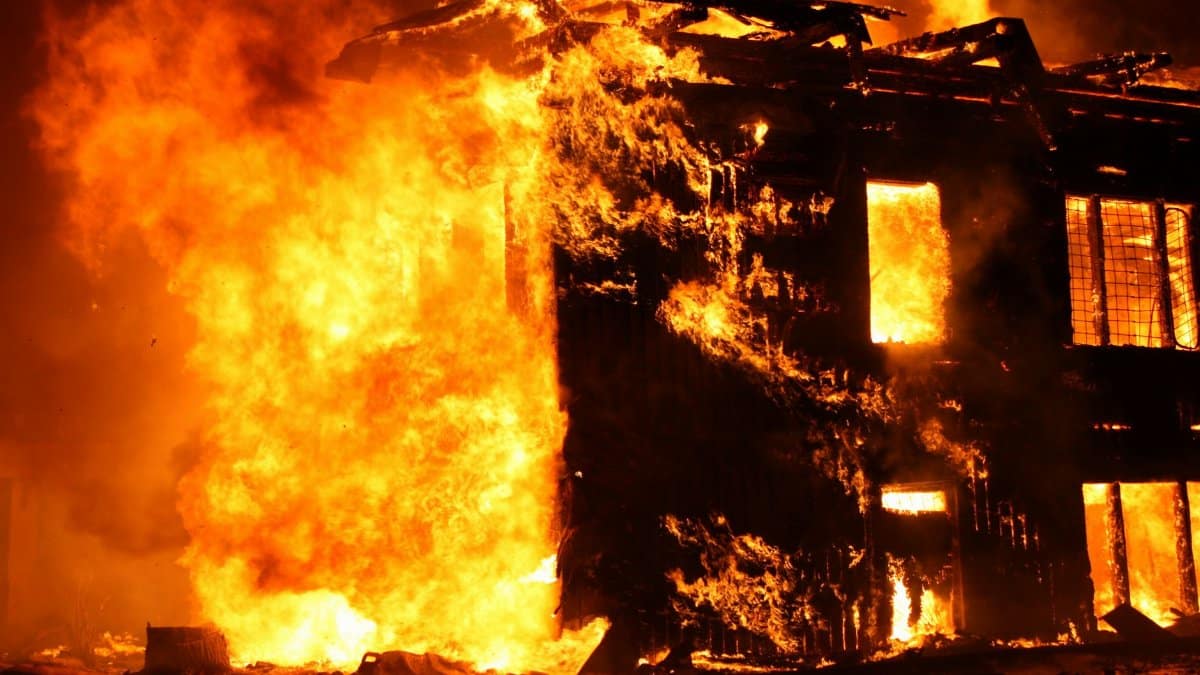
Investigators trace the start of the Dove Fire Sonora to a remote ridge where dry vegetation and gusty winds created ideal conditions for rapid growth. Crews arrived quickly yet found the terrain difficult, with steep slopes that limited access for heavy equipment. Early assessments suggest lightning or an unattended campfire may have played a role, though the precise cause remains under review.
Evacuation Orders Reach Local Neighborhoods
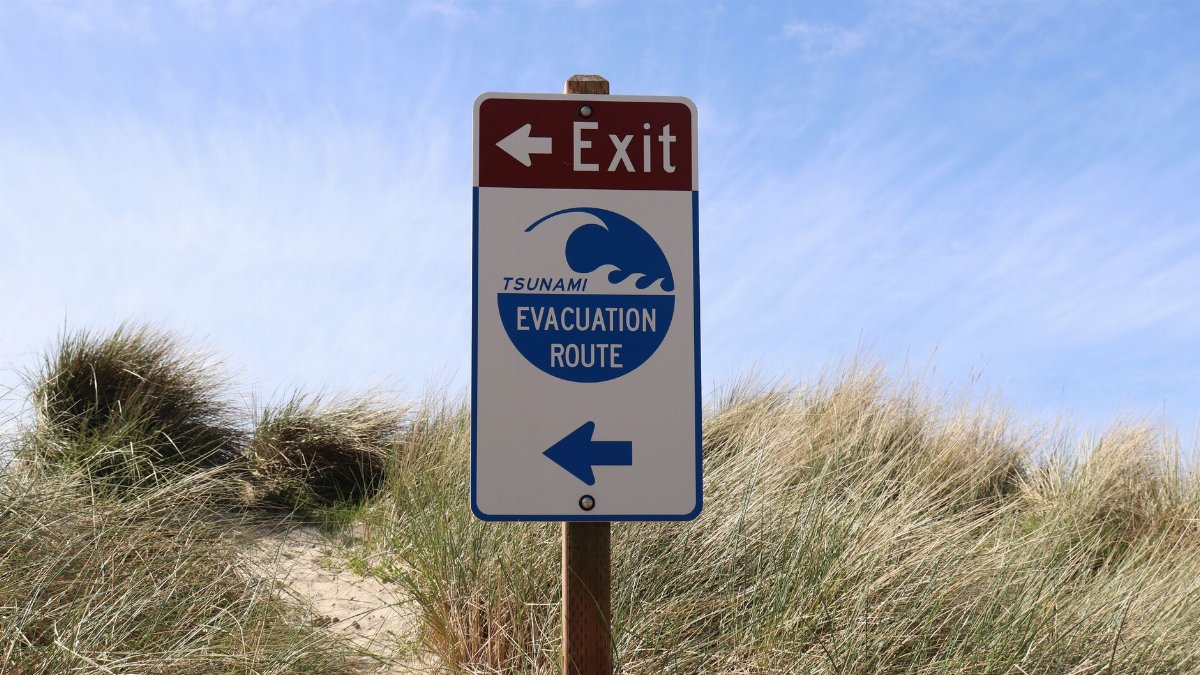
Mandatory departures were issued for several zones surrounding Sonora, with alerts sent via phone and radio to ensure broad reach. Families loaded vehicles with pets, documents and irreplaceable items before heading to shelters in nearby towns. Some residents chose to stay behind at first, citing concerns for livestock, yet most eventually complied once officials described the fast moving front.
Disruptions to Yosemite Travel Routes
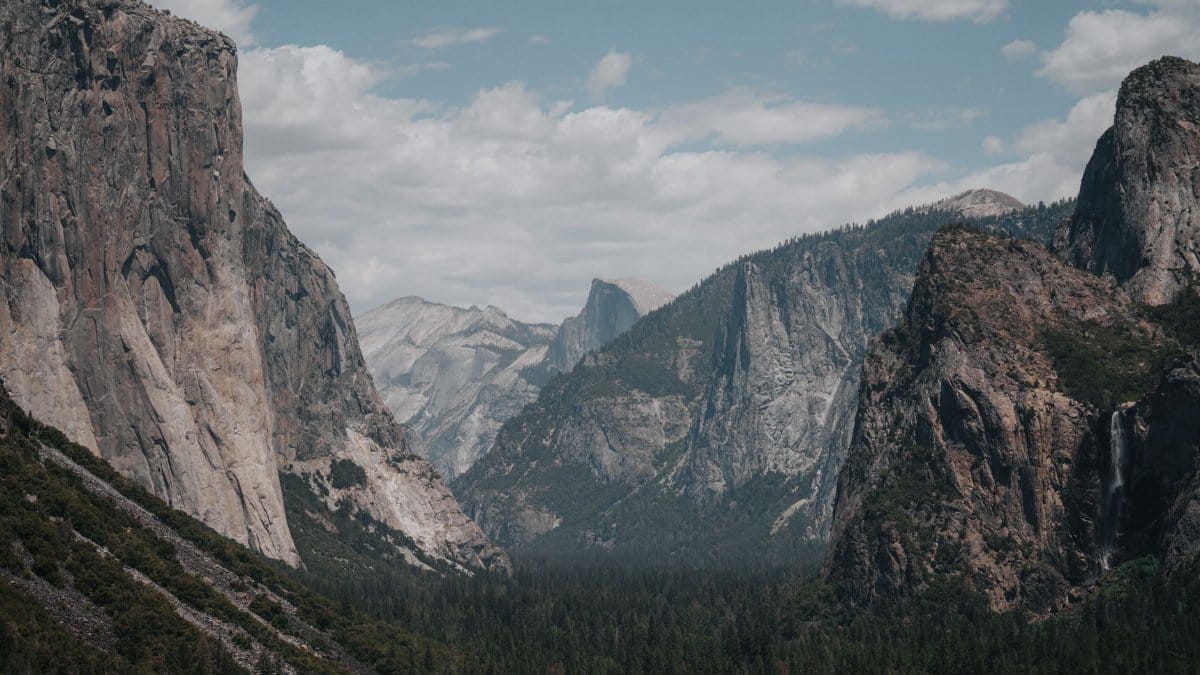
Road closures along Highway 120 and secondary routes have altered plans for thousands of park visitors. Detours add hours to trips from the Central Valley, and campgrounds inside Yosemite have reported cancellations as smoke drifts across the boundary. Park rangers continue to monitor air quality and advise travelers to check conditions before setting out.
Efforts by Fire Crews on the Ground
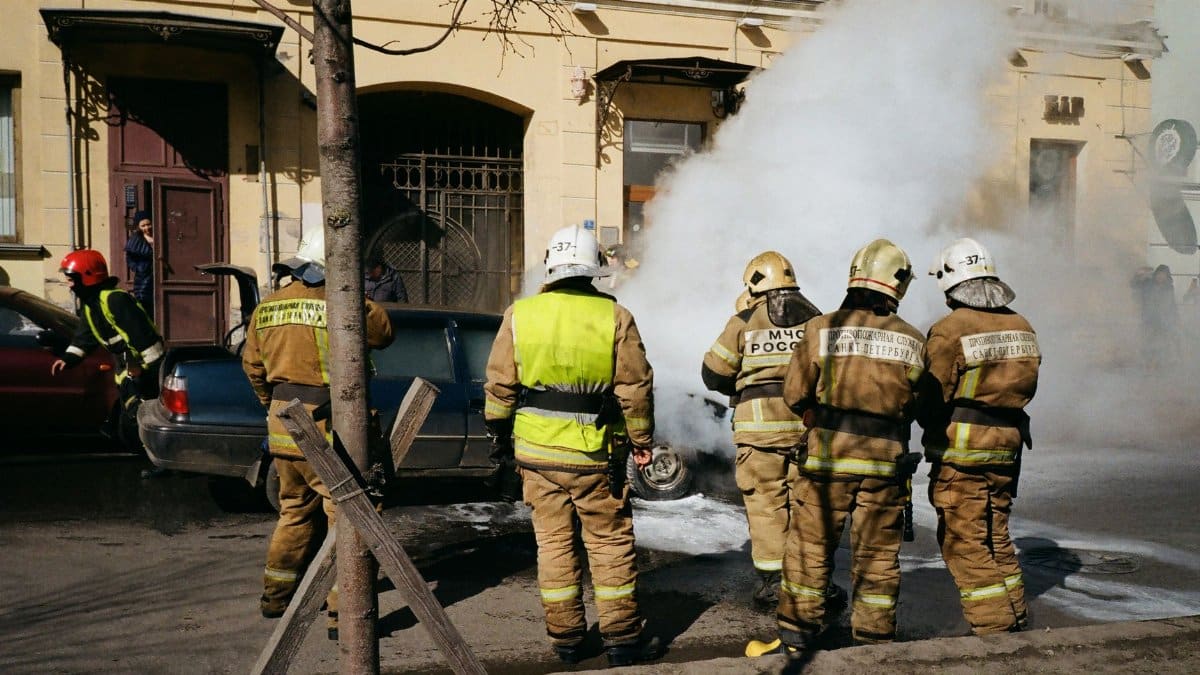
Hundreds of firefighters from across the state have joined the containment lines, using hand tools and aircraft to slow the advance. Night operations have proven especially demanding because of limited visibility and shifting winds. Support teams provide meals and medical checks to keep personnel ready for long shifts in rugged country.
Role of Local Volunteers and Aid Groups

Churches, service clubs and neighbors have opened doors to those displaced, offering cots, hot meals and a place to gather information. Donation drives collected clothing and supplies within hours of the first alerts. These grassroots actions have eased pressure on official shelters and strengthened ties among people who often see one another only at community events.
Effects on Wildlife and Forest Lands
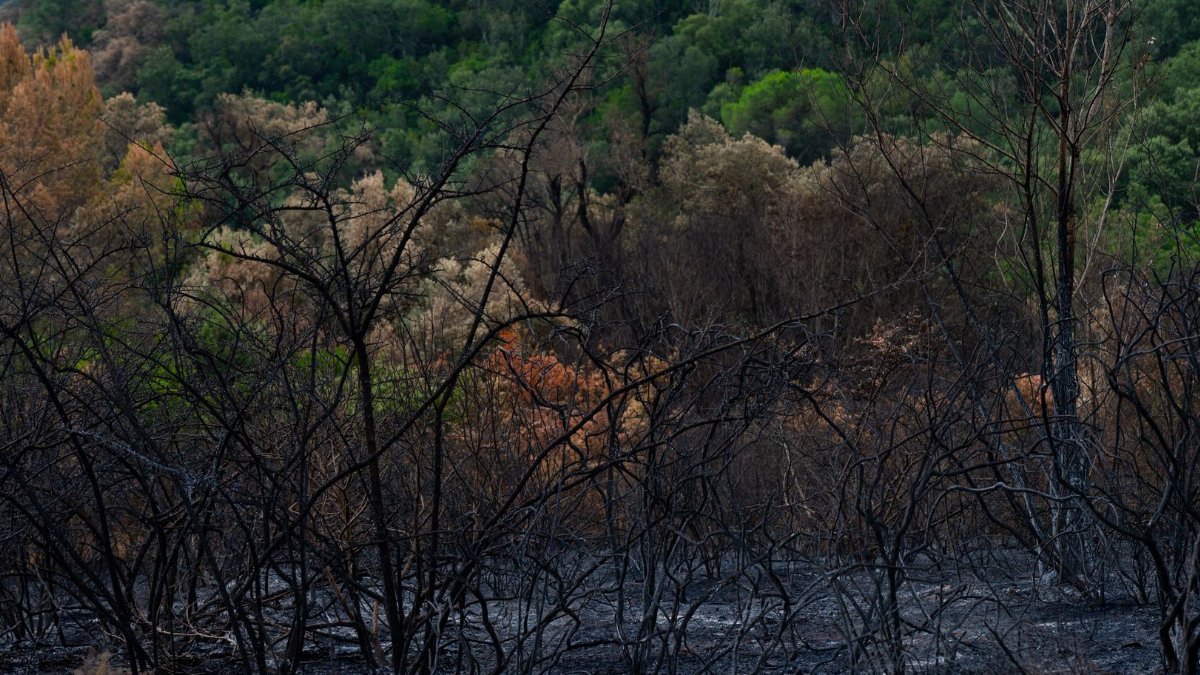
Biologists worry about habitat loss for deer, birds and smaller mammals that inhabit the mixed oak and pine woodlands. Ash layers now cover trails once used for recreation, and erosion risks rise with the next rain. Restoration plans will likely take years once the Dove Fire Sonora is fully contained.
Lessons from Past Sierra Nevada Fires
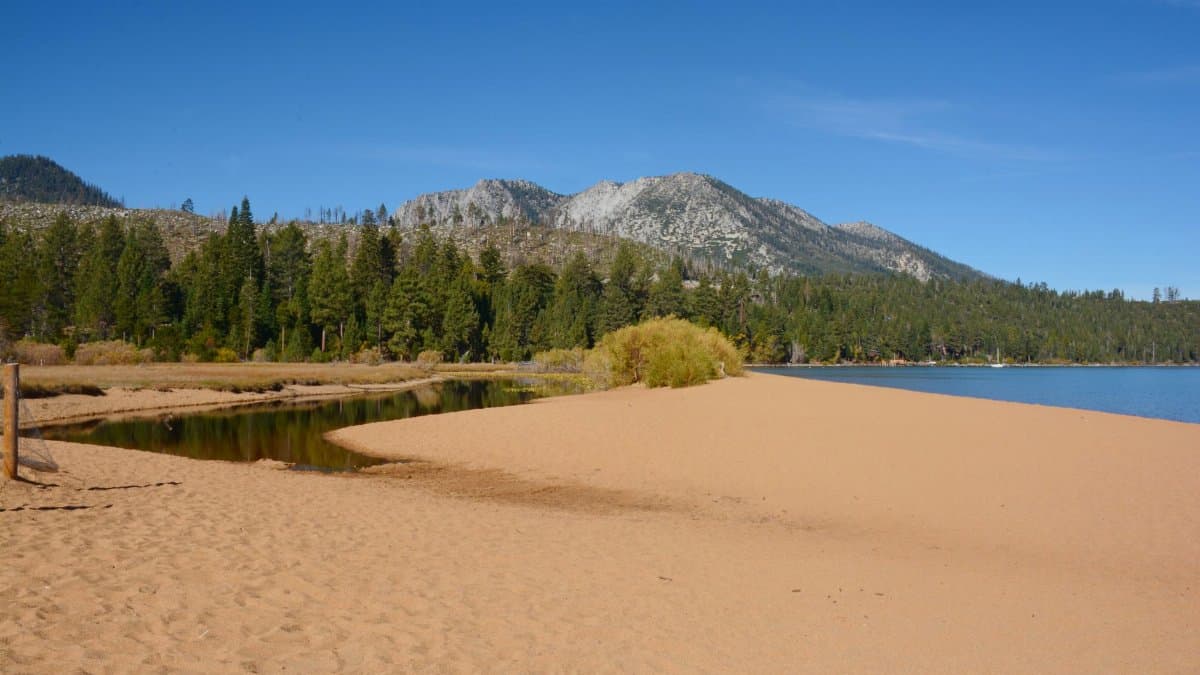
Records show repeated large burns in the region over recent decades, each prompting reviews of vegetation management and building codes. Earlier events led to improved early warning systems that proved useful this week. Officials hope current experience will further refine coordination between county, state and federal agencies.
Steps Toward Greater Community Readiness
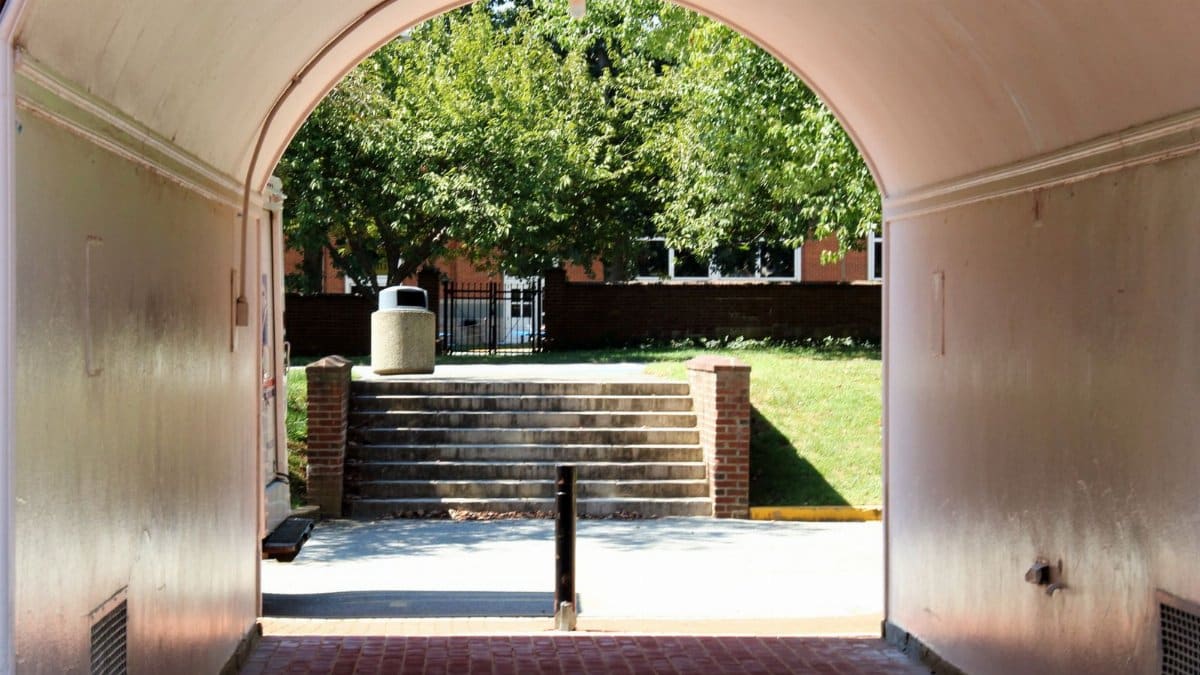
Workshops on defensible space and emergency kits are being scheduled for coming months. Leaders encourage residents to create personal evacuation plans and share them with relatives. Such preparation, they note, can reduce chaos when the next alert arrives in a landscape that remains prone to summer fire.