

In recent election cycles across Pennsylvania the political alignments have shifted in ways that defy easy expectations. Organized labor has long been viewed as a reliable pillar of Democratic support yet Pa labor unions have chosen to back two Republican members of Congress in districts that could tip the balance of power in Washington. This development highlights how local economic concerns and bipartisan records can outweigh national party labels when unions weigh their endorsements. The decisions involve Representative Brian Fitzpatrick in the suburbs north of Philadelphia and Representative Rob Bresnahan in the northeastern part of the state. Both have cultivated relationships with workers through consistent votes on infrastructure projects and job protections. Their approach appears to resonate with union members focused on practical outcomes rather than ideological purity.
Endorsements signal pragmatic approach by organized labor

Pa labor unions evaluate candidates based on specific legislative actions rather than party affiliation alone. In the case of Fitzpatrick and Bresnahan the groups examined voting records on bills affecting construction trades and manufacturing sectors. Union leaders noted steady support for funding that creates employment opportunities in their districts. This calculation reflects a broader strategy to maintain influence regardless of which party holds congressional majorities.
District dynamics favor candidates with cross party appeal
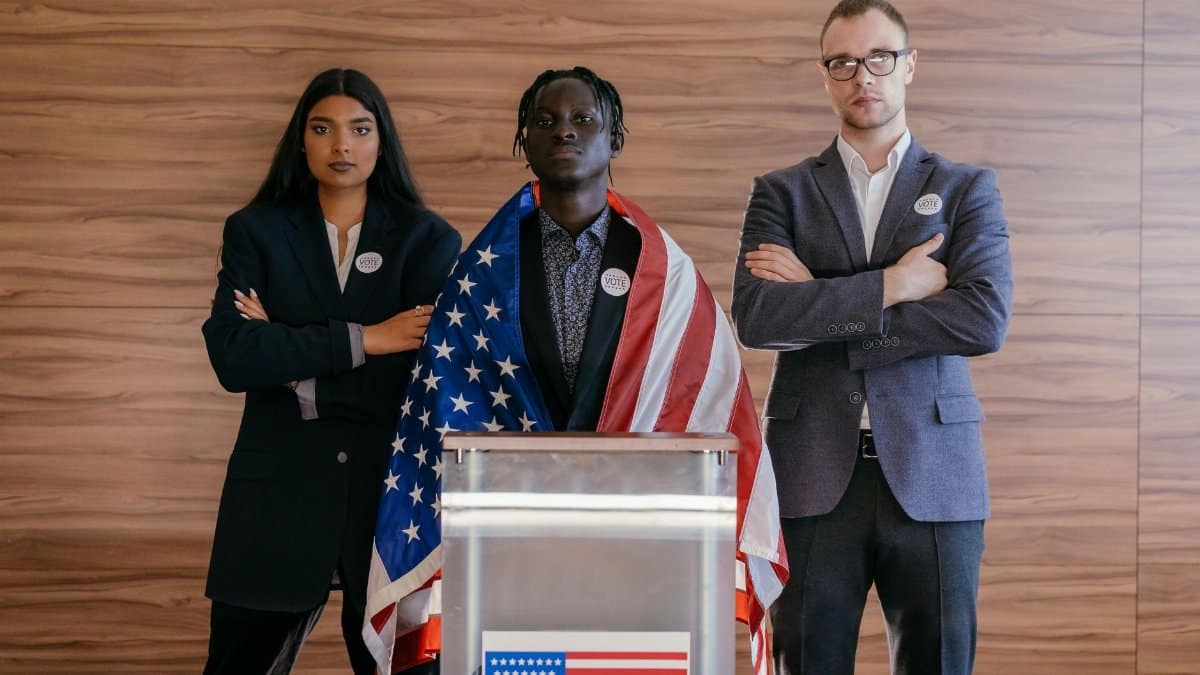
The districts represented by these lawmakers contain a mix of suburban and rural communities where manufacturing and service jobs remain central to the economy. Voters here often prioritize issues such as reliable energy supplies and transportation improvements. Pa labor unions see value in representatives who can deliver results on these fronts through committee work and coalition building across the aisle.
Union members weigh local job growth against national trends
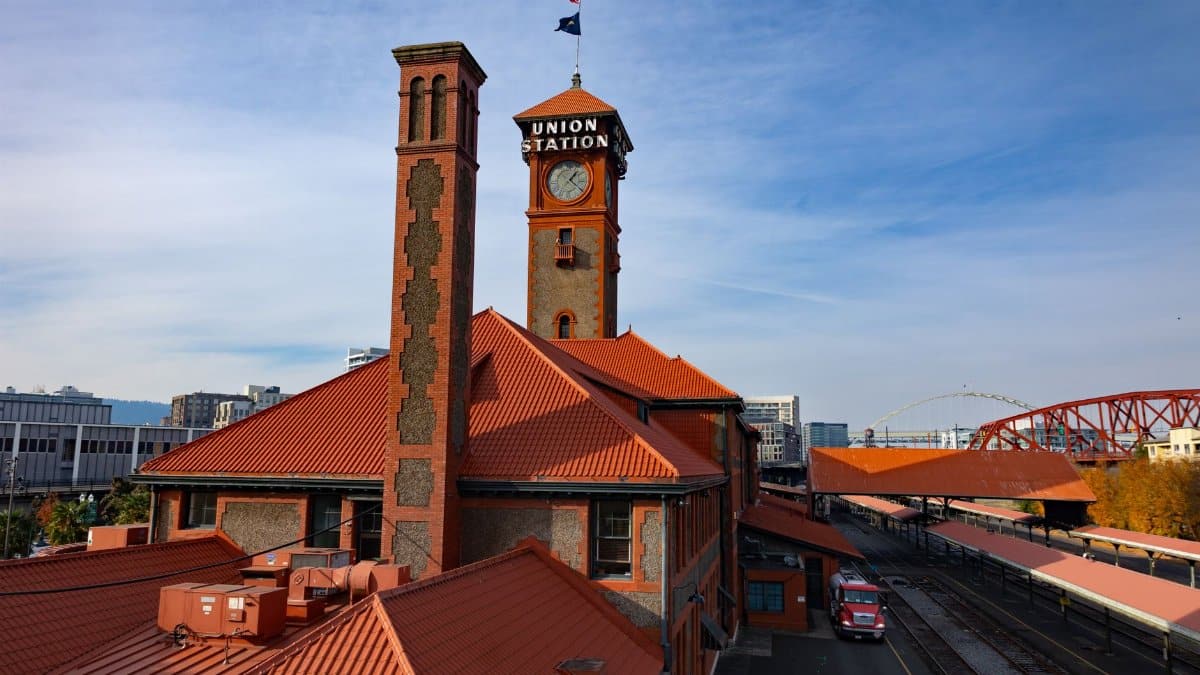
Workers in Pennsylvania continue to track employment data tied to public works projects and private sector investments. Many report that sustained backing for infrastructure legislation has produced tangible benefits in their communities. Pa labor unions communicate these observations directly to members during endorsement discussions to ensure decisions align with day to day realities on job sites.
Historical patterns of labor support in swing areas

Pennsylvania has seen periods when labor organizations extended endorsements to candidates from both major parties when circumstances warranted. Past examples include support for lawmakers who advanced workplace safety measures or apprenticeship programs. Current choices by Pa labor unions follow this established pattern of focusing on measurable policy impacts within the state.
Leadership perspectives on maintaining bipartisan ties
Officials within the unions describe the endorsements as efforts to keep lines of communication open on Capitol Hill. They emphasize that access to lawmakers from either party helps advance priorities such as expanded training funds and protections against unfair trade practices. Pa labor unions view this engagement as essential for long term stability in key industries.
Voter response in communities with strong union presence
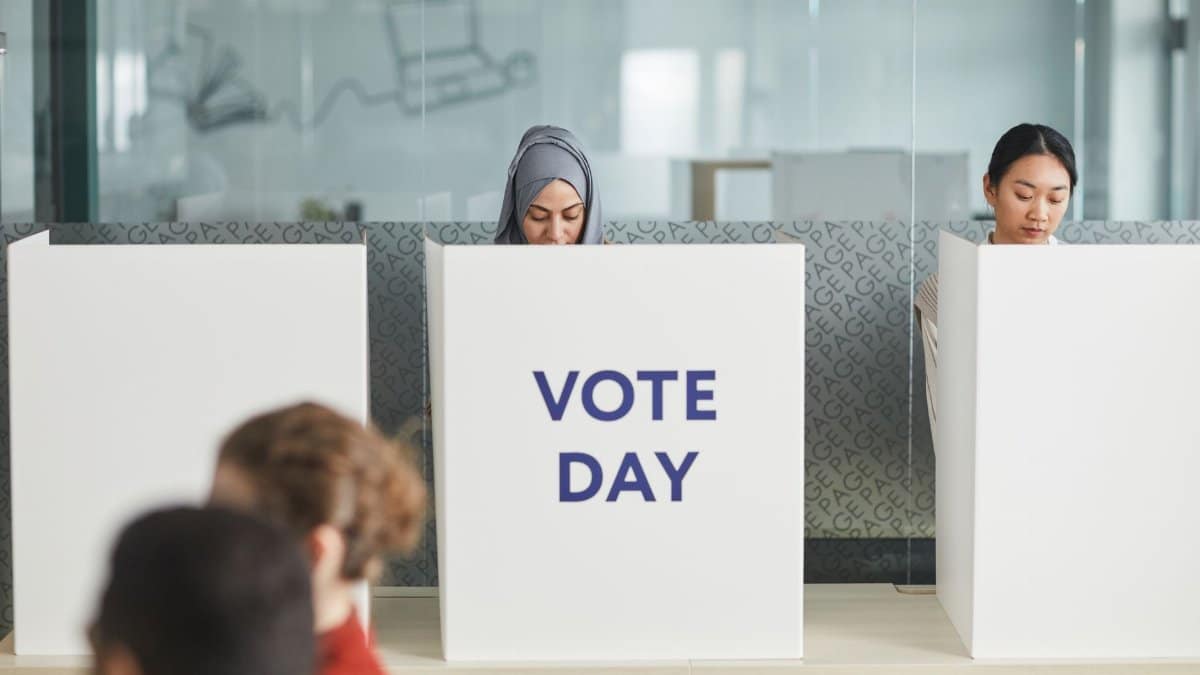
Residents in the affected districts have reacted with measured interest to the news of labor backing for Republican incumbents. Some express approval for representatives who have attended union events and addressed local concerns directly. Others remain cautious yet acknowledge the economic arguments presented by Pa labor unions during recent meetings.
Potential effects on upcoming congressional contests

The endorsements arrive at a time when control of the House remains uncertain and Pennsylvania seats could prove decisive. Analysts note that union support often influences turnout among working families in these areas. Pa labor unions anticipate that their involvement will encourage greater participation from members who might otherwise sit out the election.
Broader implications for labor strategy nationwide

Observers of organized labor point to the Pennsylvania example as one indicator of how unions adapt to divided government. By engaging representatives who demonstrate consistent attention to worker issues the groups aim to secure incremental gains. Pa labor unions continue to monitor developments in other states for similar opportunities to expand their reach through targeted endorsements.