
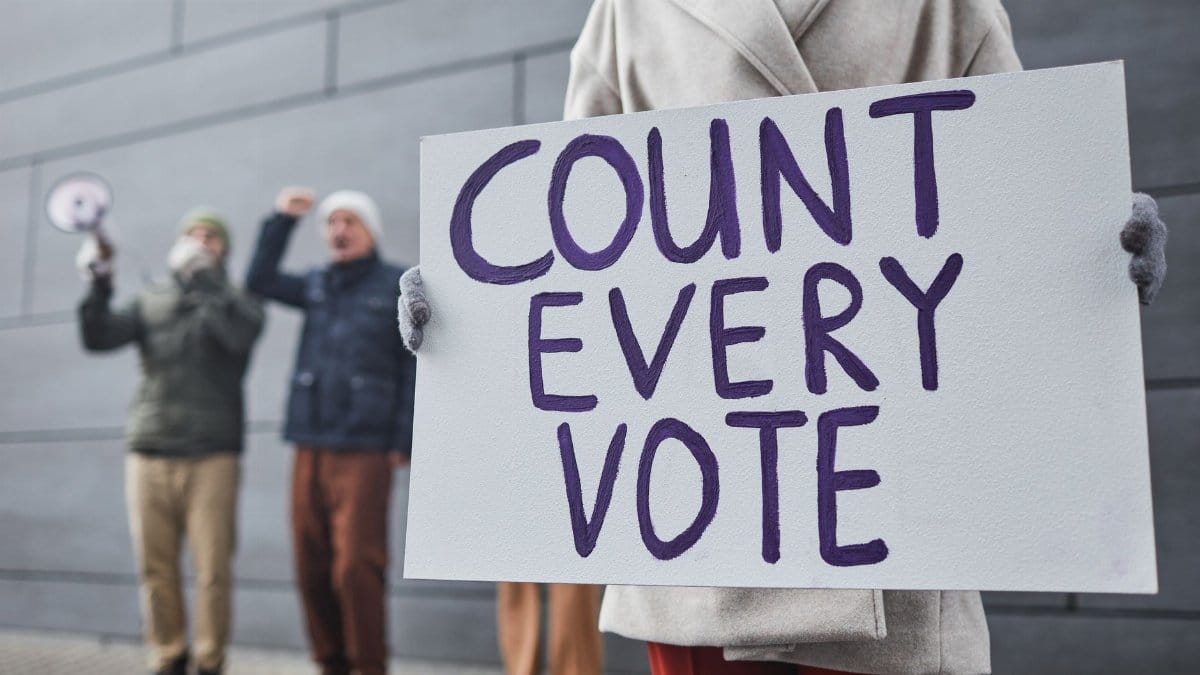
In the wake of recent elections observers have noted delays in tallying results across the state. This has raised questions about the efficiency of procedures and their impact on public trust. The California vote count has traditionally taken days or even weeks leaving voters in uncertainty. Experts are now looking at proposals to accelerate the process before November with an eye toward restoring confidence in outcomes.
Reviewing the Watchdog Report Details

A detailed examination of the findings reveals systemic issues in how ballots move through verification stages. The report points to outdated equipment and staffing shortages as primary factors slowing everything down. Lawmakers have taken note and are weighing options for upgrades that could make a real difference in future cycles.
Exploring Legislative Proposals for Faster Results
New ideas focus on allowing earlier processing of certain mail ballots and expanding the use of technology for signature checks. These changes aim to cut the time needed without sacrificing accuracy. Supporters argue that such steps would prevent the long waits seen in prior years.
Considering Impacts on Voter Confidence

When results drag on it can erode faith in the entire system. Middle aged citizens who follow politics closely often express frustration with the pace. Proposals seek to address this by setting clearer timelines and increasing transparency at each stage of the count.
Analyzing Equipment and Staffing Needs
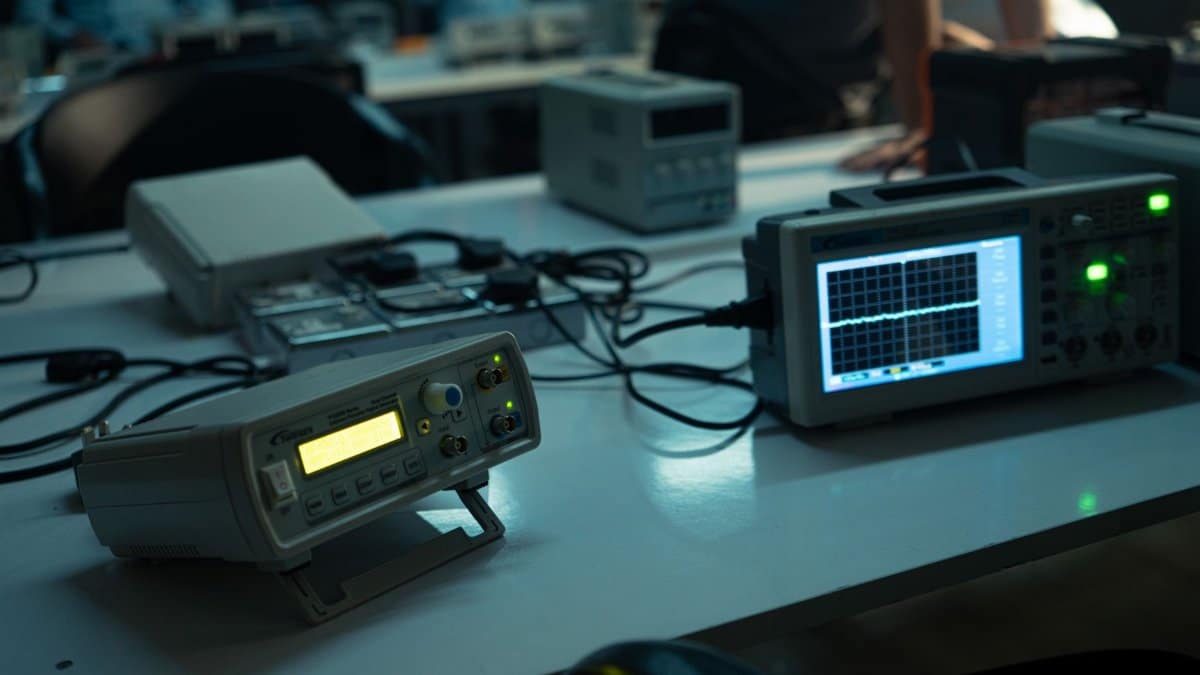
Many counties rely on aging machines that require frequent maintenance. Hiring and training additional workers ahead of peak periods could help ease bottlenecks. The report suggests targeted investments that would pay off in smoother operations overall.
Looking at Comparisons with Other States

Some states have adopted methods that allow quicker final tallies. California could learn from those examples while adapting them to its large and diverse population. This approach might offer practical solutions tailored to local conditions.
Discussing Potential Challenges in Implementation

Any reform effort faces hurdles including budget constraints and resistance from local officials. Careful planning will be essential to avoid new problems. Advocates emphasize the need for pilot programs to test ideas before full rollout.
Projecting Effects on the November Contests

With high stakes in the next round of voting timely results matter more than ever. The suggested changes could help ensure that the California vote count concludes sooner and with greater clarity. This would benefit candidates and citizens alike by reducing prolonged uncertainty.
Reflecting on Broader Trends in Election Administration
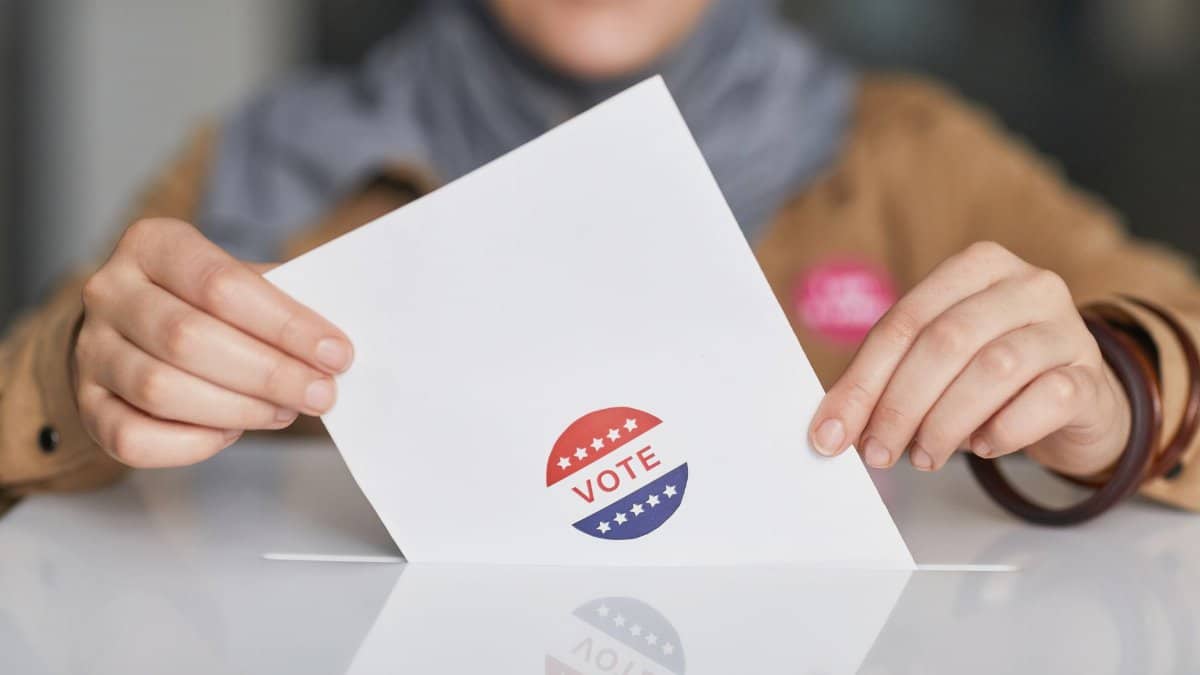
Across the country attention is turning to how ballots are handled after election day. The California vote count serves as a case study in both the difficulties and the opportunities for improvement. Ongoing discussions may influence practices far beyond state lines.