
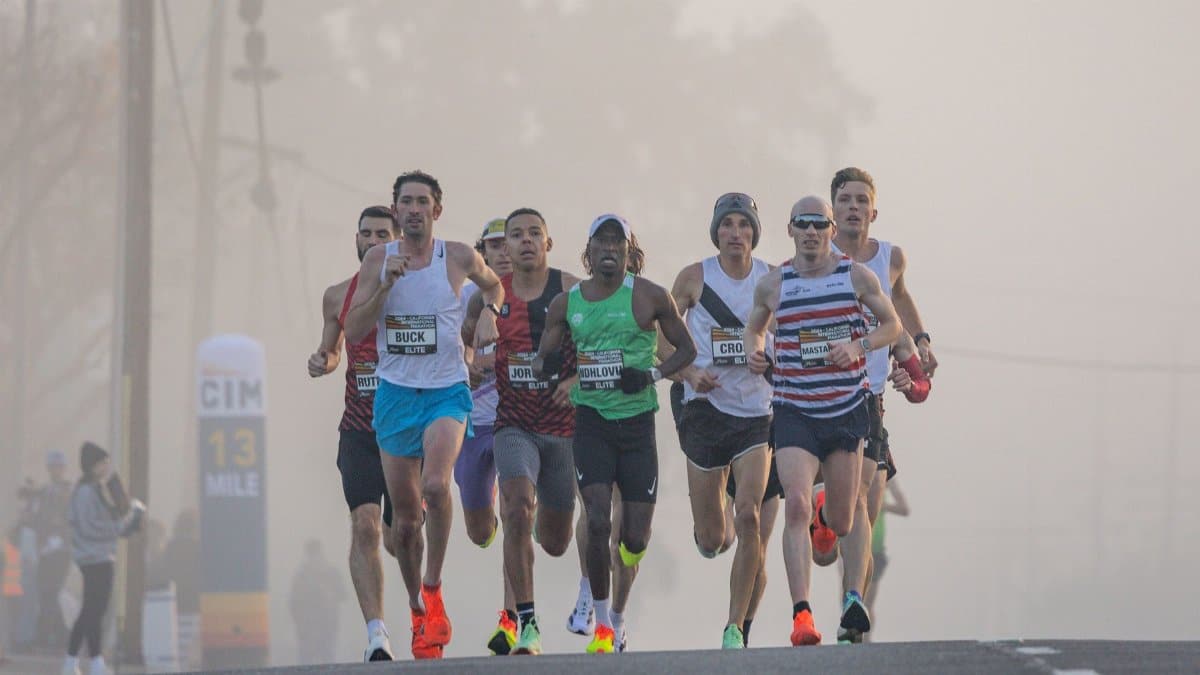
As the first light touches the towers of the Golden Gate Bridge a vast group of participants assembles at the starting line ready to confront a route filled with steep climbs sweeping views and unpredictable weather. This annual event draws people from across the nation and beyond each seeking to push personal boundaries on a path that winds past iconic landmarks and quiet neighborhoods alike. The San Francisco Marathon stands out for its combination of natural beauty and physical demands that leave many reflecting on their own resilience long after the finish line.
The Demanding Terrain That Defines the Race
Runners face a series of hills that rise sharply through residential streets and open parklands creating constant shifts in pace and effort. The route passes along waterfront paths before climbing toward elevated viewpoints where the city spreads out below in a mix of fog and sunlight. Many describe the experience as a test not only of legs and lungs but also of mental focus required to maintain steady progress amid changing conditions.
Record Numbers Gather for the Annual Event
More than thirty three thousand athletes crossed the finish line during the most recent edition marking one of the largest turnouts in recent memory. Organizers noted strong interest from first time participants as well as seasoned competitors returning for another attempt at the challenging course. Registration figures suggest growing appeal among middle aged adults who view the race as a meaningful way to mark personal milestones.
Community Support Along Every Mile
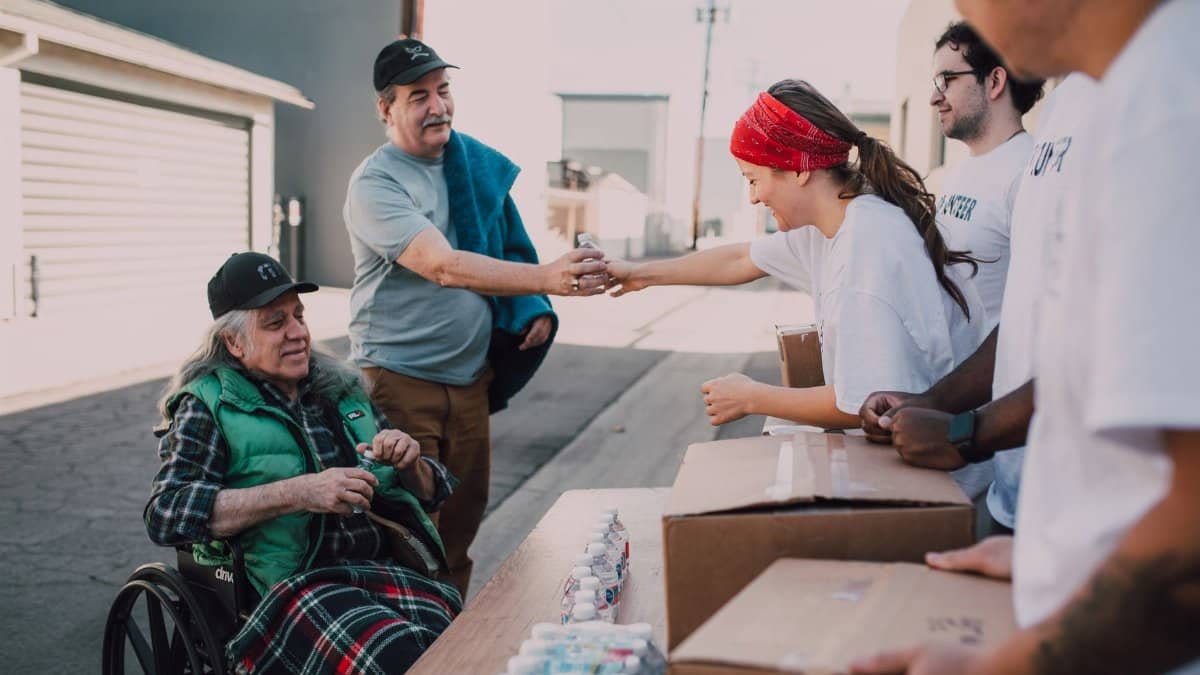
Spectators line the sidewalks in neighborhoods from the Embarcadero to the Presidio offering encouragement through cheers and handmade signs. Local volunteers staff aid stations with water and energy supplies while musicians perform at key points to lift spirits during tougher stretches. This collective energy creates a shared atmosphere that many runners credit with helping them reach the end.
Training Approaches That Build Readiness

Successful finishers often spend months preparing with long runs on similar inclines combined with strength work to protect joints and muscles. Coaches recommend gradual increases in distance alongside attention to nutrition and recovery practices that prevent common injuries. Groups meet regularly in city parks to simulate race conditions and foster accountability among members.
Stories of Personal Growth Through Endurance

Participants frequently share accounts of how preparation for the race prompted deeper self examination and renewed appreciation for daily movement. One runner spoke of overcoming doubts during months of early morning sessions that ultimately translated into greater confidence at work and in family life. Such reflections align with broader interest in activities that blend physical effort with opportunities for quiet contemplation.
Environmental Factors and Course Adjustments
Organizers monitor weather patterns closely given the potential for strong winds near the bridge and sudden changes in temperature across the route. Recent editions incorporated minor shifts in starting times to ease congestion and improve safety for all involved. These measures reflect ongoing efforts to balance the scenic appeal of the path with practical considerations for large crowds.
Looking Ahead to Future Editions

Planning is already underway for the next running with discussions about expanded virtual options for those unable to travel and new partnerships with local health organizations. Officials aim to maintain the event core character while adapting to evolving participant needs and urban development around key sections of the course. Interest remains high as word spreads about the unique rewards of completing this particular urban challenge.