

Recent court filings from the American Civil Liberties Union have drawn attention to conduct by immigration enforcement personnel in the Los Angeles region. Body camera recordings and internal communications obtained in the course of litigation show agents directing offensive language at Latino individuals during enforcement actions. The materials point to a pattern that raises questions about training standards and oversight in federal operations. This episode adds to ongoing debates about how such agencies carry out their duties in diverse communities across the country.
Footage from raids captures troubling exchanges

The videos depict agents interacting with residents in ways that go beyond standard procedure. Observers note repeated use of derogatory terms aimed at people based on apparent ethnicity. Such moments occurred amid efforts to locate individuals with removal orders. Community members who viewed the material expressed dismay at the tone and content.
Text messages reveal internal attitudes

Alongside the recordings, messages exchanged among team members included references that echoed the language caught on camera. These notes were shared in group chats during and after the operations. Legal teams argue the content indicates a lack of restraint that could affect how cases are handled in the field.
Impact on families in affected neighborhoods

Residents in the targeted areas described heightened anxiety following the incidents. Parents reported concerns about how their children might view interactions with federal personnel. Local organizations have begun offering support sessions to address the emotional fallout from the publicized material.
Agency response and internal review processes

Officials with the involved enforcement body have stated that they are examining the evidence presented in court. Policies already in place call for professional conduct during all encounters. Yet advocates question whether existing review mechanisms prove sufficient when problems surface.
Broader context of enforcement practices

This situation fits into larger conversations about methods used in immigration work nationwide. Data from various regions show variations in complaint rates tied to agent behavior. Experts suggest improved screening and ongoing education might reduce such occurrences over time.
Role of advocacy groups in obtaining evidence
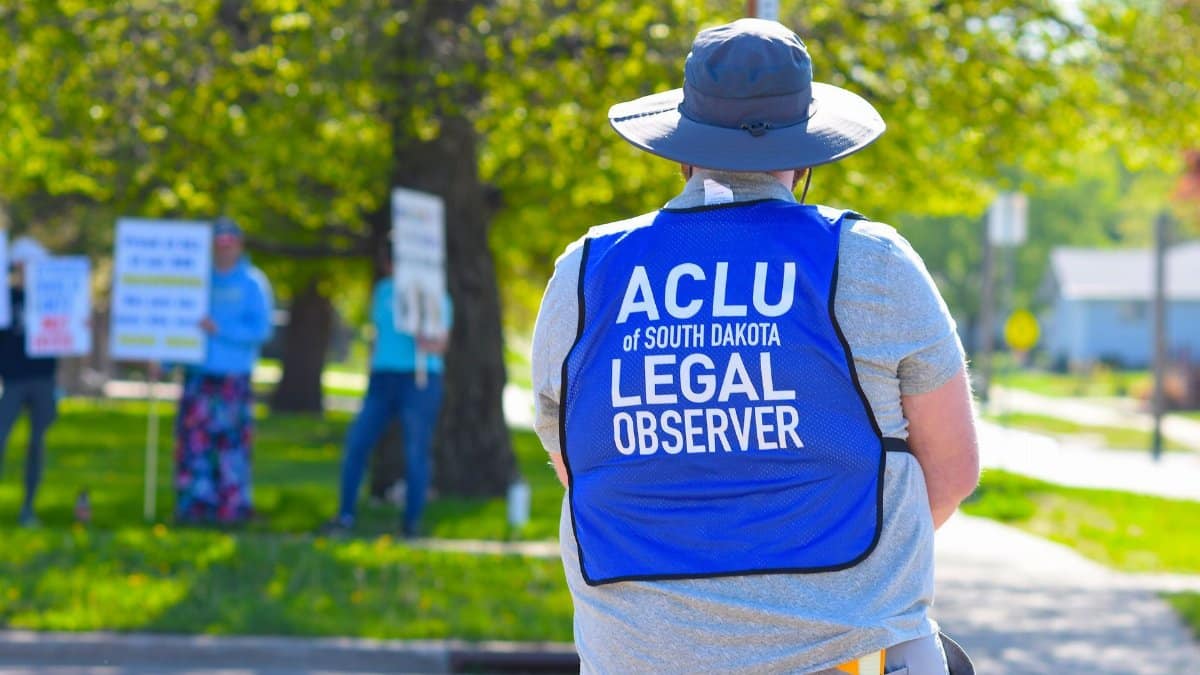
The ACLU secured the recordings and messages through standard discovery procedures in ongoing litigation. Their filings have prompted public discussion about transparency in federal actions. Similar efforts by other organizations have brought forward comparable concerns in past years.
Views from former personnel on workplace culture

Some individuals who previously served in comparable roles describe environments where casual remarks could go unchallenged. They emphasize the need for clear leadership that sets expectations from the start of each assignment. Retention of staff who uphold standards remains a noted priority.
Effects on trust between communities and authorities

Relations between enforcement teams and the public can suffer when incidents like these become known. Surveys in urban centers indicate lower willingness among some groups to cooperate with routine inquiries. Building back confidence requires consistent demonstration of accountability.
Legal implications for ongoing cases

Defense attorneys in removal proceedings have cited the newly available material when arguing for case reviews. Judges may consider whether procedural fairness was maintained throughout the process. Outcomes could influence how future operations are documented and supervised.
Training programs under scrutiny

Current preparation courses for agents focus on legal requirements and safety protocols. The recent disclosures have led some lawmakers to call for additions that address interpersonal conduct more directly. Evaluations of existing modules continue as part of wider reforms.
Comparisons with past incidents nationwide

Similar reports have emerged from other jurisdictions over the last decade. Patterns in those instances often involved isolated teams rather than agency wide directives. Lessons drawn from earlier episodes inform current discussions on prevention.