
In the wake of a recent tragedy on a busy Boston thoroughfare a dedicated cyclist lost her life prompting swift action from city leaders. The response comes as part of Wu street safety plans that focus on practical upgrades to protect vulnerable road users while maintaining smooth traffic flow for everyone involved.
Background on the Tremont Street Incident
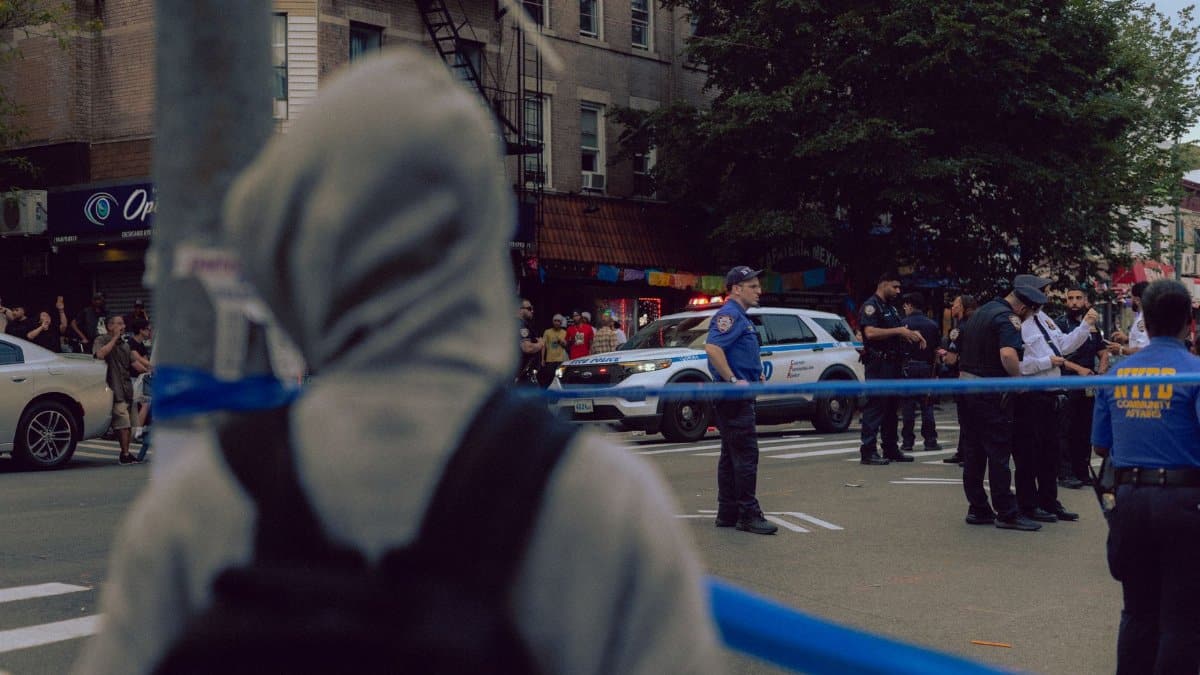
The fatal crash occurred during evening rush hour when a motorist struck the cyclist near a busy intersection. Witnesses described the scene as chaotic with emergency responders arriving quickly yet unable to save the victim. This event has renewed calls for better infrastructure across the city drawing attention to patterns of similar accidents in prior years. Community members gathered afterward to share stories and push for change highlighting how one loss ripples through neighborhoods and families alike.
Details of the Proposed Upgrades

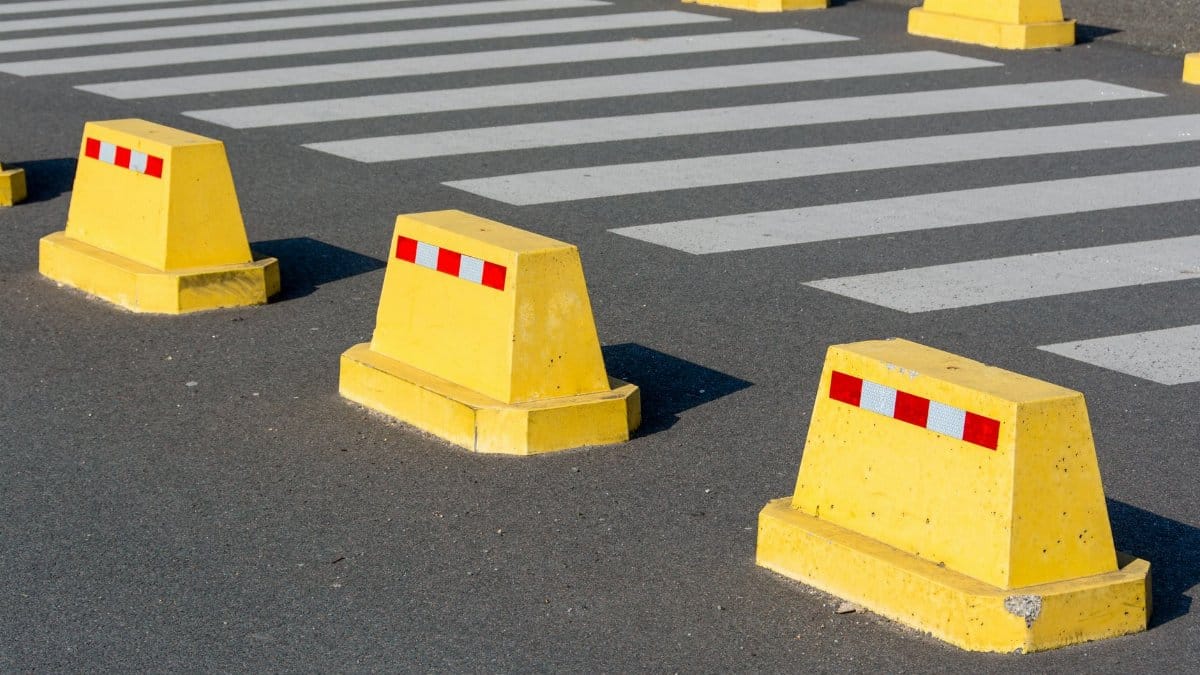
Wu street safety plans call for additional concrete barriers at key spots along major routes. These structures would separate bike lanes from car traffic creating clearer boundaries that reduce collision risks. Officials also intend to increase parking enforcement teams to clear sidewalks and curb areas that often obstruct visibility for drivers and cyclists.
Role of Signal Improvements
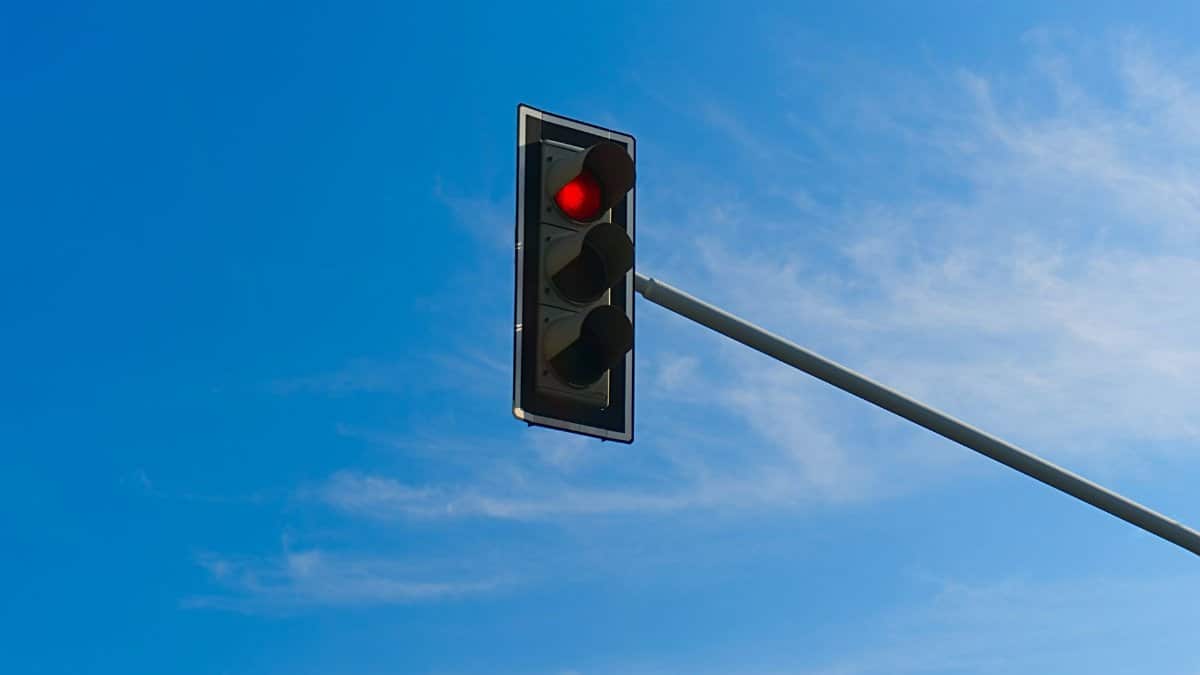
New traffic signals with longer intervals for pedestrians and bikes form another core element. Sensors would adjust timing based on real time conditions allowing safer crossings during peak periods. Such technology has shown promise in other cities where implementation led to measurable drops in incidents.
Community Reactions and Input

Local advocacy groups welcomed the announcements yet urged faster timelines for full rollout. Residents noted that past efforts sometimes stalled due to budget constraints or competing priorities. Meetings held in recent weeks gave voice to concerns from business owners who worry about delivery access amid stricter parking rules.
Broader Context of Urban Mobility Trends
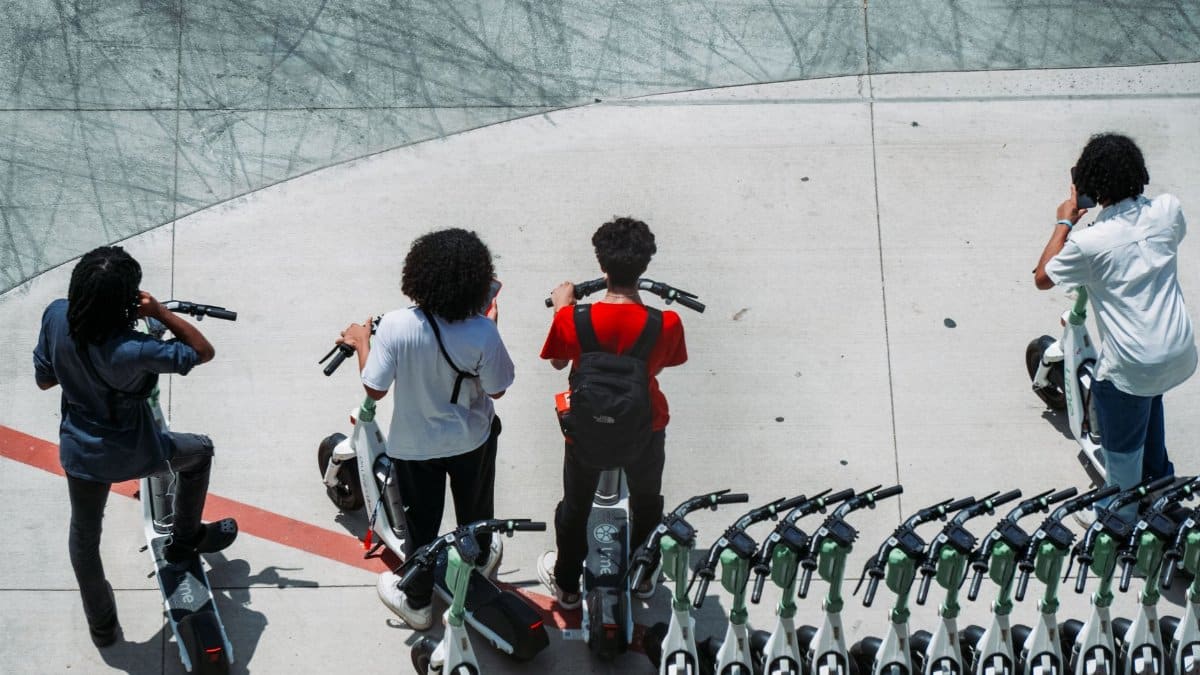
Boston like many American cities has seen rising numbers of people choosing bikes for daily commutes amid concerns over congestion and air quality. This shift brings benefits for personal health and environmental goals but also exposes gaps in existing street designs. Wu street safety plans aim to bridge those gaps through targeted investments rather than sweeping overhauls.
Funding Sources and Timeline

City budgets combined with state grants would support the initiatives with work expected to begin within months. Planners emphasize phased construction to minimize disruptions during implementation. Regular updates to the public will track progress and allow adjustments based on early feedback.
Comparisons with Other Cities
Similar approaches in places like New York and Chicago have produced positive outcomes including fewer severe crashes at protected intersections. Boston officials studied those examples while tailoring measures to local street layouts and weather patterns. The result is a balanced package that addresses both immediate hazards and longer term needs.
Impact on Daily Life for Residents
Everyday commuters may notice changes in how they navigate familiar routes once barriers and signals are in place. Drivers could face more limited parking options near certain blocks encouraging use of garages or public transit. Cyclists on the other hand stand to gain dedicated space that feels more secure during busy hours.
Future Monitoring and Adjustments

Data collection will play a central part in evaluating the success of Wu street safety plans over the coming year. Sensors and reports from users will inform any needed refinements to keep the system responsive. This ongoing process reflects a commitment to evidence based improvements rather than one time fixes.