

In the quiet suburbs outside Los Angeles a retired teacher named Elena Vargas discovered her trusted travel privileges had been stripped away without warning after she observed immigration enforcement actions as a legal volunteer. Her experience forms the core of the DHS protester lawsuit that challenges federal practices of monitoring and penalizing citizens who document public events. Court papers filed on July 24 2026 describe how agents allegedly collected data on peaceful observers through methods normally reserved for criminal suspects and then applied those records to cancel trusted traveler status for several individuals.
The Origins of Surveillance Claims
Federal records reviewed in the case indicate that monitoring began after small groups gathered near border facilities to note vehicle movements and agent conduct. Plaintiffs argue that such observation represented protected speech rather than any threat. Attorneys point to internal agency memos that grouped these observers with organized activist networks despite a lack of evidence linking them to illegal acts.
How Global Entry Revocations Unfolded
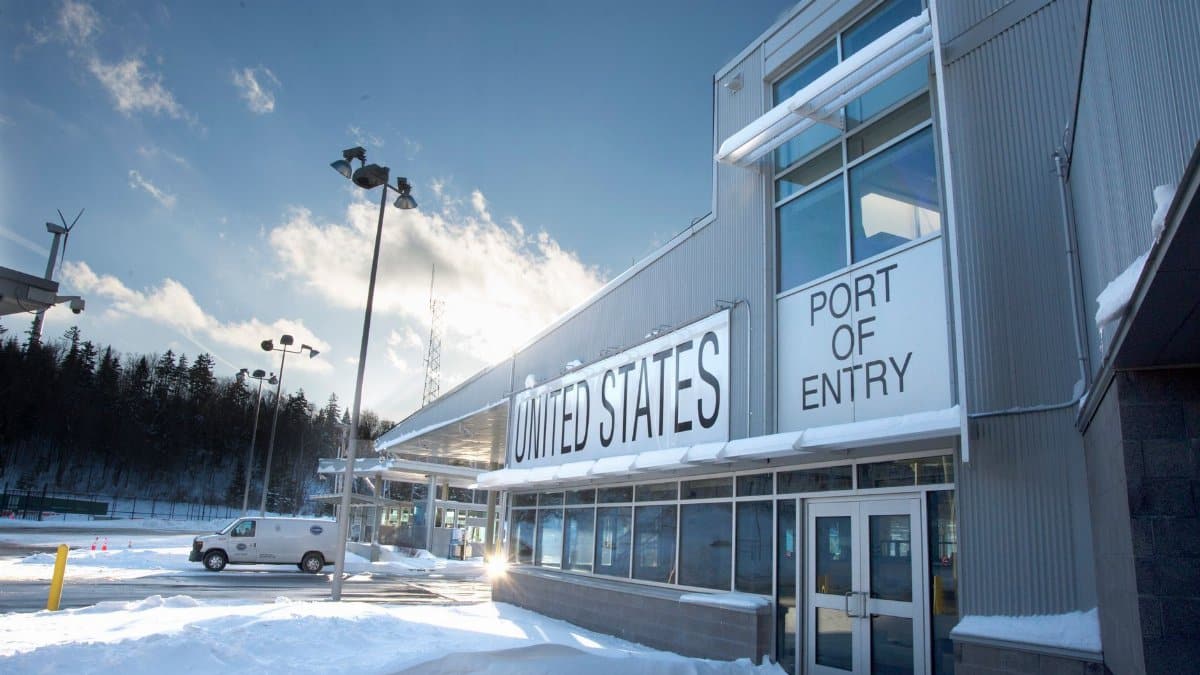
Global Entry allows expedited clearance for frequent international travelers yet the program permits removal for any reason tied to security concerns. In this instance the agency cited participation in public observation activities as justification for termination. Several plaintiffs reported learning of the action only when they arrived at airports and faced secondary screening that lasted hours.
Legal Arguments Presented in Court

Lawyers for the plaintiffs contend that the surveillance violated First Amendment protections by targeting lawful assembly and documentation. They further claim that the subsequent penalties amounted to viewpoint discrimination since similar observers aligned with agency positions faced no consequences. Government attorneys have responded that all actions remained within existing regulatory authority for traveler screening.
Impact on Affected Individuals

Beyond travel disruptions the revocations created professional setbacks for those whose work requires frequent crossings. One plaintiff described losing contracts that depended on reliable movement between the United States and Canada. Families reported canceled vacations and increased costs for standard screening processes that replaced the expedited lane.
Broader Questions of Oversight

The filing raises issues about how agencies balance security screening with public accountability measures. Civil liberties groups have filed supporting briefs noting that similar data collection practices have expanded in recent years across multiple departments. They urge judicial review to clarify limits on monitoring citizens who engage in routine civic observation.
Agency Response and Policy Context

Officials at the Department of Homeland Security declined detailed comment on active litigation yet pointed to longstanding rules that allow revocation based on any information suggesting elevated risk. Internal guidelines permit use of open source material and field reports when assessing eligibility for trusted traveler programs.
Next Steps in the Judicial Process

A federal judge in California has scheduled preliminary hearings for late summer to address motions on discovery and standing. Both sides anticipate requests for internal agency documents that could reveal the scope of data sharing between enforcement teams and screening offices. Observers expect the case to test boundaries around how protest related information enters routine administrative decisions.