
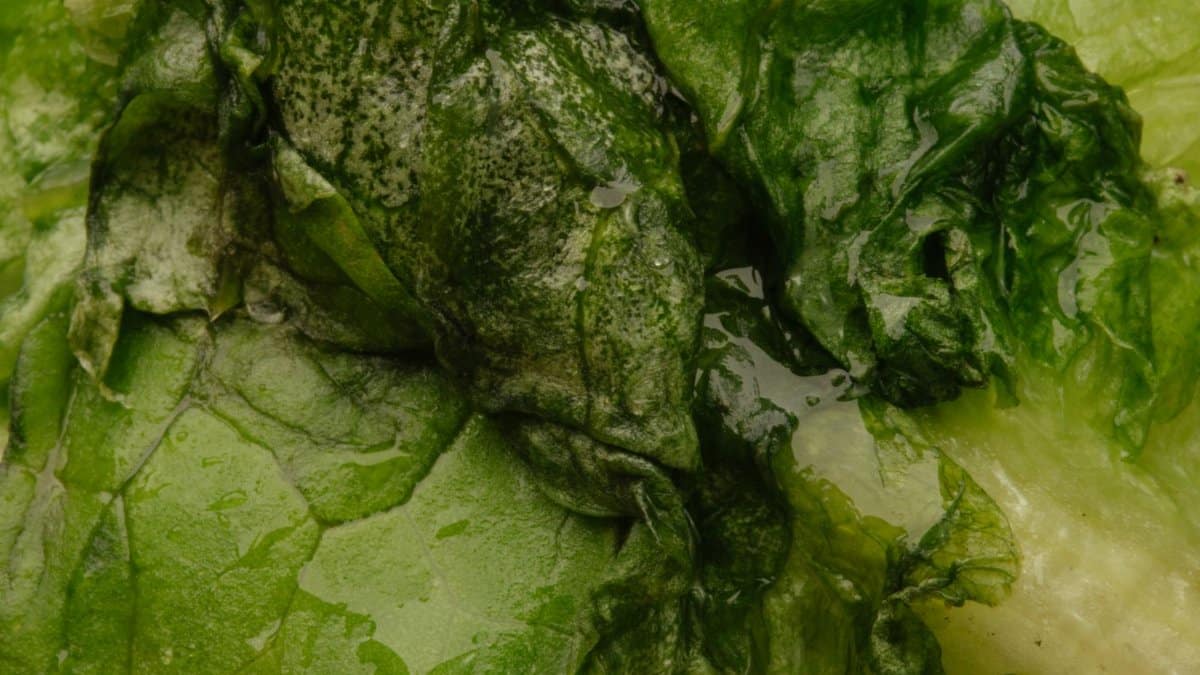
Health officials have connected a wave of parasitic infections to a popular fast food item. Diners in several regions reported severe stomach issues after meals involving fresh toppings. Cyclospora lettuce outbreak has now been confirmed in four states, leading investigators to examine how produce reaches restaurant kitchens and what steps might limit future risks for everyday consumers.
Tracing the Path from Farm to Table

Investigators followed shipments of shredded lettuce through distribution networks. Records showed the greens passed through multiple handlers before arriving at locations where people fell ill. This careful tracking revealed weak points in handling that allowed contamination to persist undetected for weeks.
States Reporting Confirmed Cases

Illinois recorded the first alerts, followed quickly by similar reports from Kansas, Oklahoma and Pennsylvania. Public health teams in each area compared patient interviews and meal receipts. Their combined data pointed to one common source rather than separate local problems.
Symptoms That Prompted Medical Visits

Those affected described prolonged fatigue, watery diarrhea and nausea lasting more than a week. Many required hospital care before recovering. Doctors noted that standard antibiotics offered little relief, forcing reliance on supportive care while the body cleared the parasite on its own.
Role of Fast Food Chains in the Investigation

One national chain became the focus after numerous patients named the same menu item. Managers at affected outlets cooperated with inspectors by pulling remaining stock and sharing preparation logs. The cooperation helped narrow the window during which the contaminated batches were served.
How Public Health Agencies Coordinated

State laboratories shared genetic fingerprints of the parasite strains. This rapid exchange confirmed that cases in different states stemmed from the same supplier lot. Federal partners then issued guidance to restaurants nationwide about inspecting incoming produce more closely.
Lessons for Produce Safety Practices
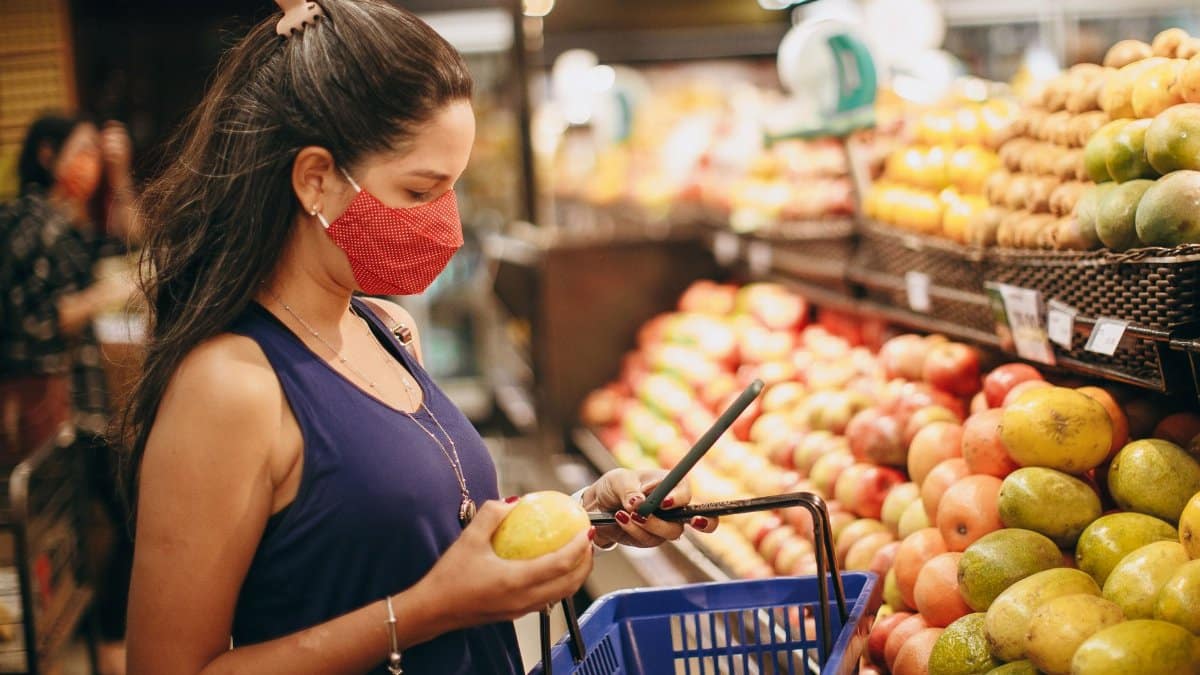
Experts stress that washing alone does not remove all parasites from leafy greens. Growers are urged to improve water quality testing at fields and packing houses. Restaurants may need to verify that their suppliers follow stricter sanitation rules throughout the growing season.
Advice for Diners Seeking to Lower Risk

People can ask restaurants about the origin of fresh ingredients or choose cooked options when concerned. Home cooks should rinse produce thoroughly and store it properly to slow bacterial growth. These small habits add a layer of protection during periods when outbreaks are active.
Looking Ahead at Supply Chain Reforms

Industry groups are reviewing traceability requirements so contaminated lots can be identified faster. New technology for tracking crates from field to store could shorten response times in future events. Such changes would benefit both businesses and the public by reducing the scale of any similar incident.