

In a bustling courtroom in Austin the air grew thick with anticipation as representatives from a West Texas district presented their case against longstanding state regulations. The proceedings underscored deep frustrations with how property tax revenues are allocated for public education. This legal action spotlights Midland school funding and raises questions about local control in an era of tightening state oversight.
Roots of the Current Dispute

The lawsuit stems from rules that cap how much revenue districts can retain from local property taxes. Officials argue these limits prevent communities from investing adequately in classrooms and teacher salaries. Midland has seen rapid growth yet struggles to keep pace with demands for modern facilities.
Property Tax Authority at Stake

At the heart of the matter lies the authority of local boards to set rates without excessive state intervention. The district claims the current framework effectively strips away decision making power that voters entrusted to elected officials. This dynamic affects how funds flow to support daily operations and long term planning.
Broader Effects on Texas Districts

Similar challenges have surfaced in other growing areas where enrollment surges outstrip available resources. When state formulas fail to account for local economic realities communities face difficult choices about program cuts or higher burdens on homeowners. Midland school funding serves as a test case for whether such imbalances can be corrected through the courts.
Student Outcomes in Focus

Advocates emphasize that inadequate resources translate directly into larger class sizes and fewer enrichment opportunities. Teachers report spending personal funds on supplies while administrators delay maintenance projects. The outcome for young people in Midland remains tied to resolving these finance hurdles.
State Officials Respond
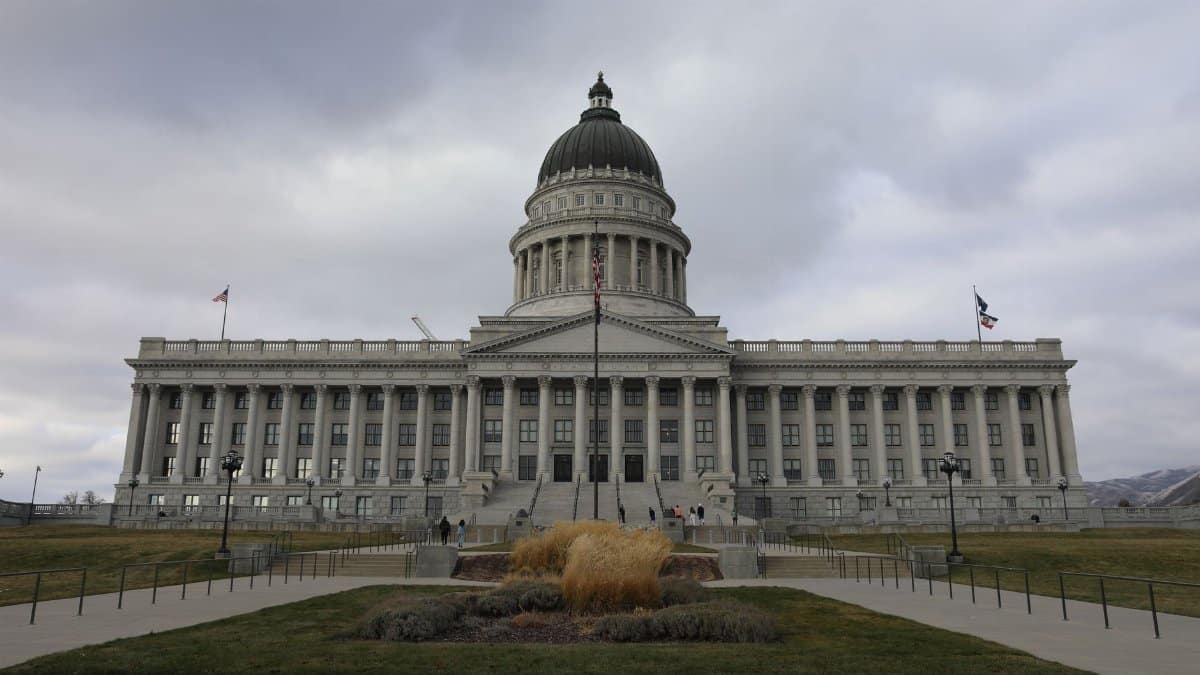
Lawmakers in Austin defend the system as a way to ensure equitable distribution across urban and rural areas alike. They point to existing aid programs designed to assist property poor districts. Critics counter that the formulas overlook unique pressures in energy rich regions like Midland.
Economic Context in Midland

The local economy driven by oil and gas activity creates volatile property values that complicate budgeting. Sudden booms bring revenue spikes followed by unpredictable downturns. School leaders seek more flexibility to manage these cycles without state imposed restrictions.
Legal Precedents and Arguments
Attorneys for the district draw on earlier court rulings that affirmed local rights in education finance. They contend the present rules violate constitutional principles of local governance. The case could set important boundaries for future policy making.
Community Voices Emerge

Parents and business leaders in Midland express support for the suit citing concerns over school quality and workforce readiness. Public forums reveal a shared desire for transparent discussions about revenue needs. Engagement has grown as awareness of the lawsuit spreads.
Potential Paths Forward

If successful the challenge might prompt revisions to funding formulas that better balance state goals with local needs. Negotiations could involve pilot programs allowing greater rate setting freedom. Observers watch closely for signals from the bench on how far judicial intervention might reach.
Looking Beyond the Courtroom

Resolution of this matter carries weight for education policy nationwide as states grapple with similar equity issues. Midland school funding illustrates the intersection of local ambition and centralized control. Continued dialogue among stakeholders offers the best hope for sustainable solutions that serve students effectively.