

In recent months a dramatic rupture along Sunset Boulevard sent water gushing through city streets and forced residents to confront the reality that many vital systems below ground have reached advanced age. The incident came just days after a smaller leak nearby, drawing attention to how LA aging pipes mirror the strains felt by longtime public workers who continue serving despite growing limitations. Observers note that these conduits, some installed before the Second World War, now carry the weight of a sprawling metropolis that has grown far beyond original expectations. City crews worked through the night to restore service while engineers assessed whether similar weaknesses lurk elsewhere in the network. The event also sparked quiet conversations among longtime Angelenos about what it means to inherit infrastructure built by previous generations.
Comparing Infrastructure to Human Endurance

Los Angeles officials have begun describing the pipe network in terms usually reserved for experienced employees. Many lines exceed eighty years in service, and a portion surpass a century. Crews report that breaks often occur during peak demand periods when pressure rises, much as older bodies face greater risk during stressful tasks. This parallel encourages planners to think beyond quick fixes toward sustained support systems that honor the contributions of aging assets.
Historical Decisions That Shaped the Network

Early twentieth century growth pushed builders to lay pipe rapidly across expanding neighborhoods. Materials chosen then met standards of the era yet lacked coatings that later science would recommend. Records show that some sections followed routes convenient for new subdivisions rather than optimal engineering paths. Those choices now require crews to navigate dense urban layers when repairs become necessary.
Financial Pressures on Long Term Upgrades

Replacing every vulnerable segment would demand billions spread across multiple decades. Rate adjustments have covered portions of recent projects while state and federal grants supply additional support. Analysts emphasize that deferring work only raises eventual costs when emergency responses multiply. Budget discussions therefore focus on steady annual commitments rather than sudden large outlays.
Community Effects During Service Interruptions
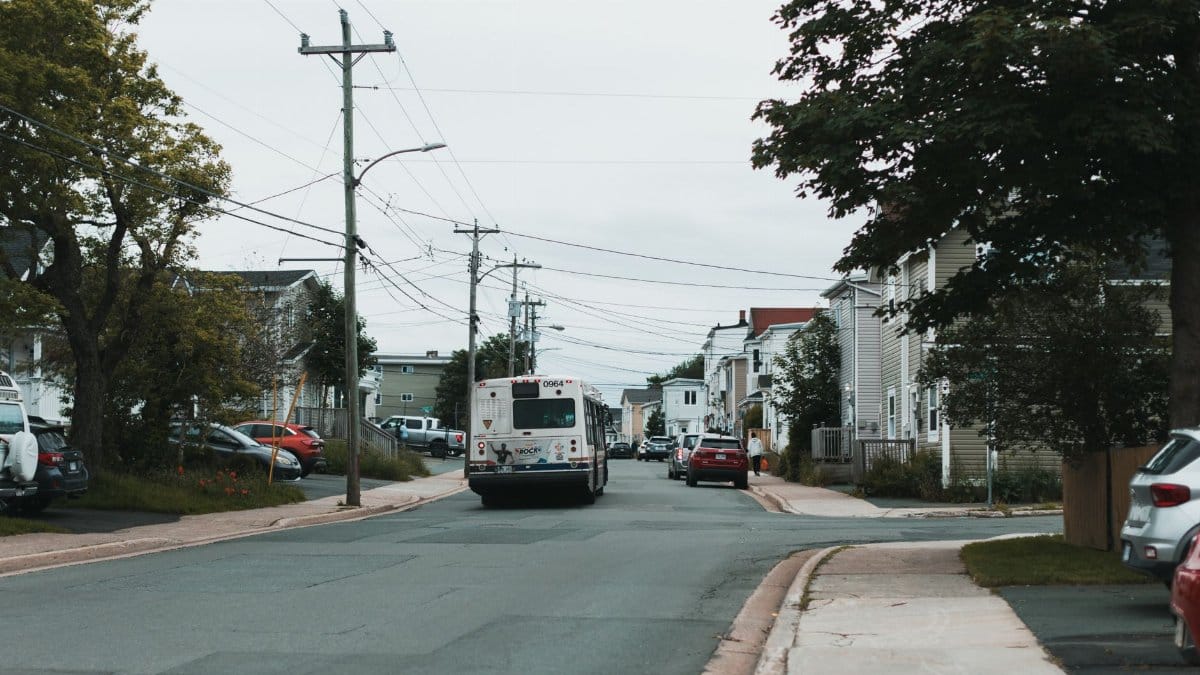
Residents in affected blocks often face boil water notices and temporary loss of pressure for cooking and cleaning. Schools and hospitals maintain backup supplies yet still experience disruption to daily routines. Neighborhood associations have formed informal networks to share information and assist elderly neighbors who may need extra help during outages.
Engineering Advances That Extend Service Life

New lining techniques allow crews to reinforce interior walls without full excavation. Sensors placed at key junctions transmit pressure and flow data that help predict trouble before visible leaks appear. These methods reduce street closures and limit noise for surrounding households while still addressing the core weaknesses in LA aging pipes.
Lessons From Other Cities Facing Similar Issues
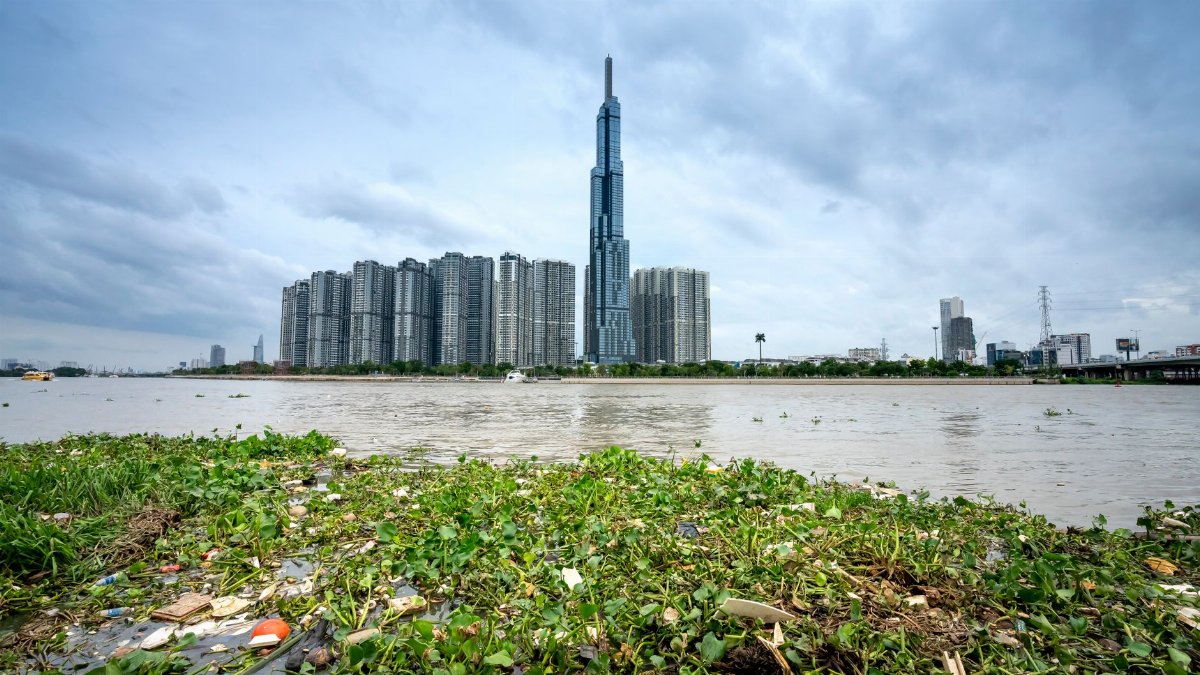
Philadelphia and Chicago have documented success with targeted replacement programs that prioritize the oldest segments first. Their experiences show that combining data analysis with consistent funding yields measurable drops in emergency calls. Los Angeles planners have studied those models while adapting them to local soil conditions and seismic considerations.
Public Awareness and Stewardship Responsibilities

Educational campaigns now encourage households to report unusual dampness or low pressure promptly. Conservation measures during dry seasons also ease stress on the entire system. Residents increasingly view reliable water delivery as a shared civic duty rather than an invisible background service.
Reflections on Legacy and Future Readiness

The pipes beneath Los Angeles represent decisions made by earlier builders who could not foresee today’s population or climate patterns. Maintaining them requires the same patience and foresight those builders once showed. In that sense the current generation faces an opportunity to pass along dependable infrastructure to those who follow.