
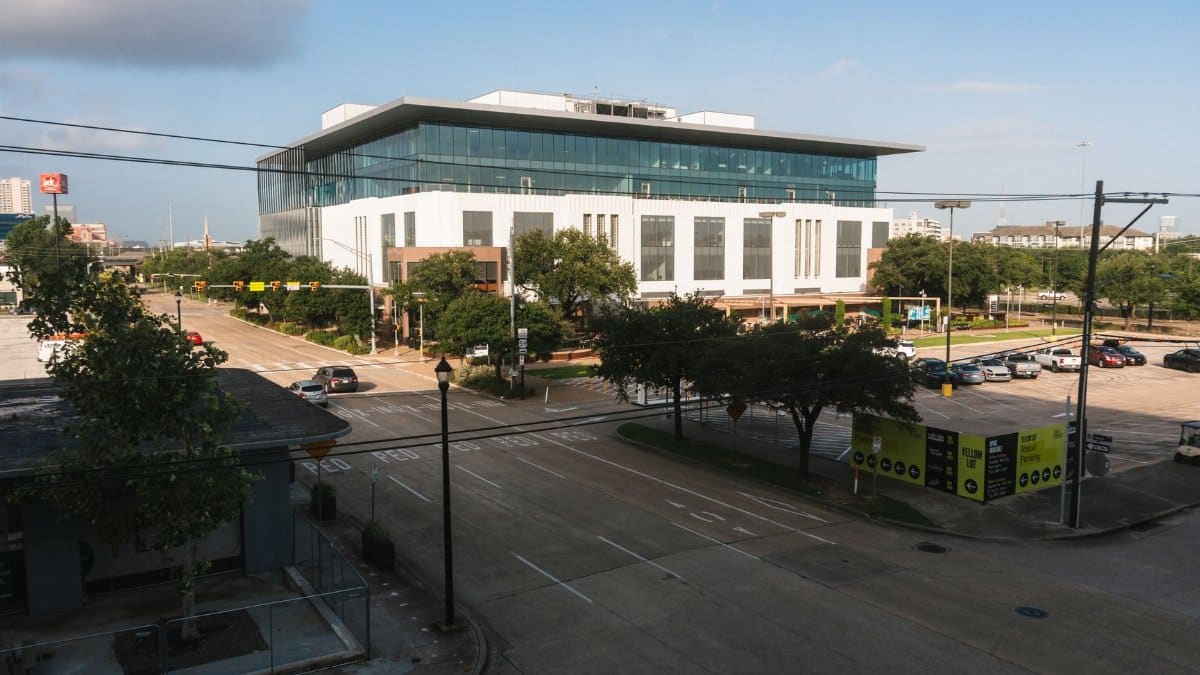
In the world of professional football ownership a single decision can ripple across markets and communities alike. The recent sale of a major property asset connected to one of the leagues most prominent teams highlights shifting strategies in commercial real estate. This transaction centers on Jerry Jones The Star a sprawling development in Frisco Texas that has long served as a hub for team operations and related businesses. Observers note how such moves reflect broader economic pressures even as the Cowboys continue to draw massive fan interest and revenue.
Background on the Frisco Development Site
The Star emerged over the past decade as a mixed use campus designed to blend team headquarters with retail dining and office space. Located north of Dallas it attracted companies seeking proximity to the Cowboys brand and its associated prestige. Local leaders viewed the project as a catalyst for growth in an area once dominated by open fields and suburban expansion.
Details of the Recent Property Sale

Blue Star Land completed the transfer of a 300000 square foot office tower to Hobbs Brook Real Estate. The deal marks a notable exit from direct ownership of that specific structure though the seller retains other holdings within the larger campus. Terms of the agreement remain private yet analysts suggest the price aligned with current market values for premium suburban office assets.
Role of Jerry Jones in Team and Property Ventures

Jerry Jones has guided the Cowboys since acquiring the franchise in 1989 turning it into one of the most valuable sports properties globally. His involvement extends beyond the field into real estate holdings that support team facilities and generate additional income streams. Jerry Jones The Star represents one pillar of these efforts combining operational needs with commercial opportunities.
Market Conditions Influencing the Transaction

Office leasing faces challenges nationwide as remote work patterns persist and companies reassess space requirements. Frisco itself has seen robust population growth yet demand for large scale towers can fluctuate with interest rates and corporate budgets. The buyer Hobbs Brook specializes in similar assets and may bring fresh management approaches to the property.
Impact on Local Economy and Community

Frisco officials welcomed the change in ownership viewing it as continued validation of the areas appeal. Jobs tied to the building should remain stable while new investment could lead to upgrades. Surrounding retail and residential projects tied to the Cowboys presence continue to benefit from the overall visibility of the development.
Future Plans for Remaining Assets at the Site
Blue Star Land indicated it will focus on other portions of the campus including potential expansions or repositioning of retail zones. The team headquarters and practice fields stay under existing control ensuring no disruption to daily operations for players and staff. Long term vision includes maintaining the sites status as a destination for fans and visitors.
Comparisons to Other Sports Related Real Estate Deals

Similar transactions appear across the country as team owners balance facility needs with investment returns. Some clubs have sold stakes in stadium districts or training complexes to institutional buyers seeking steady income. These moves often free capital for roster investments or other business lines while retaining operational oversight.
Reactions from Industry Observers and Fans

Real estate professionals described the sale as a routine portfolio adjustment rather than a signal of distress. Cowboys supporters expressed little concern focusing instead on upcoming season prospects. Local media covered the story mainly through a business lens noting the steady evolution of the Frisco landscape.
Broader Trends in Suburban Office Properties
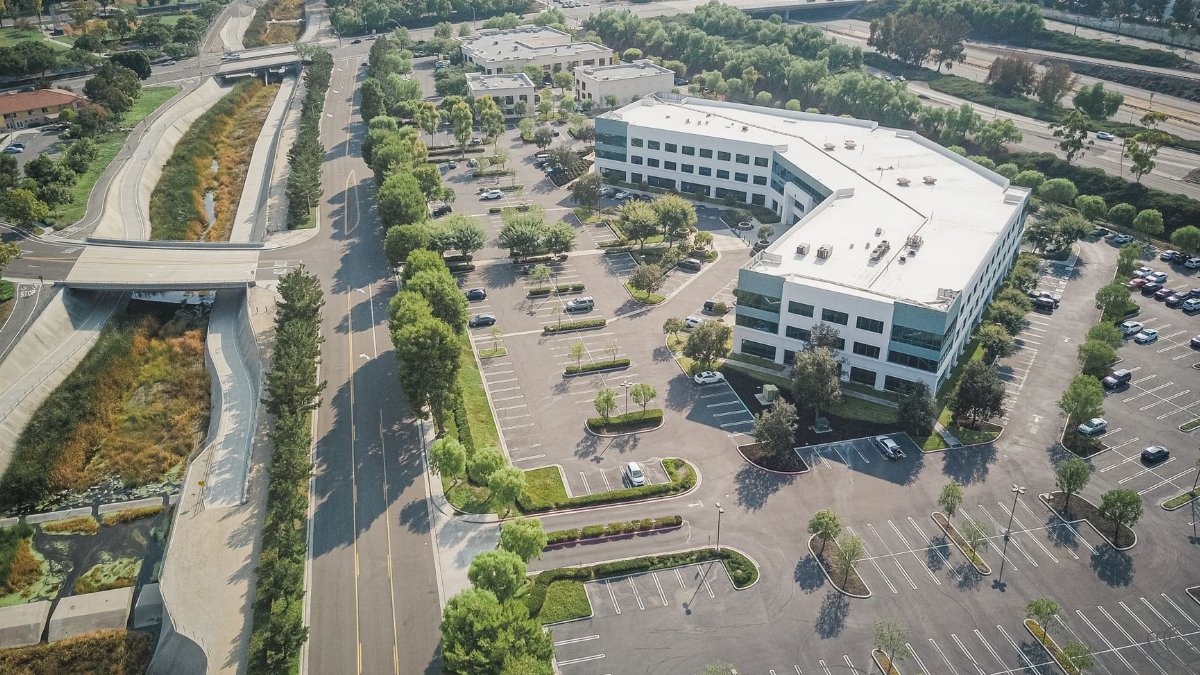
Suburban markets like Frisco attract firms that prefer lower density environments with ample parking and easier commutes. Amenities such as proximity to sports venues add unique value not found in traditional downtown settings. Investors continue to evaluate such locations for resilience amid shifting work habits.