
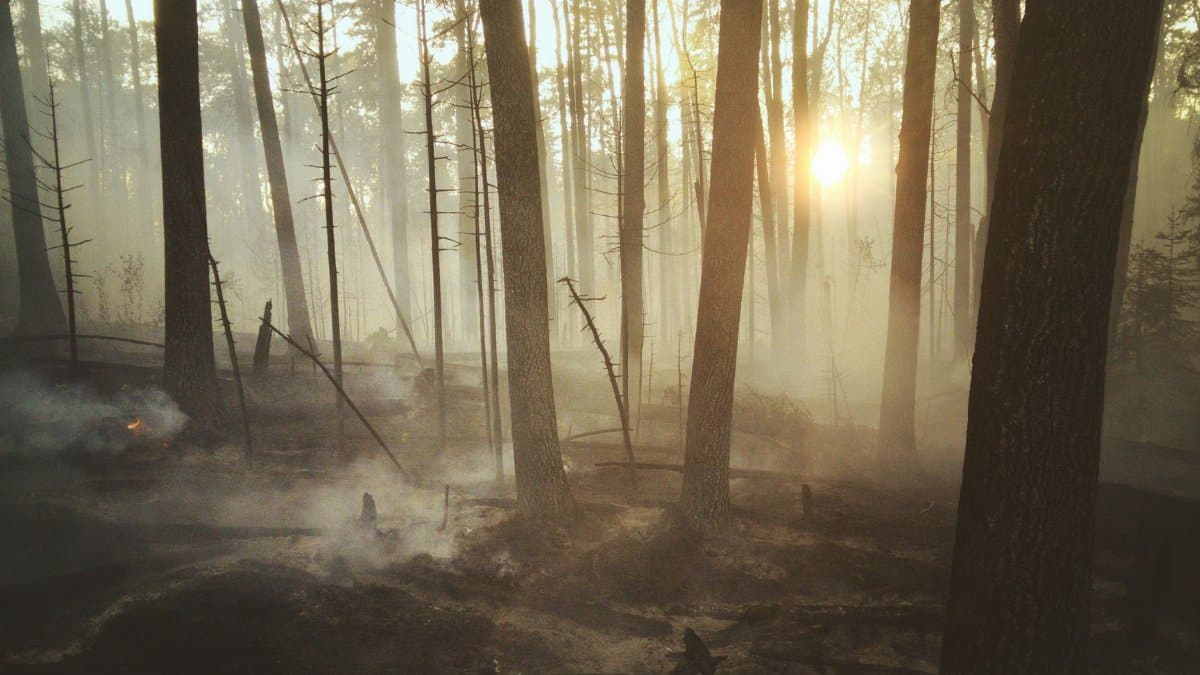
Recent summer air quality challenges have drawn sharp political lines across the northern border region. Minnesota residents have endured hazy skies and respiratory discomfort tied to distant and nearby blazes alike. Republican lawmakers point northward with increasing frequency. They argue that wildfire smoke Canada Minnesota originates primarily from Canadian forests. Yet experts emphasize a more layered reality involving local ignition sources and longstanding land practices. This debate highlights tensions between quick political narratives and the slower work of environmental analysis.
Political Finger Pointing Gains Momentum

Minnesota Republican figures have renewed calls for Canada to address its forest fires more aggressively. They cite wind patterns carrying pollutants southward during peak summer months. Public statements often frame the situation as an external imposition rather than a shared ecological concern. Such rhetoric resonates with constituents frustrated by recurring poor air days. Critics within the state legislature counter that the approach overlooks domestic contributions to the same problem.
Local Fires Add Significant Smoke Load
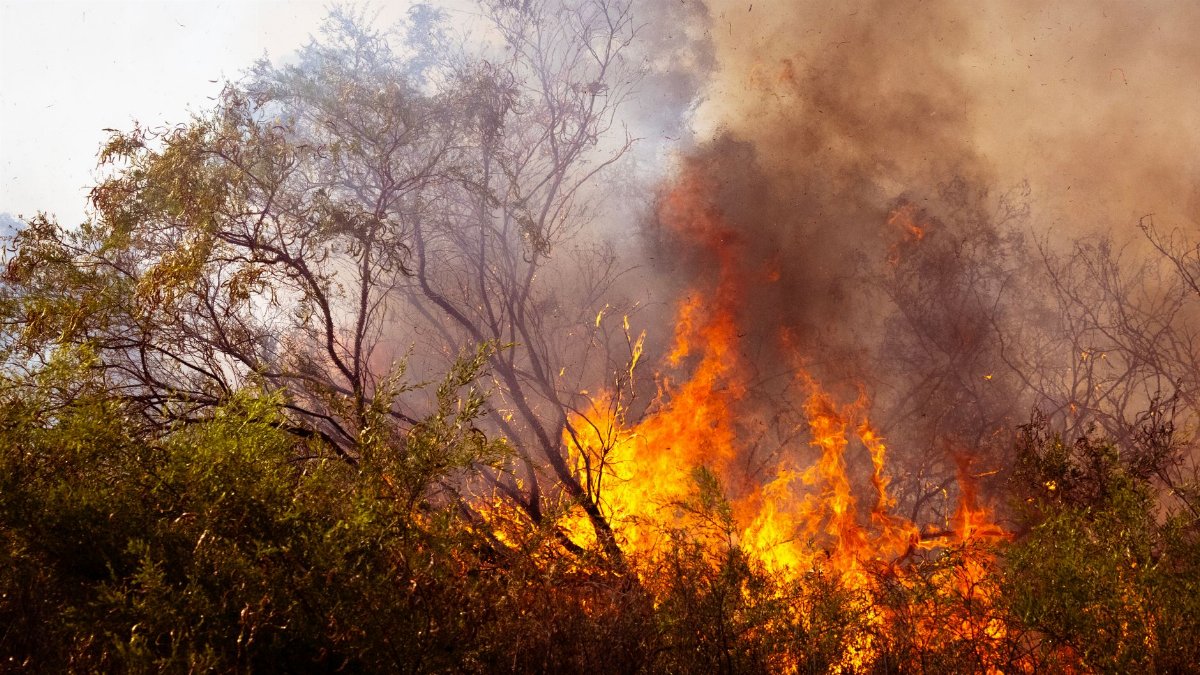
Data from state forestry officials show numerous lightning sparked blazes within Minnesota borders each season. These events burn substantial acreage in remote northern counties. Smoke from these fires mixes with incoming plumes creating compounded effects on downwind communities. Attribution studies reveal that local sources account for a notable portion of measured particulate levels during certain episodes. This evidence complicates any singular focus on cross border origins.
Canadian Forest Conditions Under Scrutiny
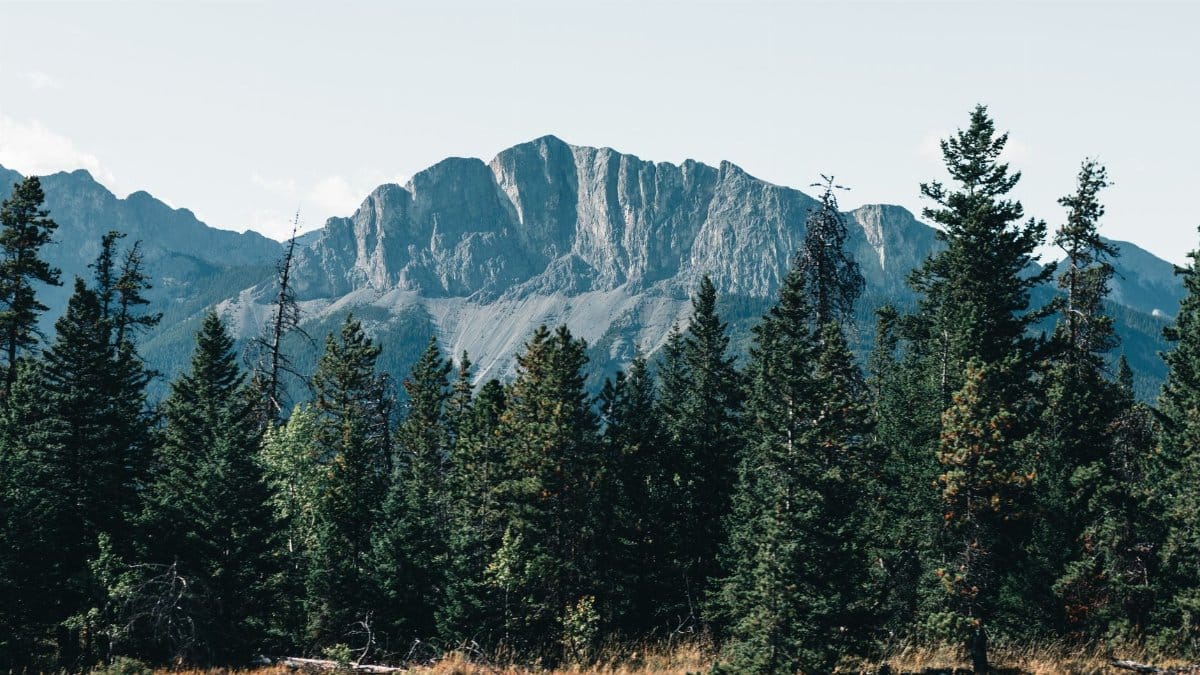
Vast tracts of boreal forest in neighboring provinces face drier conditions and accumulated fuel loads. Canadian authorities have expanded prescribed burning programs in recent years yet face logistical hurdles in remote areas. International cooperation agreements exist for fire management yet implementation varies by jurisdiction. Observers note that climate patterns influence fire behavior on both sides of the border in comparable ways.
Forest Management Practices Examined Closely
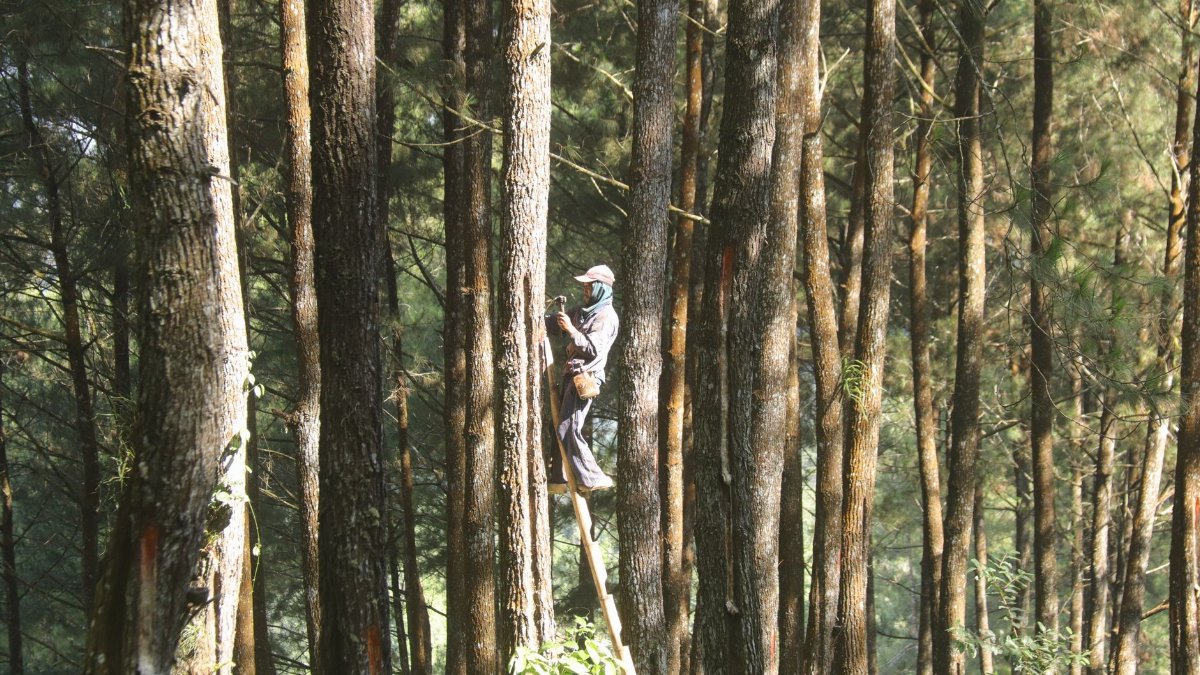
Decades of fire suppression policies have left many woodlands with dense undergrowth prone to intense burns. Both American and Canadian agencies now promote mechanical thinning and controlled fires to reduce risks. Funding shortfalls and public opposition sometimes delay these efforts. Research indicates that proactive measures lower smoke production over time compared with unchecked wildfires. Implementation speed remains a point of discussion among land managers.
Health Effects Prompt Public Concern

Fine particles from wildfire smoke Canada Minnesota events penetrate deep into lungs and bloodstreams. Vulnerable groups including children and older adults report elevated asthma attacks and cardiovascular strain. Medical facilities in affected regions track increased visits during heavy smoke periods. Long term exposure studies suggest cumulative impacts even from intermittent events. Public health messaging focuses on indoor air filtration and activity modification.
Air Quality Monitoring Expands Across Region
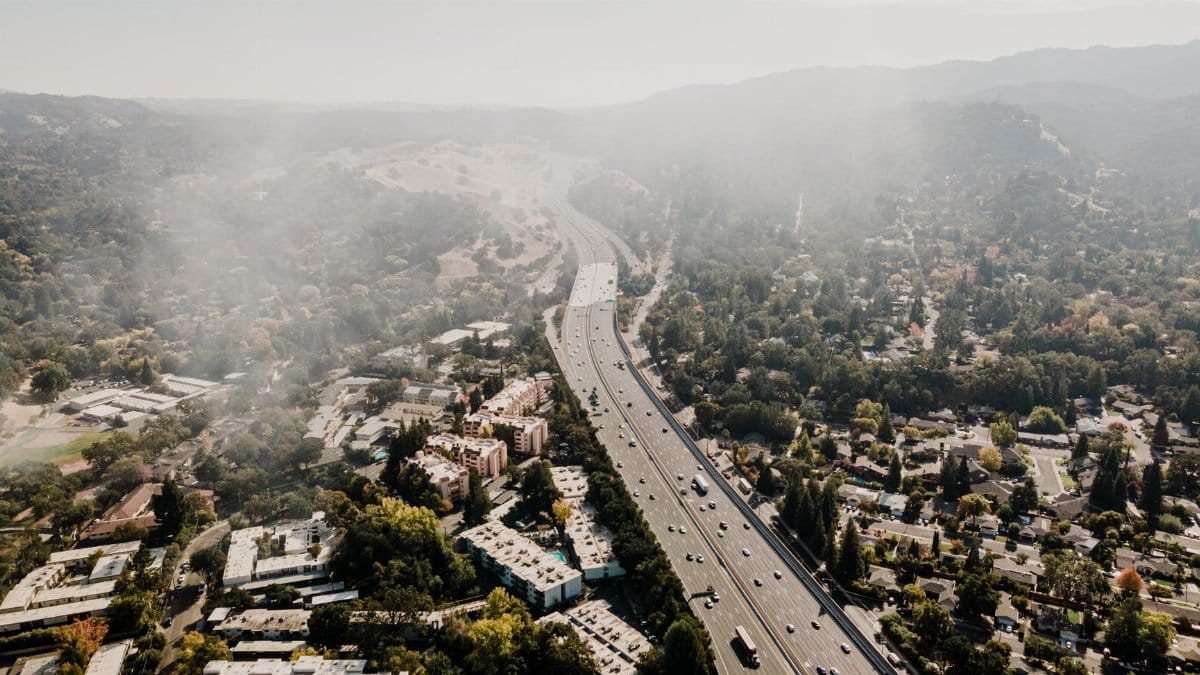
State and federal agencies have added sensors to better map smoke movement and concentration. Real time data helps issue timely alerts for outdoor restrictions. Satellite imagery supplements ground measurements during widespread events. Collaboration with Canadian counterparts improves forecasting accuracy for transboundary flows. These tools support more precise policy responses than earlier decades allowed.
Policy Proposals Spark Debate in Legislature

Bills introduced in Minnesota seek formal complaints or trade measures aimed at Canadian fire control. Supporters argue such steps pressure faster action from Ottawa. Opponents warn of strained diplomatic relations and limited practical effect. Alternative measures emphasize joint research funding and shared suppression resources. Bipartisan support appears stronger for domestic forest resilience investments.
Future Outlook Depends on Multiple Factors

Projections indicate continued fire activity as temperatures rise and precipitation patterns shift. Effective responses require coordination across political boundaries and scientific disciplines. Public awareness of these complexities may temper purely accusatory approaches. Sustained investment in prevention offers the clearest path toward fewer disruptive smoke episodes.