
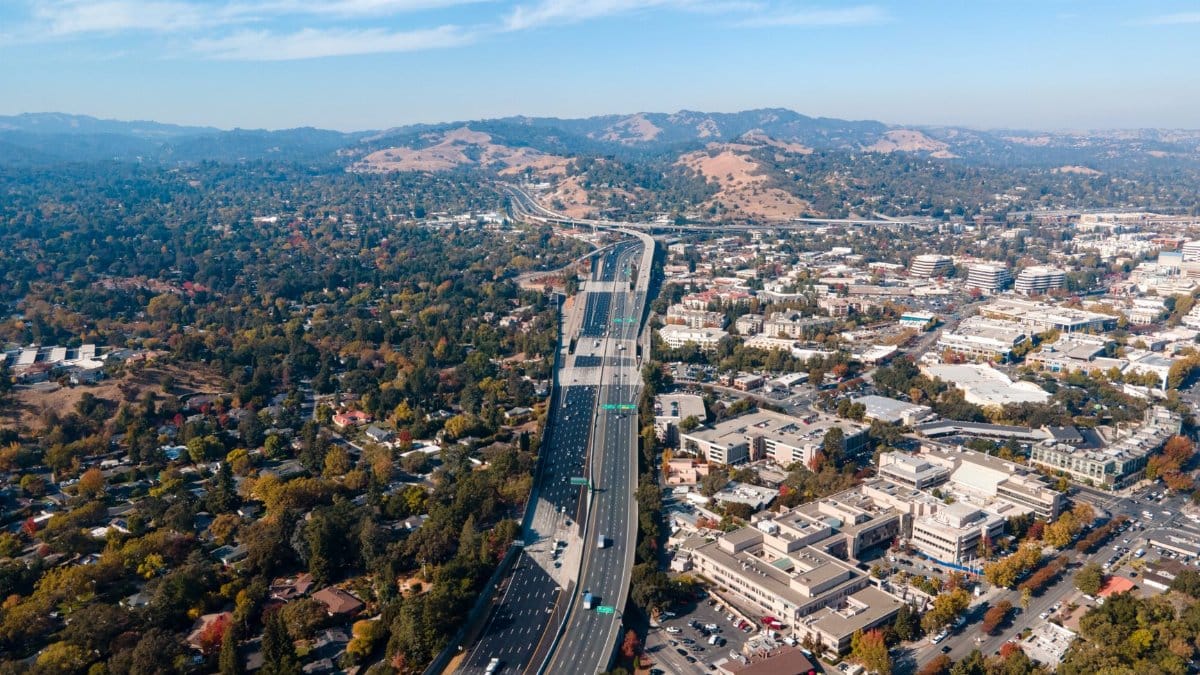
In a surprising reversal that has left many observers in the East Bay pondering the shifting priorities of major retailers, Restoration Hardware has pulled back from what was once positioned as a signature development. The RH project Walnut Creek was meant to feature an expansive layout complete with dining options and that distinctive glass element intended to serve as a local landmark.
Origins of the Proposed Development

The idea took shape several years ago when the company sought to expand its presence beyond traditional showrooms. Local officials welcomed the prospect of new activity along Broadway Plaza as it promised to blend retail with public gathering spaces. Discussions focused on how such a site could complement existing shops while attracting visitors who seek premium experiences.
Design Elements That Stood Out
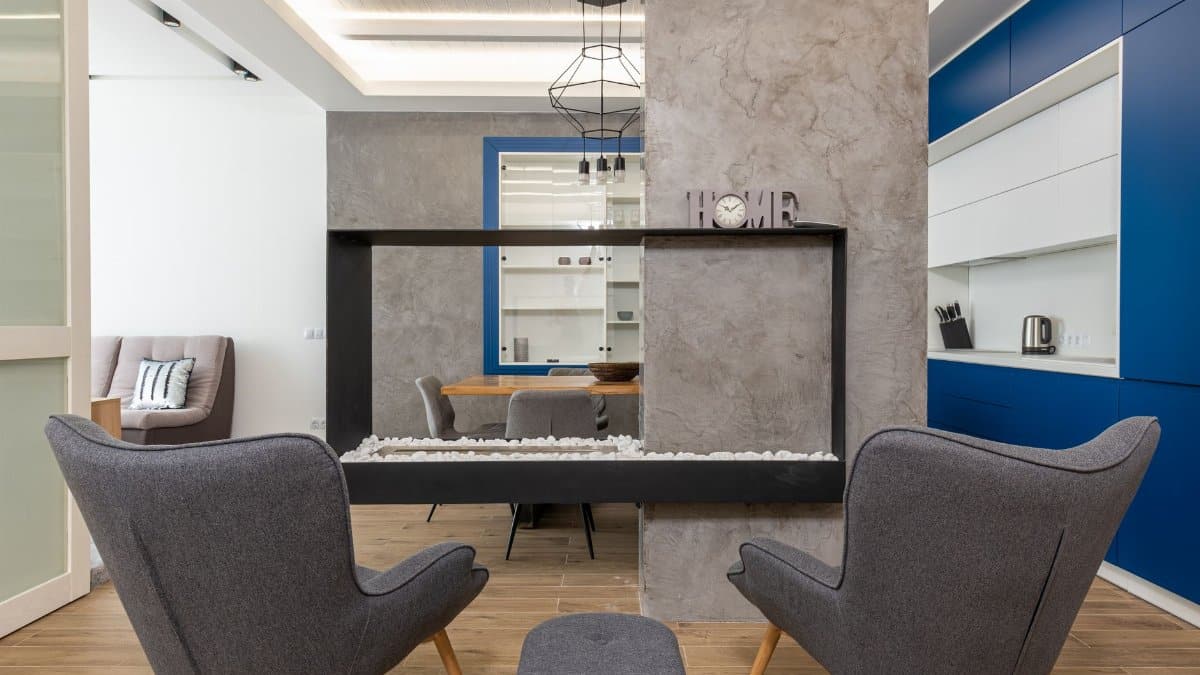
Central to the vision was a glass conservatory meant to create an airy atmosphere for displays and events. Planners described it as a way to merge indoor comfort with outdoor appeal in a region known for mild weather. The structure would have allowed natural light to highlight furniture collections during daytime hours.
Local Economic Expectations
City leaders anticipated added foot traffic that could benefit nearby merchants and restaurants. Projections suggested hundreds of construction jobs followed by ongoing roles in sales and hospitality. Community forums highlighted hopes for increased tax revenue without straining existing infrastructure.
Reasons Behind the Withdrawal

Company representatives cited evolving market conditions and a need to focus resources elsewhere. Rising material costs played a role along with changes in consumer habits after the pandemic era. Executives emphasized that the decision came after careful review of multiple sites across the country.
Reactions From Walnut Creek Residents
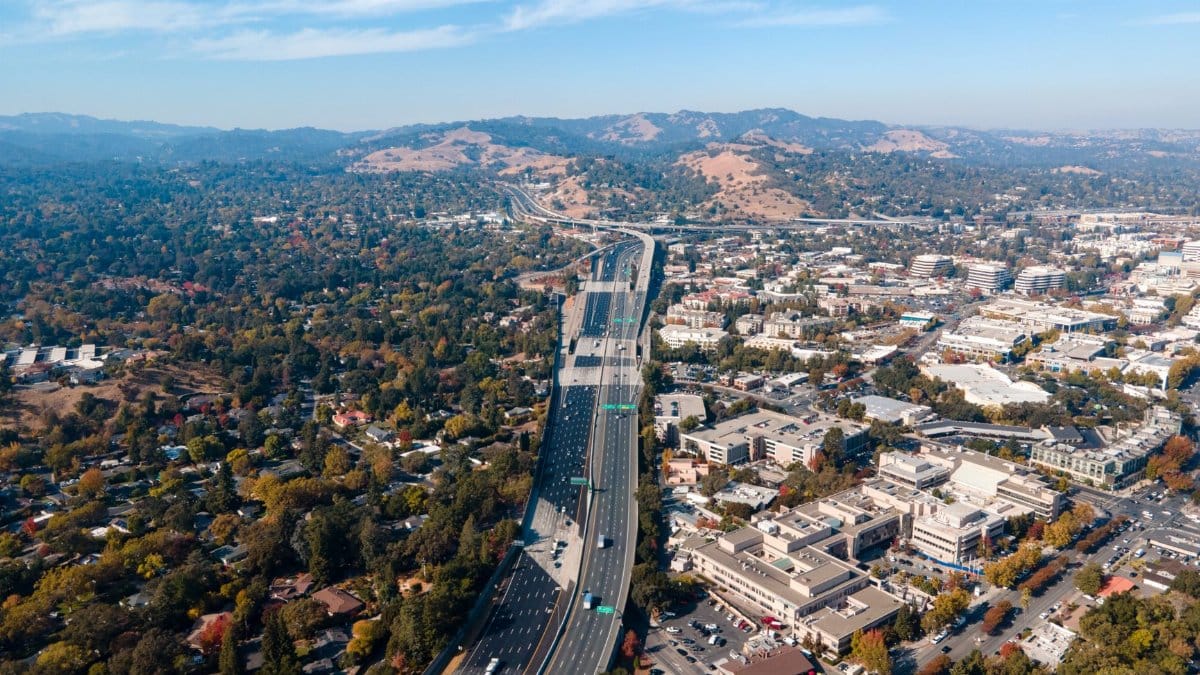
Many locals expressed disappointment over the lost opportunity for a new destination. Some voiced concerns about empty lots remaining undeveloped for extended periods. Others noted that the area already supports strong retail activity so the absence might not create immediate gaps.
Broader Trends in Retail Expansion

This move reflects a wider pattern where chains reassess large scale builds in favor of smaller formats or online integration. Several peers have similarly scaled back ambitious footprints in suburban markets. The emphasis now leans toward adaptable spaces that can respond quickly to demand shifts.
Future Possibilities for the Site
Property owners have indicated openness to alternative proposals that align with current zoning. Discussions may turn toward mixed use concepts that include housing or entertainment venues. Officials stress the importance of maintaining the plaza as a vibrant hub regardless of the next occupant.
Company Strategy Moving Forward

Restoration Hardware continues to invest in select locations that match updated criteria for success. Focus areas include regions with proven luxury demand and lower regulatory hurdles. The brand aims to sustain growth through refined store concepts rather than grand experiments.
Impact on Regional Planning Efforts

Municipal planners will revisit their assumptions about large retail projects in the wake of this change. Updated guidelines may encourage more flexible designs from the outset. Collaboration between public and private sectors could yield models better suited to present day realities.