
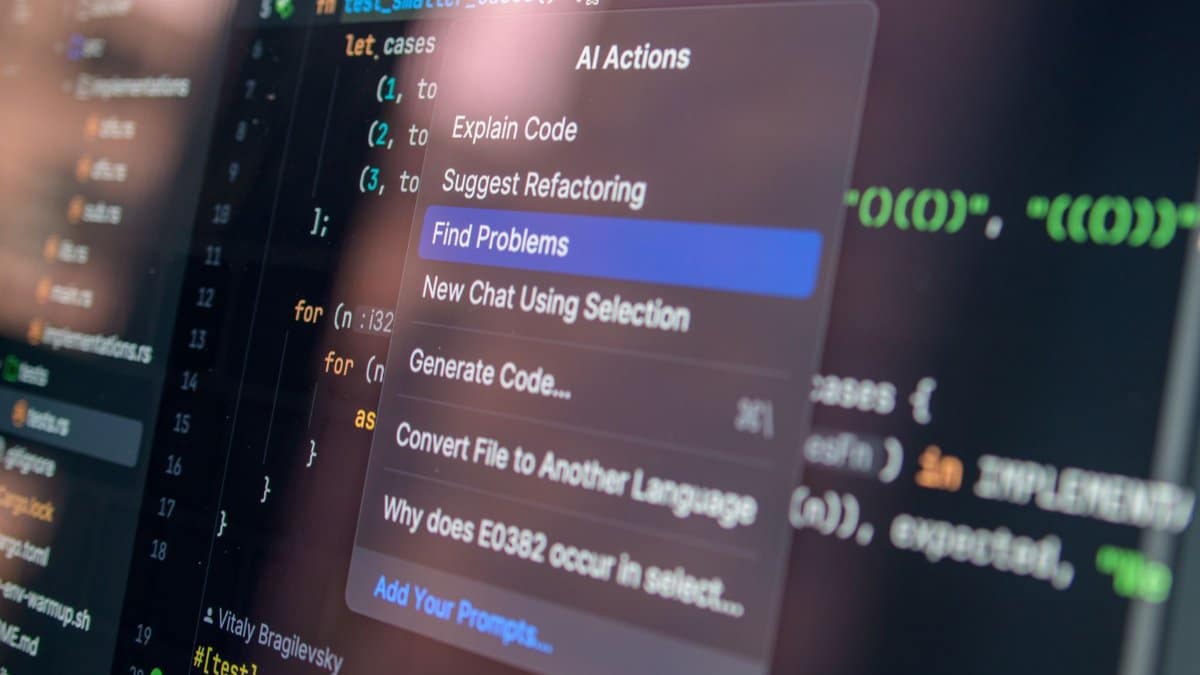
Federal agencies have begun redirecting resources in ways that surprise longtime observers of research policy. Laboratories once anchored at major universities now find themselves competing with nimble technology firms for support. This change arrives as the administration advances Trump science funding AI as a central priority. Observers note that the emphasis falls on rapid application of machine learning tools across sectors rather than broad grants to campus based teams. The result could reshape how discoveries move from idea to practical use in coming years.
Departure From Longstanding University Partnerships

Many research universities built their programs around steady federal support that spanned decades. The current direction reduces that reliance by favoring contracts with companies already equipped for large scale data work. Project managers report shorter approval cycles and clearer deliverables tied to measurable progress in artificial intelligence applications. University administrators describe the adjustment as abrupt yet acknowledge that private partners bring specialized talent pools ready for immediate deployment.
Private Sector Role In Emerging Research Agendas
Technology companies now sit at the table when agencies outline new initiatives. Their input shapes questions around automation in manufacturing and predictive models for public health. This arrangement allows quicker translation of algorithms into operational tools. At the same time it raises questions about how smaller academic groups without similar infrastructure can participate in the same conversations.
Budget Allocations Favoring Machine Learning Projects

Recent agency announcements show larger portions of available funds directed toward computational methods. Review panels include more engineers from industry alongside traditional scientists. The criteria stress speed to prototype and scalability beyond the laboratory. Proponents argue this focus addresses national needs in defense and economic competitiveness more directly than earlier broad based programs.
Impact On Graduate Training And Early Career Researchers

Students pursuing advanced degrees face altered pathways as campus grants decline. Many now seek internships inside corporate research divisions where funding flows more readily. Faculty members observe that dissertation topics increasingly align with immediate industry applications rather than open ended inquiry. This trend may produce graduates with strong applied skills yet fewer opportunities for independent theoretical work.
Regional Shifts In Where Research Activity Concentrates

Funding patterns appear to favor areas already home to major technology clusters. Cities with established data centers and engineering firms attract new projects at higher rates. Traditional research hubs in the Midwest and Northeast report fewer awards for basic science. Local economic development offices respond by courting private partners to offset losses in academic employment.
Questions Of Oversight And Public Accountability

With more work conducted outside university settings questions surface about transparency. Corporate contracts often include provisions that limit disclosure of methods or results. Watchdog groups call for clearer reporting standards to ensure taxpayer resources serve stated national goals. Agency officials reply that existing review processes remain in place while adapting to faster timelines.
Ethical Dimensions In Accelerated AI Development
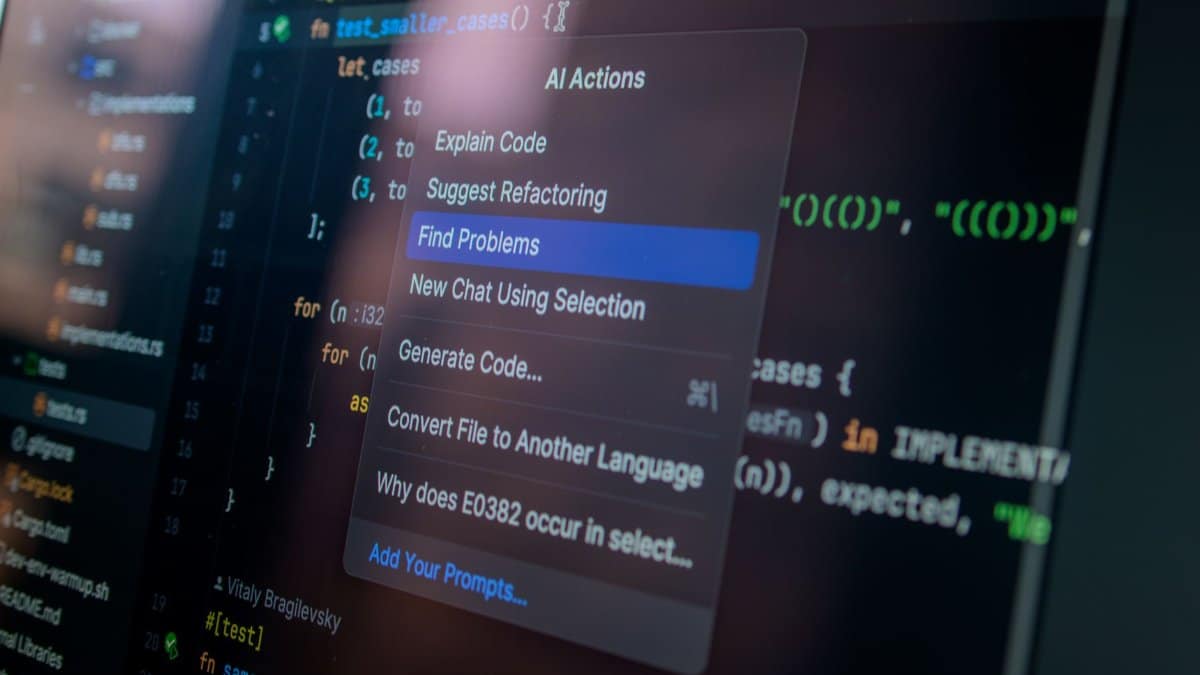
Spiritual and philosophical voices have begun weighing in on the broader meaning of these priorities. They note that rapid deployment of intelligent systems touches on human dignity and the purpose of work. Discussions in community forums explore how society might preserve space for reflection amid pressure for constant innovation. These perspectives add depth to policy debates that otherwise center on technical metrics alone.
International Comparisons And Competitive Pressures

Other nations continue heavy investment in university centered basic research. European and Asian programs maintain longer grant cycles that allow exploration without immediate commercial payoff. American planners watch these models while arguing that current conditions demand a different balance. The outcome may influence how global scientific talent chooses where to build careers.
Future Outlook For Balanced Science Support
Observers expect continued evolution as results from the new approach become visible. Success in select AI domains could justify further movement away from traditional structures. Yet sustained shortfalls in fundamental discovery might prompt adjustments. The coming budget cycles will test whether the emphasis on Trump science funding AI delivers durable gains across multiple fields of inquiry.