
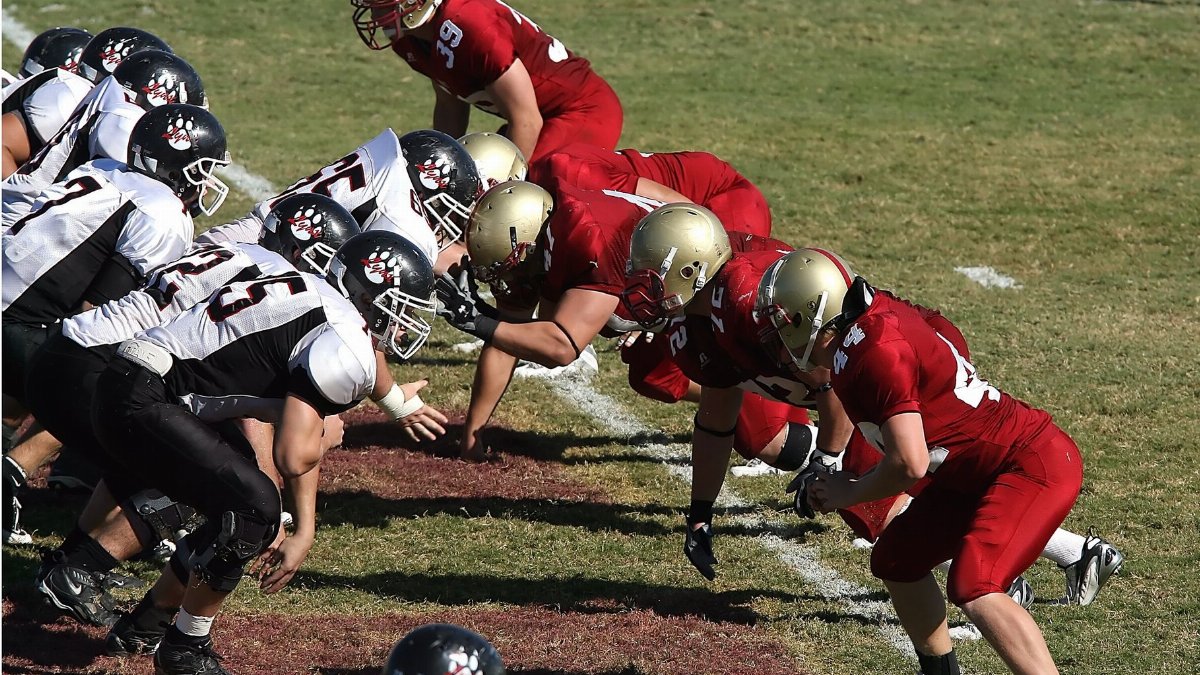
In recent statements a prominent American athletics commissioner has drawn attention to the pressing demand for stronger college athletics structure throughout higher education. Temple University appears especially well positioned to adapt and thrive under any new framework with its current leadership and facilities already aligned for progress. Observers note that this call comes amid ongoing shifts in how universities manage their sports programs and balance academics with competition.
Commissioner Outlines Vision for Organized Sports

The commissioner spoke at length about the value of clear rules and coordinated oversight in college athletics structure. He argued that scattered approaches across different conferences create confusion for athletes and administrators alike. Greater uniformity could help protect student welfare while preserving the excitement of competition. Temple officials have signaled readiness to follow such guidance and integrate new standards smoothly into daily operations.
Temple University Prepares for Future Standards

Campus leaders at Temple have spent recent months reviewing internal policies to match emerging expectations in college athletics structure. Athletic director reports show investments in training facilities and academic support services that exceed basic requirements. This proactive stance positions the school as a model for others facing similar transitions in the coming years.
Challenges Facing Current College Sports Models

Many universities struggle with inconsistent scheduling and resource allocation that weaken overall college athletics structure. Without central coordination athletes often encounter varying eligibility rules from one season to the next. Financial pressures add another layer of difficulty as programs seek ways to sustain operations amid rising costs.
Benefits of Unified Governance in Athletics

A more cohesive college athletics structure promises better health monitoring and academic tracking for participants. Unified policies can reduce disputes over recruiting practices and ensure fair treatment across regions. Temple stands to gain from such consistency given its diverse student body and competitive conference affiliations.
Role of University Leadership in Reforms

Effective change requires active involvement from presidents and boards who oversee college athletics structure. At Temple these figures have already begun discussions on compliance measures and long range planning. Their engagement reflects a broader trend toward administrative accountability in campus sports.
Impact on Student Athletes and Academics

Improved college athletics structure can ease the dual demands placed on young competitors. Better scheduling allows more time for studies while maintaining rigorous training. Temple has emphasized support systems that help athletes succeed both on the field and in the classroom under evolving guidelines.
Financial Implications of Structural Changes

Reorganizing college athletics structure may influence revenue streams from media rights and ticket sales. Institutions like Temple could see steadier budgets if national standards limit excessive spending in certain areas. Careful implementation will be essential to avoid unintended disruptions during the adjustment period.
National Trends Influencing Local Decisions

Across the country conversations about college athletics structure reflect wider societal expectations around fairness and transparency. Temple monitors these developments closely and participates in regional forums to shape outcomes. Such involvement helps ensure local voices contribute to national policy directions.
Potential Outcomes for Programs Like Temple

If reforms advance as suggested Temple could emerge as a leader in compliant and balanced college athletics structure. Early preparation gives the university an advantage in recruiting and retention of talent. Observers expect continued positive momentum as details of new frameworks become clearer in the months ahead.