

In the suburban community of Katy an unexpected event disrupted the routines of a local congregation. Thieves made off with essential audio equipment leaving members to confront the reality of the Katy church theft. Rather than dwell on the violation the group turned their attention to recovery and renewal demonstrating the strength found in shared purpose. Donations poured in from across the area allowing services to resume with new equipment in a matter of days.
The Incident at Harvest Church

Thieves entered the building late one evening and removed the sound system along with related production gear. Police reports noted forced entry through a side door with no immediate suspects identified. Church leaders discovered the loss the next morning and began assessing what steps would allow worship to continue without interruption.
Swift Action by Church Leadership
Pastors contacted members through email and phone trees to explain the situation and outline a plan for replacement. Within hours a crowdfunding effort was launched with a modest initial goal. The transparency of the appeal helped build trust and encouraged early contributions from regular attendees.
Community Donations Reach Fifteen Thousand Dollars

Support arrived from neighboring congregations and local businesses that had no direct tie to the church. Checks and online transfers accumulated rapidly until the total surpassed fifteen thousand dollars. Organizers expressed surprise at the speed noting that the target was met well ahead of any projected timeline.
Resuming Worship Without Delay

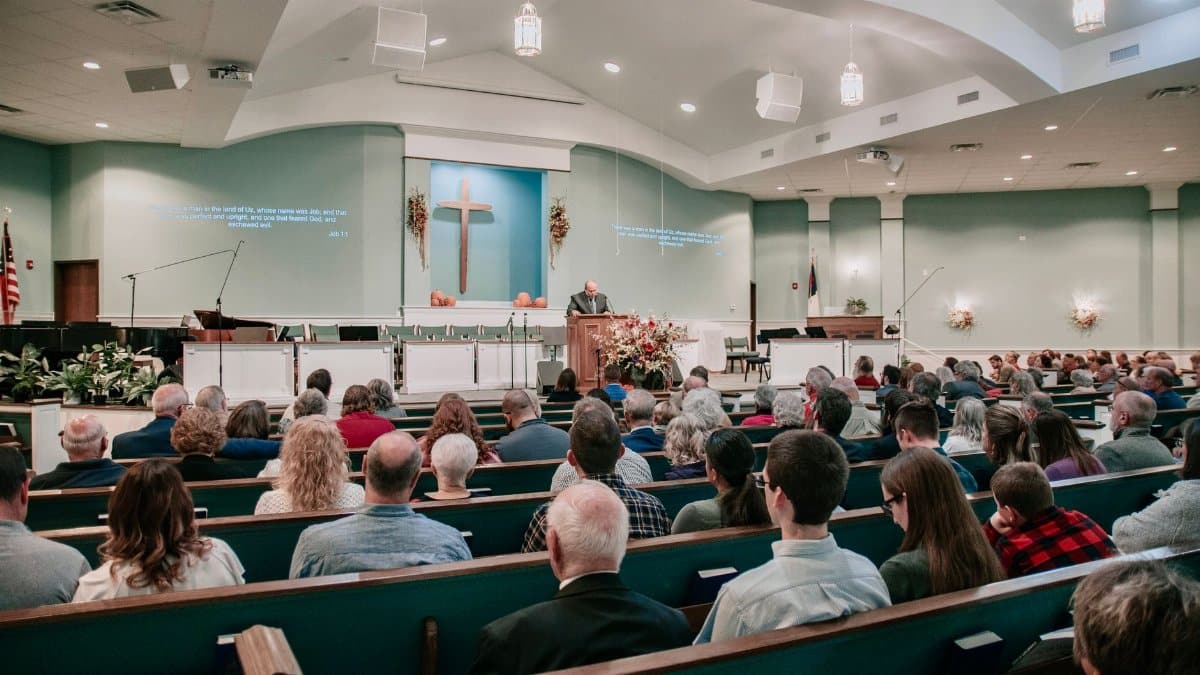
By the following Sunday temporary equipment allowed the music and spoken portions of the service to proceed as usual. Volunteers worked through the weekend to set up borrowed items and adjust acoustics for the sanctuary. Attendance remained steady with many newcomers drawn by news of the collective response.
Messages of Encouragement from Across Katy

Notes and cards arrived at the church office from residents who had read about the events in local coverage. Some writers shared their own experiences with property loss and the comfort they found in group solidarity. These personal accounts reinforced the sense that the incident had touched a wider circle than the immediate membership.
Security Reviews and Future Precautions

After the immediate needs were met attention shifted to locks cameras and alarm upgrades. Consultants offered advice on layered protection that balanced openness with safety. Leaders emphasized that changes would preserve the welcoming atmosphere while reducing vulnerability to similar events.
Faith and Resilience in Times of Loss

Sermons in subsequent weeks explored themes of material goods versus enduring community bonds. Members reflected on how the response illustrated core values of generosity and mutual care. Discussions in small groups helped individuals process the event as an opportunity rather than a setback.
Similar Cases in Regional Places of Worship

Other congregations in the greater Houston area have faced equipment thefts in recent years prompting shared strategies for prevention. Informal networks now exchange information on reliable vendors and monitoring systems. Such cooperation reduces the sense of isolation when any single group encounters trouble.