
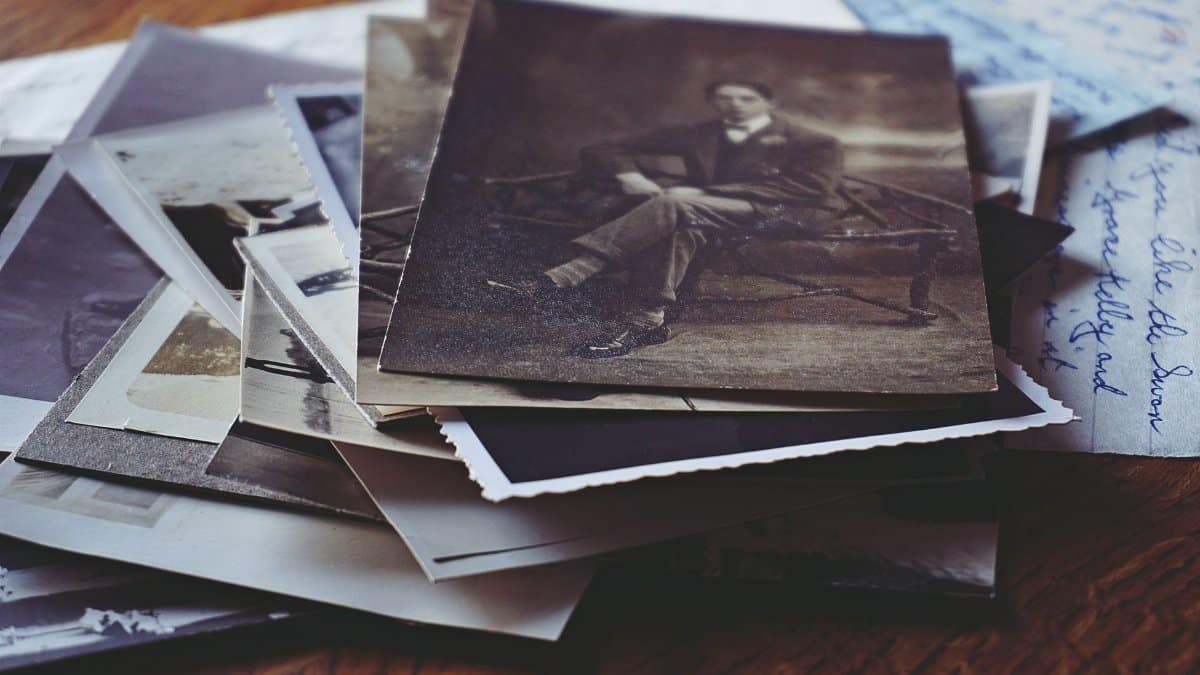
In the hills north of downtown Los Angeles families once built homes raised children and gathered for festivals in a close knit area known for its tight bonds and lively streets. Those scenes vanished decades ago when officials cleared the land for a major public project. A fresh digital collection now restores some of those vanished voices allowing researchers and descendants to examine letters photos and oral accounts in detail. The Chavez Ravine archive stands as a central point for anyone seeking to understand how one community faced sudden change and loss.
Early settlement patterns in the area
Settlers of Mexican descent arrived in the region during the early twentieth century drawn by work opportunities in nearby factories and farms. They constructed modest houses on the slopes and formed neighborhoods with churches schools and markets that served daily needs. Records show steady growth through the nineteen forties as more families joined relatives already living there.
Official decisions that led to clearance

City leaders in the nineteen fifties chose the location for a new housing development under federal urban renewal programs. Plans shifted later when private interests proposed a baseball stadium instead. Residents received notices of eviction with limited time to relocate or contest the orders in court.
Voices captured in personal records

Letters and diaries now digitized reveal daily routines such as shared meals and weekend gatherings that defined life before the upheaval. One account describes a grandmother teaching traditional recipes to grandchildren in a kitchen filled with the scent of fresh tortillas. These items form the core of the collection housed at Loyola Marymount University.
Role of Loyola Marymount University
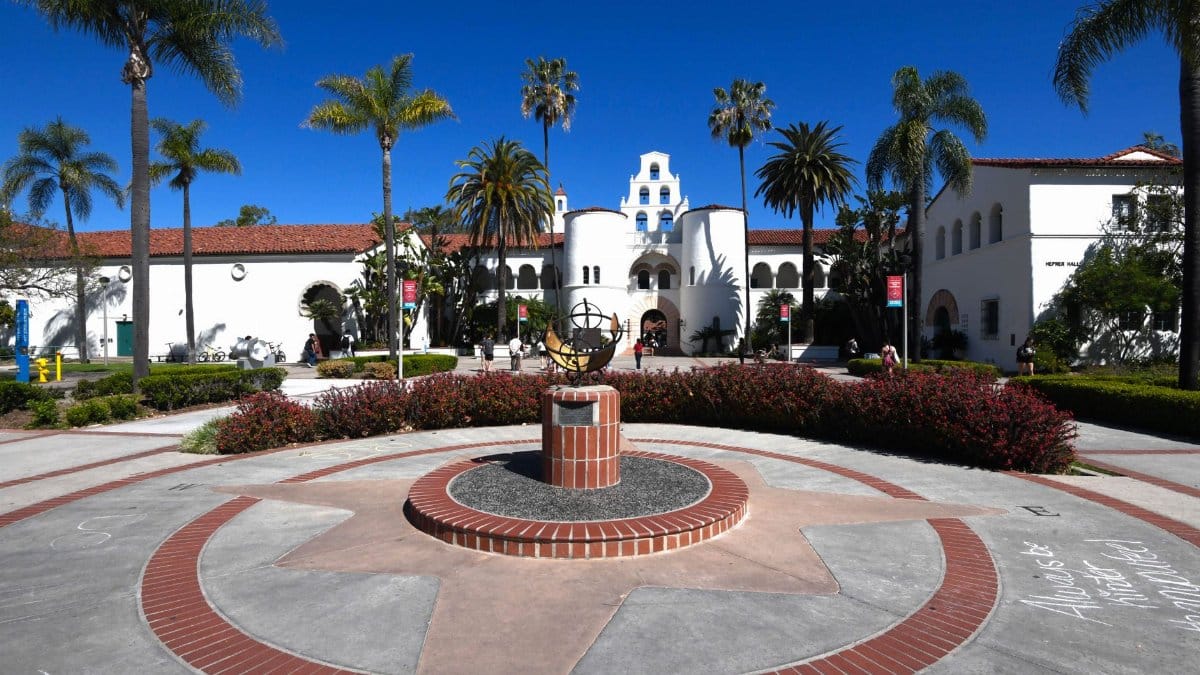
Staff at the university began gathering materials several years ago through partnerships with former residents and their descendants. The project reached completion with a public launch on July 18 2026. Librarians worked to scan fragile documents while historians verified dates and contexts to ensure accuracy for scholars.
Broader effects on Mexican American communities
Displacement scattered families across the greater Los Angeles region and beyond. Some moved to other parts of California while others sought work in distant states. The loss of physical gathering places weakened certain social networks though cultural practices persisted in new locations.
Connection to Dodger Stadium construction
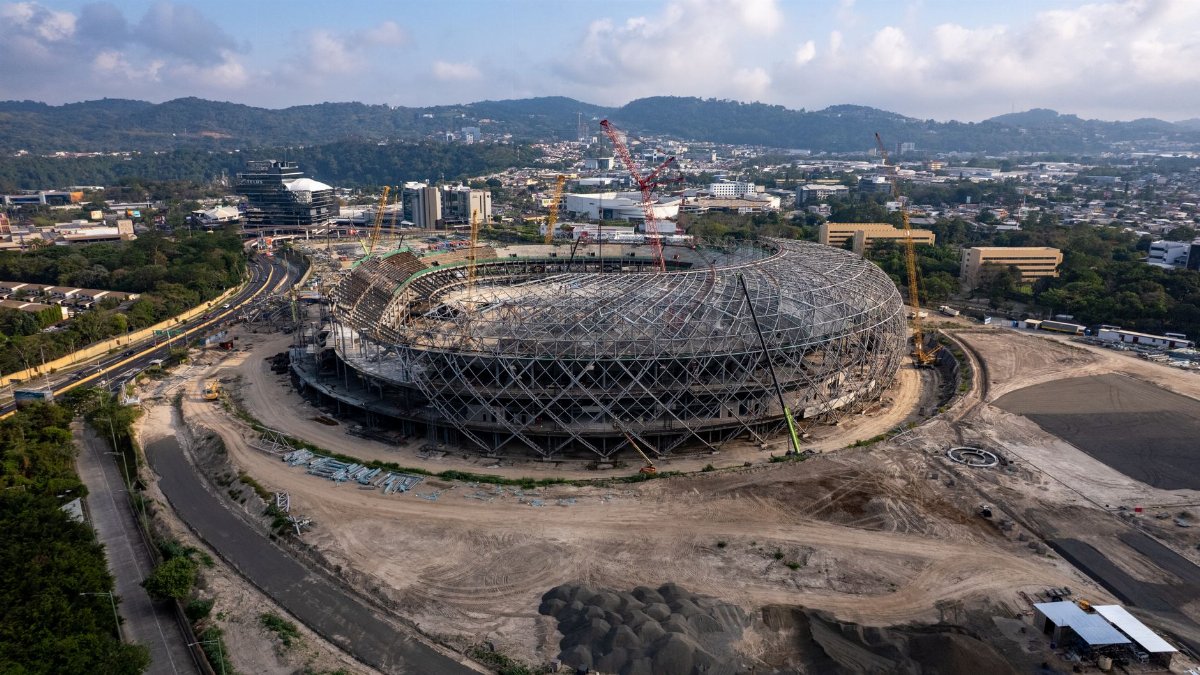
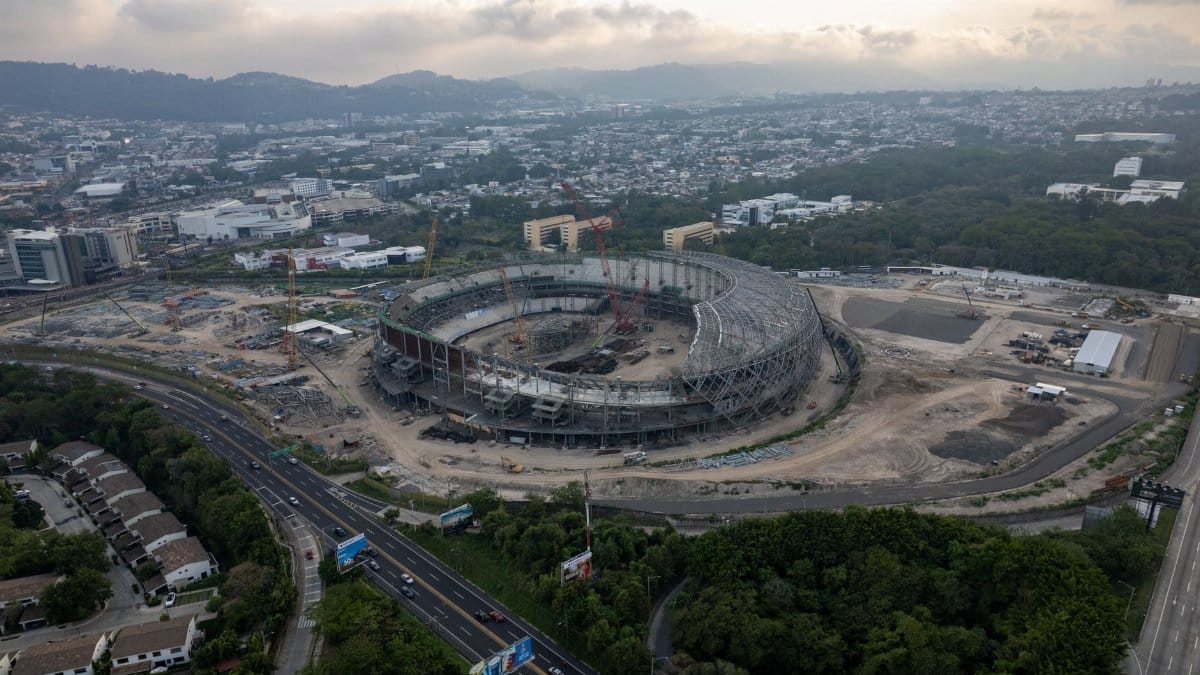
Groundbreaking for the stadium began soon after the final evictions. Construction crews leveled the remaining structures to create parking lots and playing fields. The Chavez Ravine archive includes maps that show exactly where homes once stood relative to the current ballpark footprint.
Access methods for researchers and families
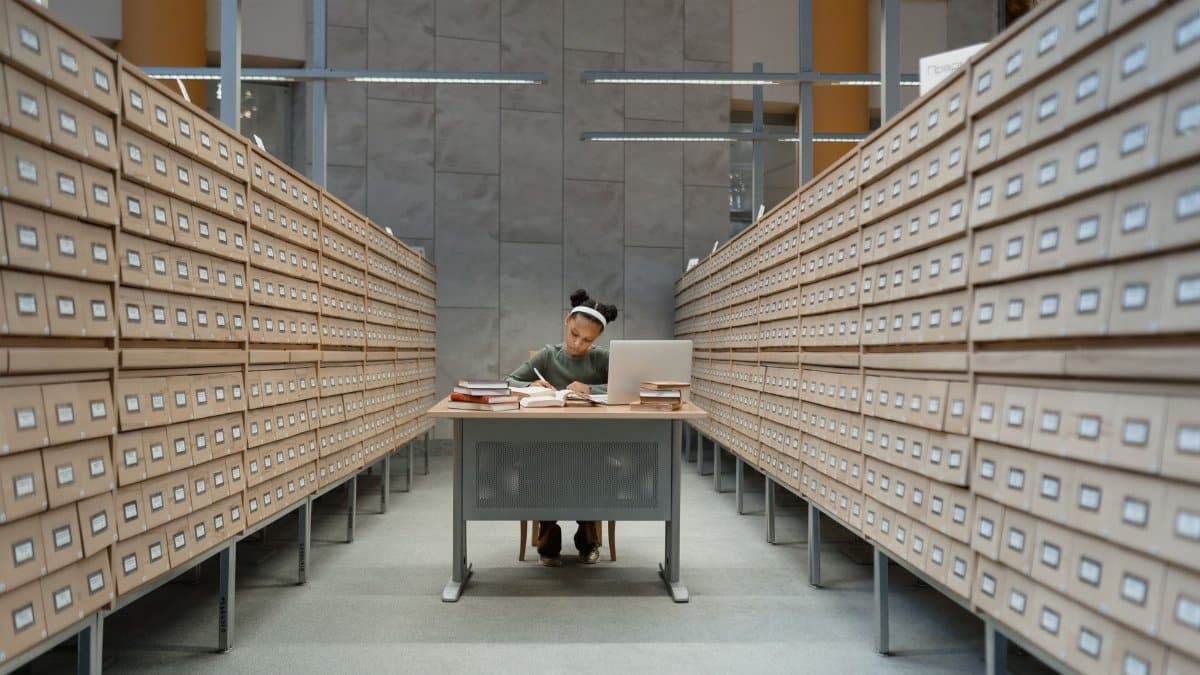
Anyone with an internet connection can browse the collection through the university website. Search tools allow users to filter by family name date or document type. High resolution scans preserve original handwriting and photographs for close examination without risk of damage to physical items.
Preservation challenges faced by archivists
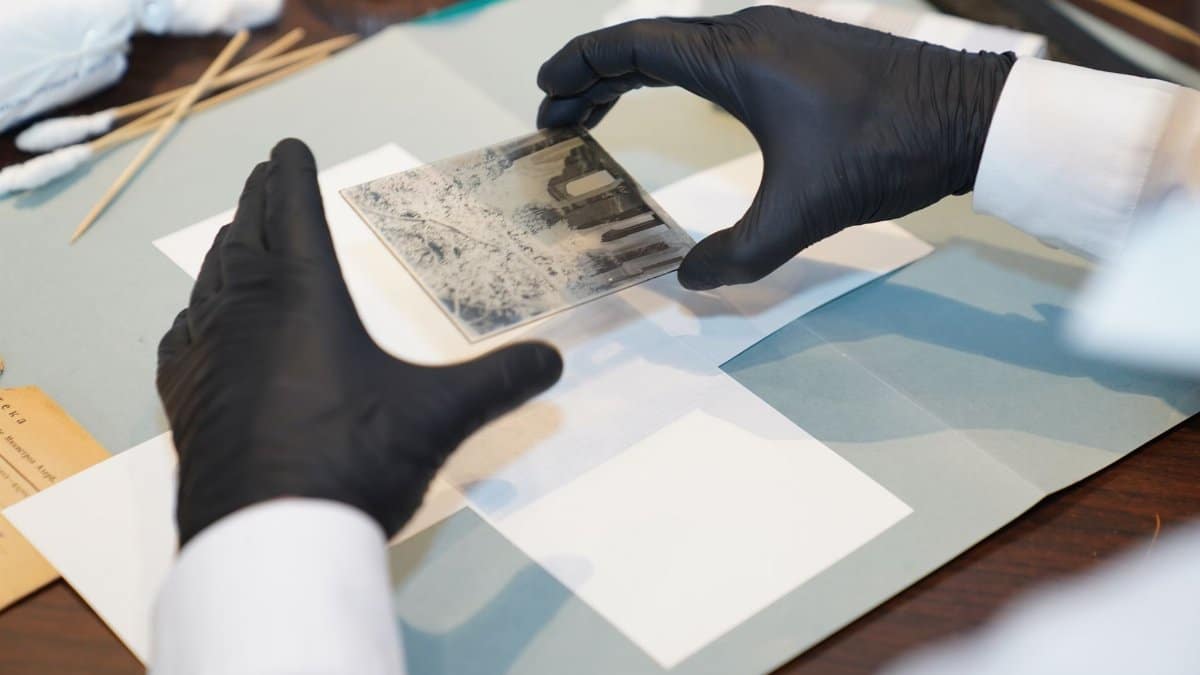
Many original papers suffered from age and improper storage before they reached the university. Archivists applied special techniques to stabilize ink and paper while creating backup copies. Funding from private donors helped cover costs of equipment and staff time during the multi year effort.
Public programs tied to the collection
University staff plan a series of talks and workshops open to community members interested in local history. These events will feature descendants sharing stories alongside displays of selected items from the archive. Attendance at early sessions suggests strong interest among both scholars and the general public.
Future expansions planned for the project
Organizers aim to add more oral histories recorded from individuals who lived through the evictions. Additional funding could support translation of Spanish language documents into English for wider reach. The team also hopes to partner with other institutions holding related materials.
Reflections on memory and place
Communities often measure progress by new buildings yet the human cost remains harder to quantify. The Chavez Ravine archive offers one way to keep those costs visible for students and policymakers alike. By preserving fragments of the past it invites ongoing conversation about how cities balance growth with the lives already rooted in a given space.