
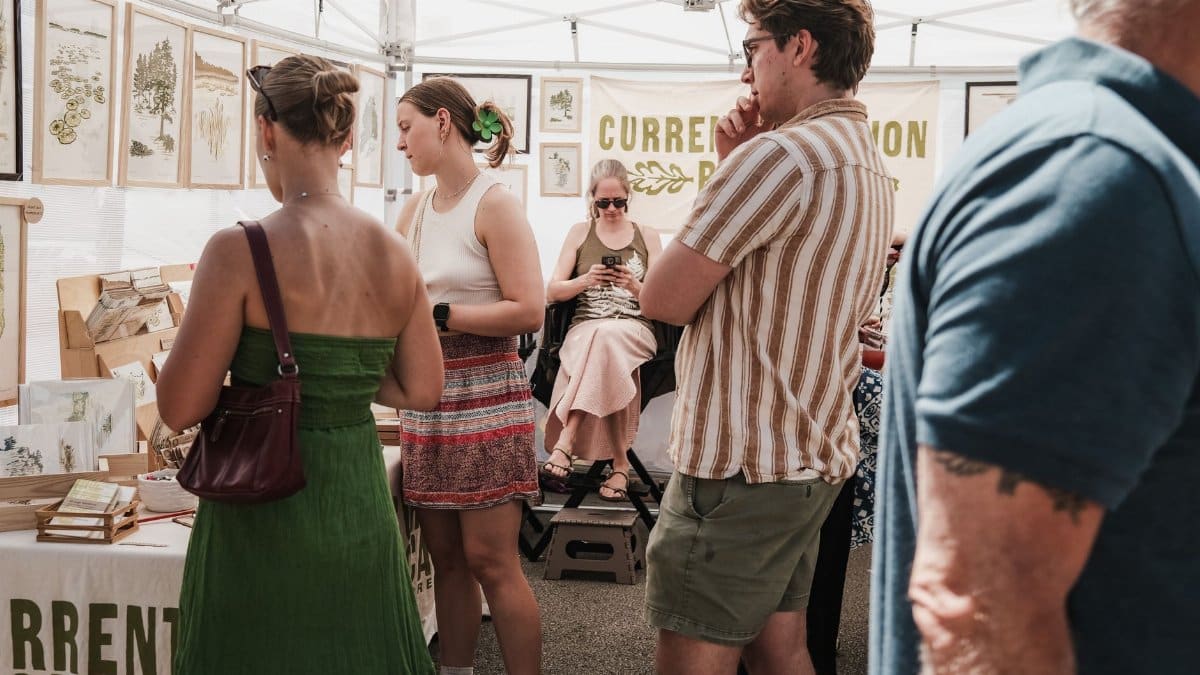
As summer draws near in the Pacific Northwest, local organizers prepare for an expansive gathering that celebrates creativity across multiple mediums. The Bellevue Arts Fair 2026 stands ready to convert downtown streets into an open air gallery filled with paintings, sculptures, and live demonstrations that invite passersby to pause and reflect on the power of handmade work. Forecasts point to roughly 150,000 visitors arriving over the July 24 to 26 weekend, a figure that underscores how regional arts events continue to serve as anchors for both tourism and civic pride.
Projected Attendance and Local Economic Ripple Effects
City planners anticipate steady foot traffic throughout the three day period, with peak hours expected on Saturday afternoon. Local businesses have already begun coordinating extended hours and special menus to accommodate the surge. Past editions have shown measurable lifts in restaurant revenue and hotel bookings, and similar patterns appear likely this year given advance reservations reported by several downtown properties. Organizers emphasize that the event functions less as an isolated festival and more as a catalyst that keeps money circulating within the immediate neighborhood.
Artist Selection Process and Booth Arrangements
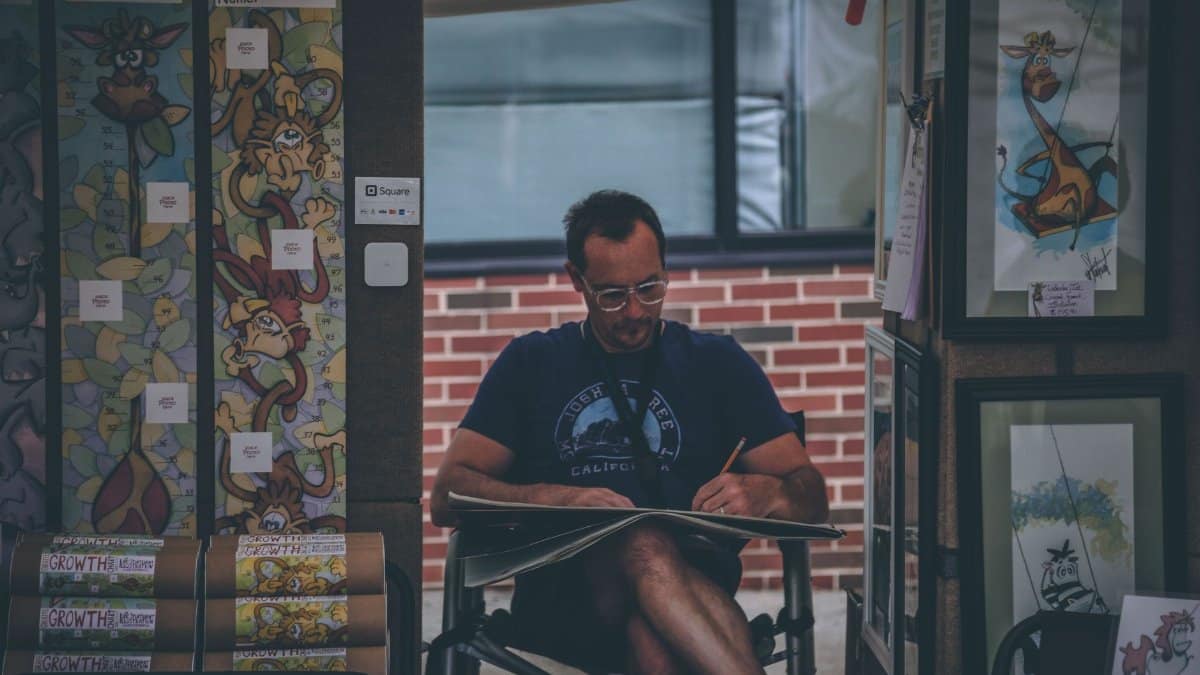
More than three hundred creators received invitations after a jury reviewed thousands of submissions. The selection committee prioritized diversity in medium, background, and career stage, resulting in a layout that mixes established names with emerging talents. Booths will occupy several blocks along Main Street and adjacent plazas, each space designed to allow comfortable viewing even during crowded moments. Many artists plan to demonstrate techniques on site, offering visitors direct insight into the labor behind each piece.
Workshops and Hands On Learning Opportunities
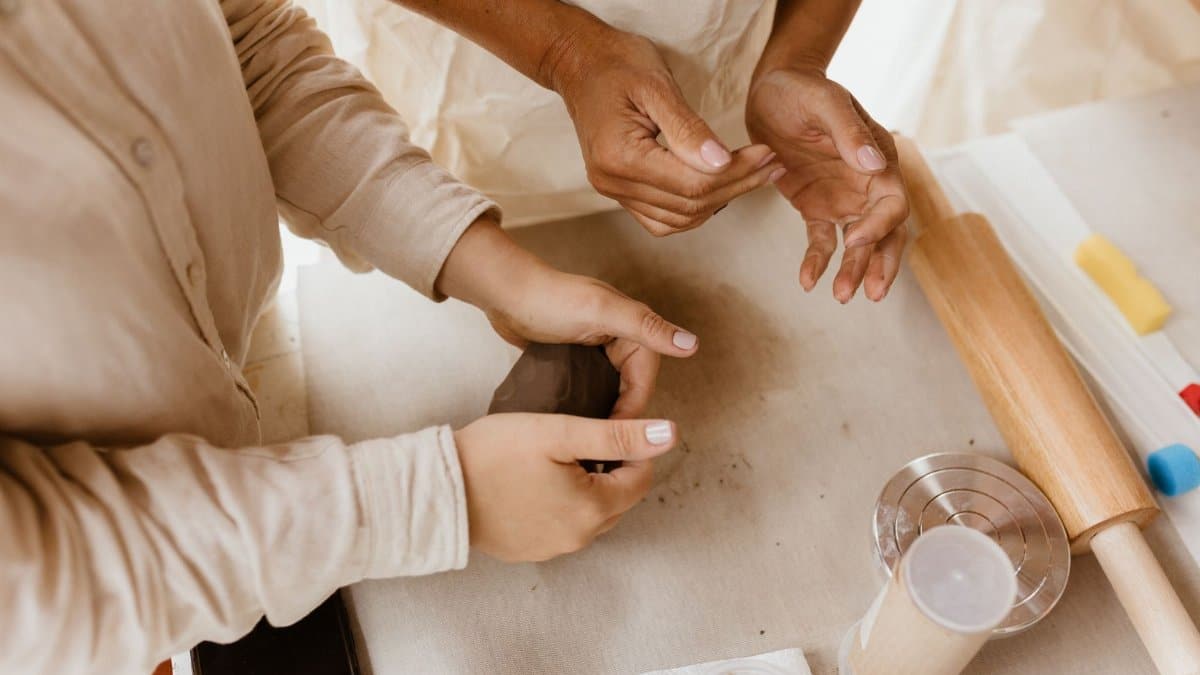
Daily schedules include short sessions where attendees can try basic printmaking, watercolor, or clay modeling under the guidance of practicing artists. These activities require no advance registration, a deliberate choice meant to lower barriers for spontaneous participation. Families with children often cite the workshops as the reason they return year after year, and this edition will expand the number of stations available to reduce wait times.
Public Art Installations Beyond the Booths
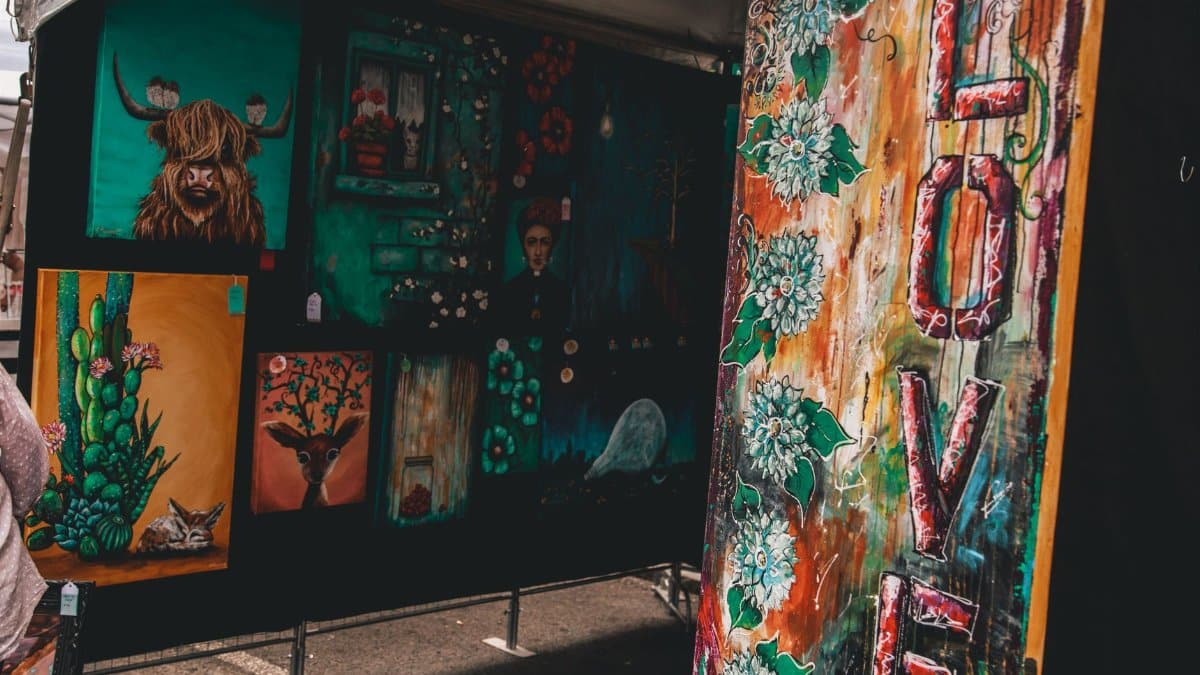
Large scale sculptures will occupy key intersections, transforming ordinary sidewalks into temporary outdoor museums. Several pieces were commissioned specifically for the Bellevue Arts Fair 2026 and will remain on view for several weeks after the main weekend concludes. Curators note that such installations encourage residents who might not otherwise attend an arts event to encounter work in their daily routines, extending the reach of the festival well beyond ticketed hours.
Partnerships With Local Schools and Nonprofits
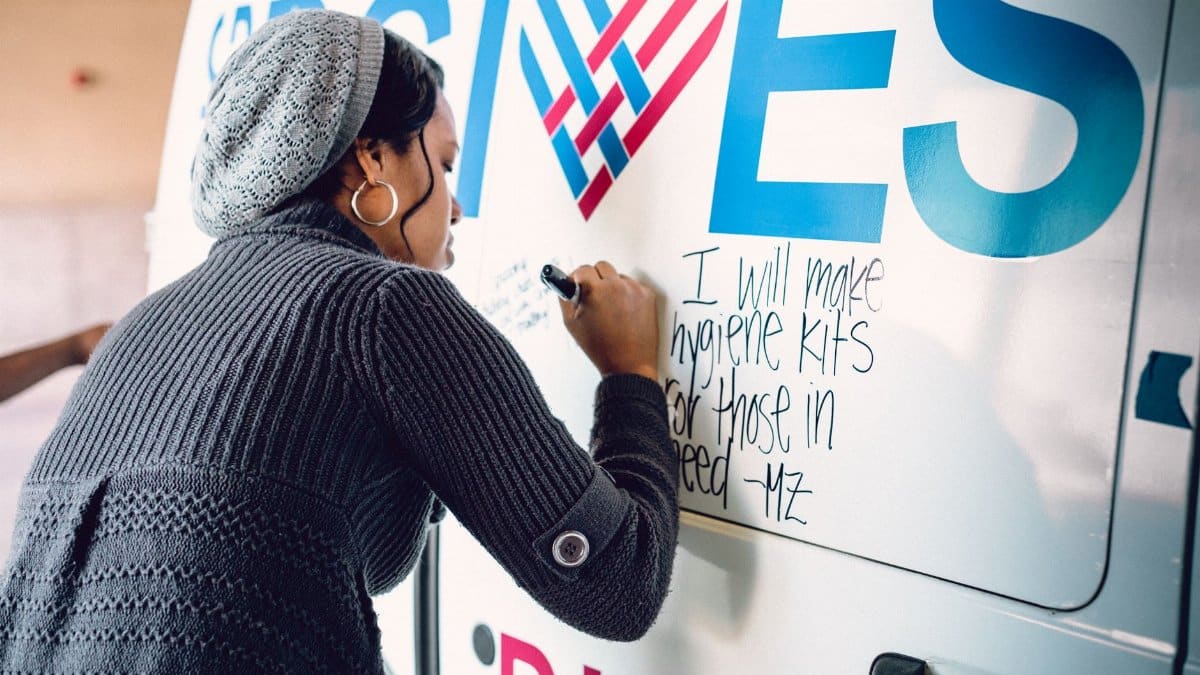
Organizers have strengthened ties with area educational institutions, arranging field trips for middle school classes on Friday morning before general admission opens. Nonprofit partners will operate information tables highlighting after school arts programs, and a portion of booth fees supports grants that supply materials to those same organizations. The approach reflects a broader strategy to treat the event as an ongoing investment in community infrastructure rather than a single weekend spectacle.
Transportation and Accessibility Improvements
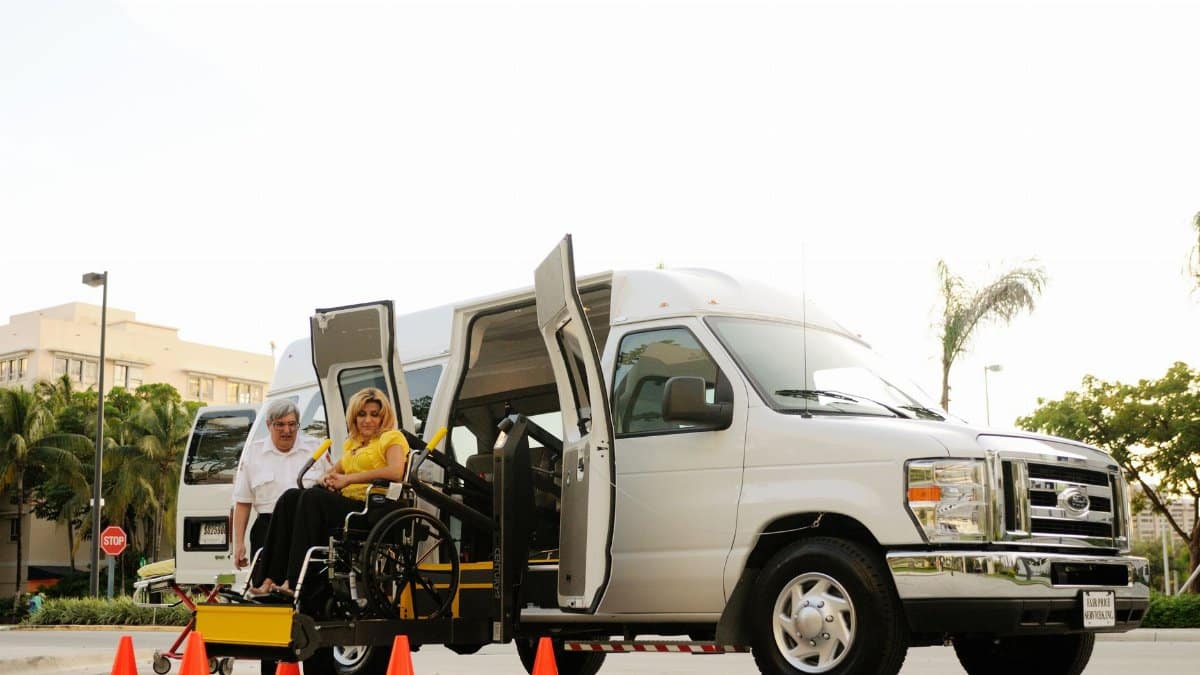
Transit agencies have added extra bus routes and temporary bike valet stations near the core area. Organizers worked with the city to widen pedestrian zones and install additional seating along walkways, measures intended to improve comfort for older visitors and those with mobility needs. Clear signage will direct attendees from parking garages and light rail stops, reducing confusion during peak arrival times.
Historical Growth of the Bellevue Arts Scene
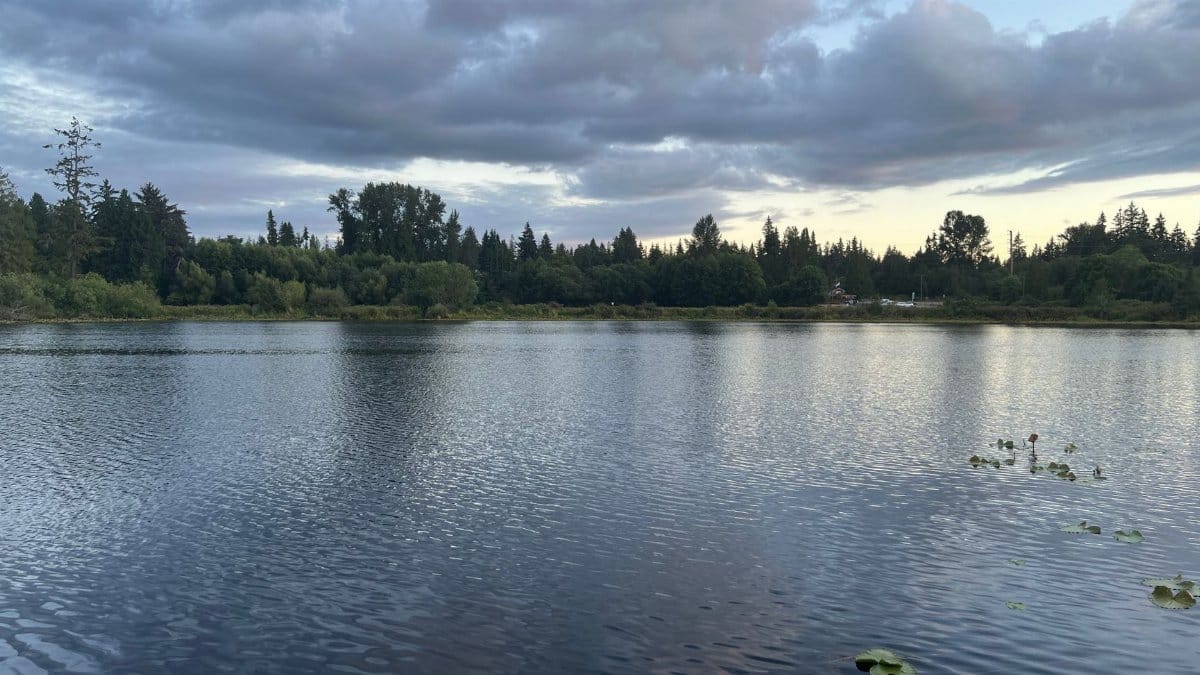
What began decades ago as a modest sidewalk sale has evolved into one of the larger juried fairs in the region. Archival photographs show how early iterations occupied only a single block; today the footprint spans multiple avenues and incorporates evening programming. This expansion mirrors broader shifts in how suburban communities have come to value cultural programming as a core element of livability.
Looking Ahead to Future Editions
While the Bellevue Arts Fair 2026 marks a milestone in attendance projections, planning committees already discuss adjustments for subsequent years. Feedback forms distributed at information booths will help identify which elements resonate most strongly with visitors. Early conversations include ideas for satellite locations in neighboring districts, a step that could distribute crowds and bring the experience to additional neighborhoods without diluting the central gathering.