
In the bustling neighborhood of south Minneapolis a small restaurant took on an ambitious experiment that drew attention from across the city. Post Modern Times offered meals without a set price relying instead on whatever patrons chose to give. This effort to create free meals Minneapolis restaurant captured the interest of many who saw it as a fresh way to blend dining with community support. Over the course of half a year the owners watched as participation grew yet the financial backing remained inconsistent. Infrastructure limits and feedback from nearby residents added pressure that eventually led to a pause. The story reflects broader questions about how such programs can sustain themselves in changing urban settings.
Origins of the donation model

The restaurant opened its doors with a vision shaped by local needs and a desire to reduce waste. Staff members prepared daily menus using available ingredients and invited guests to pay what they could afford. Early weeks brought steady foot traffic and positive word of mouth that helped spread awareness. Volunteers assisted with service and cleanup allowing the core team to focus on cooking and guest interaction. The approach drew from similar efforts in other cities yet adapted to the specific rhythms of this Minneapolis block.
Daily operations under strain

Running the program required careful coordination of food orders staffing and space management. As more people arrived lines formed outside during peak hours creating occasional backups on the sidewalk. Kitchen capacity reached its limit on several evenings forcing adjustments to portion sizes and menu variety. Staff reported longer shifts and increased physical demands that tested morale over time. These practical issues surfaced gradually rather than all at once yet they accumulated into a significant burden.
Financial realities behind the pause

Donations covered basic costs in the beginning but fell short as the months progressed. Some guests left without contributing while others gave amounts too small to offset ingredient expenses. The owners tracked these figures closely and noticed a widening gap between revenue and outlay. Without additional grants or sponsorships the model proved difficult to maintain at full scale. This financial picture played a central role in the decision to step back and reassess.
Neighborhood perspectives and feedback
Residents living near the restaurant expressed a mix of support and concern as the program expanded. Some appreciated the accessibility for those facing food insecurity while others noted increased foot traffic and noise during evening hours. Local business owners raised questions about parking availability and sidewalk congestion. Community meetings allowed these voices to be heard and informed adjustments attempted by the restaurant team. The dialogue highlighted the complexities of integrating a free meal effort into an established residential area.
Impact on staff and volunteers
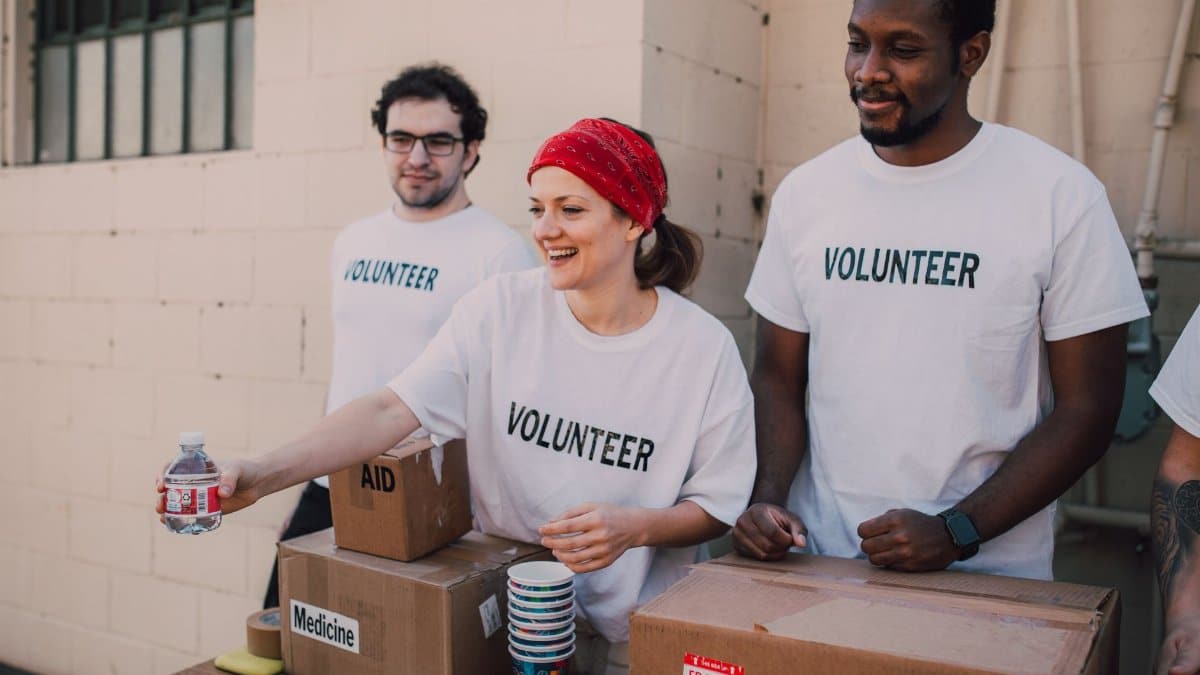
Team members described a sense of purpose that came from serving a wide range of guests each day. At the same time the unpredictable workload created fatigue that affected both professional and personal lives. Volunteers who joined for short periods sometimes struggled to maintain consistent schedules. The owners recognized these human costs and factored them into the choice to pause operations. Reflections from those involved underscore the dedication required to keep such initiatives running.
Broader context of community dining efforts

Across the country restaurants have tested donation based systems with varying degrees of success. Factors such as location population density and access to supplemental funding influence outcomes. In Minneapolis the experience at Post Modern Times adds to ongoing conversations about sustainable ways to address hunger. Observers note that hybrid models combining paid service with charitable components may offer more stability. This case illustrates both the promise and the practical limits of the concept.
Plans for the months ahead

The restaurant intends to reopen with a revised structure that balances community goals and operational needs. Owners are exploring partnerships with local nonprofits and considering limited hours for the donation program. Regular menu pricing will likely return for most service periods while special events keep the original spirit alive. Feedback from guests and neighbors will guide further refinements. The pause is described as temporary with an emphasis on learning and adaptation.
Lessons for similar ventures

Other establishments watching this development may draw conclusions about scaling expectations and infrastructure requirements. Clear communication with the surrounding community appears essential from the outset. Tracking both financial and human resources helps identify problems before they become overwhelming. The experience also points to the value of flexibility when initial plans meet real world conditions. These insights could shape future attempts to blend dining with social purpose in urban settings.