
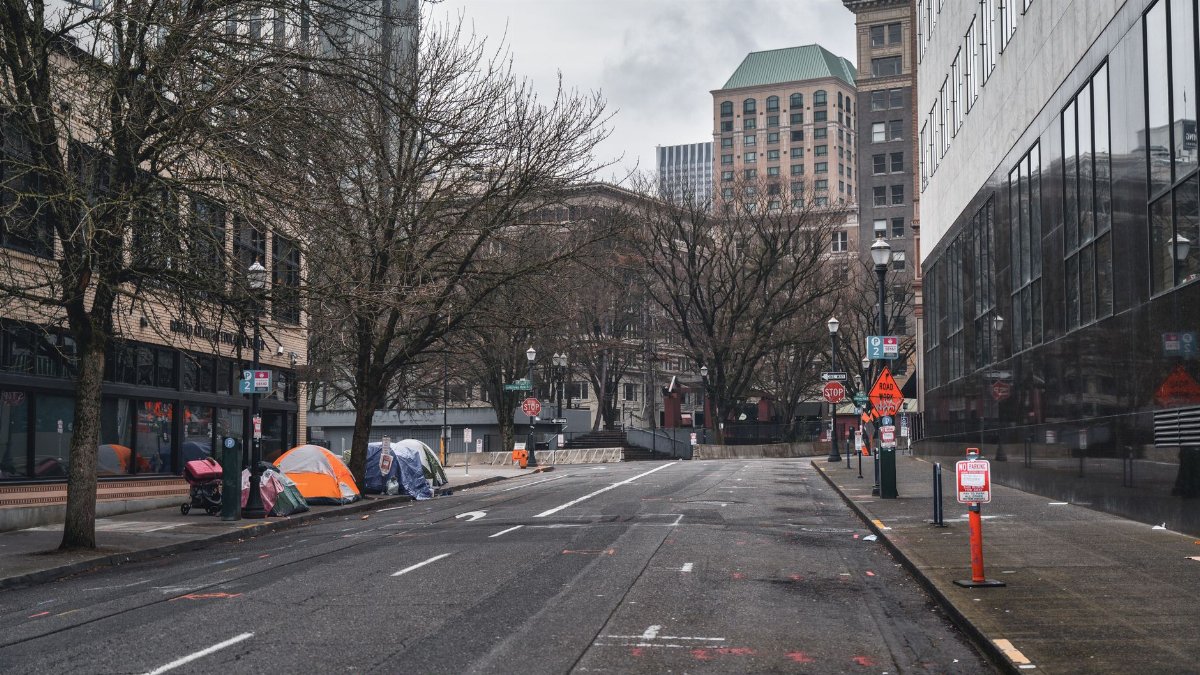
Tukwila has taken steps to manage visible homelessness with its recent Tukwila homelessness ordinance. City officials approved measures that limit camping in public areas and increase enforcement. This move comes as several Washington communities adopt similar approaches to maintain order in shared spaces. Residents have expressed mixed feelings about the changes with some welcoming the focus on safety while others worry about those displaced by the rules. The ordinance reflects ongoing debates about how best to support vulnerable populations while preserving access to parks and sidewalks for everyone.
Origins of Local Policy Shifts

City leaders in Tukwila point to growing complaints from business owners and families about encampments near commercial zones. The Tukwila homelessness ordinance emerged after months of public meetings where participants described blocked pathways and safety concerns. Officials studied how other towns handled similar pressures before drafting their own version.
Key Provisions in the Measure

The rules bar overnight stays in most public spots and set fines for repeat violations. Support services must be offered before any removal of belongings occurs under the Tukwila homelessness ordinance. Police receive training to connect people with shelters rather than immediate citations in many cases.
Reactions from Neighborhood Groups

Some long time residents say the changes bring relief and restore a sense of order to daily routines. Others note that without enough shelter beds the policy may simply push individuals to less visible locations. Community forums continue to draw crowds seeking more details on implementation timelines.
Role of Regional Partnerships

Tukwila works with nearby cities to share resources for outreach teams. Joint efforts aim to avoid simply moving the problem from one jurisdiction to another. Data sharing helps track how many people accept housing offers when approached under the Tukwila homelessness ordinance.
Challenges in Finding Shelter Space

Local shelters report they operate near capacity most nights forcing hard choices about who receives a bed. Advocates call for expanded funding to create more options before strict enforcement begins. City budgets now include extra allocations for motel vouchers during cold months.
Perspectives from Those Affected

Individuals living outdoors describe fear of losing what little stability they have built. Some have jobs yet cannot afford rent in the area and rely on cars or tents as temporary solutions. Outreach workers under the new framework try to build trust through repeated visits rather than one time interventions.
Legal Questions Under Review

Courts in Washington have examined similar ordinances elsewhere and outcomes vary by case details. Attorneys watch how Tukwila applies its rules to ensure constitutional protections remain intact. Early lawsuits could shape future versions of the Tukwila homelessness ordinance across the state.
Future Outlook for Public Spaces

City planners consider redesigns that add more lighting and seating to discourage prolonged stays in parks. Success will depend on steady funding for both enforcement and housing programs. Residents hope the balance struck by the Tukwila homelessness ordinance leads to cleaner shared areas without ignoring human needs.