
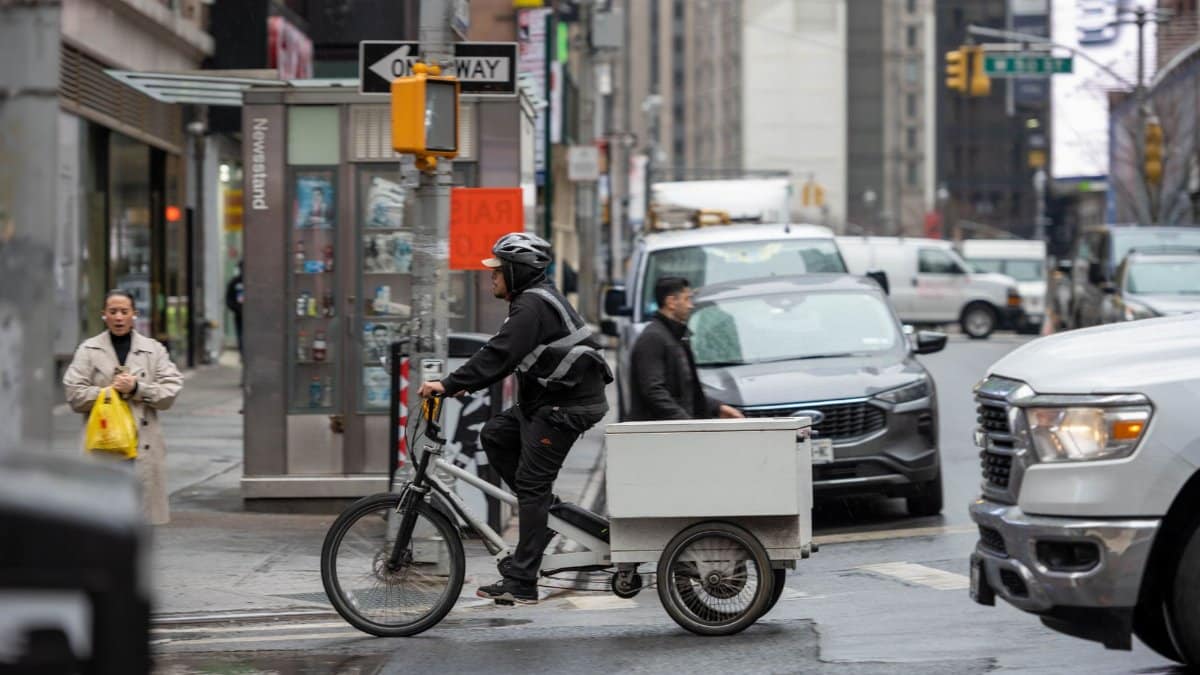
In recent months a quiet street in Berkeley has turned into a flashpoint for discussions about urban mobility and neighborhood character. The proposal to add a Berkeley bike lane along Hopkins Street has drawn strong opinions from cyclists, drivers, and shop owners alike. Advocates see it as a step toward safer streets while critics worry about reduced parking and effects on commerce. City leaders have advanced plans for protected lanes despite vocal pushback at public meetings.
Background on Hopkins Street

Hopkins Street runs through residential zones and small commercial clusters in north Berkeley. It carries steady traffic from local residents and visitors heading to nearby shops and services. The corridor has long supported mixed uses with parking on both sides. Planners identified it as suitable for infrastructure upgrades because of existing bike traffic and crash reports involving cyclists.
The Push for Protected Paths

Supporters argue that physical barriers would separate bikes from cars and reduce collision risks. They point to similar installations elsewhere in the region that have increased ridership without major disruptions. The Berkeley bike lane project fits into broader city goals for lowering vehicle emissions and encouraging active transportation among middle aged adults who may seek alternatives to driving.
Concerns Over Parking Availability

Merchants and residents have voiced worries that removing curb space for car storage would hurt foot traffic at stores. Some fear delivery vehicles and customers would struggle to find spots during peak hours. City data shows the street currently offers dozens of spaces that could be converted. Officials have proposed time limited loading zones as a partial offset yet skepticism remains high among business operators.
Impact on Local Businesses

Shopkeepers along the route describe a delicate balance between walk in customers and those who arrive by car. A reduction in parking could shift spending patterns toward online retailers or competing districts with more convenient access. At the same time some owners anticipate that safer cycling conditions might draw new patrons from surrounding neighborhoods who prefer two wheeled travel.
Safety Data and Arguments

Police records indicate several incidents each year involving bikes and motor vehicles on this stretch. Proponents of the Berkeley bike lane cite national studies showing protected facilities cut injury rates by significant margins. Opponents counter that the current layout allows drivers to maintain awareness without added barriers that could create blind spots at intersections.
City Planning Process

Berkeley officials conducted outreach sessions and collected feedback through surveys and hearings. The process included reviews by transportation commissions and adjustments to initial designs based on input. Final approvals now rest with the city council which must weigh competing priorities of safety mobility and economic vitality.
Views from Residents

Longtime homeowners express divided sentiments. Some welcome the chance to bike more often for errands and exercise while others value the convenience of on street parking for daily routines. Families with children note potential benefits for younger riders yet question whether the changes would truly alter driving habits across the broader area.
Future Outlook for the Area

Implementation could begin within the next year if funding and approvals align. Monitoring periods would track usage patterns and business performance after installation. Adjustments remain possible based on observed results. The outcome on Hopkins Street may influence similar efforts on other corridors facing comparable tensions between tradition and change.