

Florida International University has selected a lawyer with connections to former President Trump to serve as the temporary leader of its law school. This choice follows an unsuccessful attempt to recruit a permanent head through a broad effort across the country. Observers note that the position of FIU law dean carries significant responsibility in shaping future legal professionals amid shifting academic landscapes.
Details Surrounding the Leadership Transition
The university announced the selection of Daniel Z Epstein to begin duties on August 1 2026. Officials described the move as a practical step to maintain continuity after the search committee concluded its work without a final candidate. Epstein previously held roles that involved legal advocacy in high profile political contexts.
Context of the Extended Recruitment Effort

University leaders initiated a nationwide process to identify candidates with strong academic credentials and administrative experience. Despite outreach to numerous qualified individuals the effort did not yield an agreement with any top ranked applicant. Internal reports indicated differences in vision and compensation expectations contributed to the outcome.
Profile of the Incoming Interim Leader

Epstein has built a career that blends private practice with public service. His tenure in federal positions during the previous administration provided exposure to regulatory and policy matters. Supporters highlight his practical knowledge as an asset for students preparing to enter a complex legal environment.
University Community Responses

Faculty members expressed a mix of curiosity and caution regarding the appointment. Some welcomed fresh perspectives while others questioned the alignment with traditional academic priorities. Student organizations have begun organizing forums to discuss potential changes in curriculum focus and career services.
Impact on Law School Operations
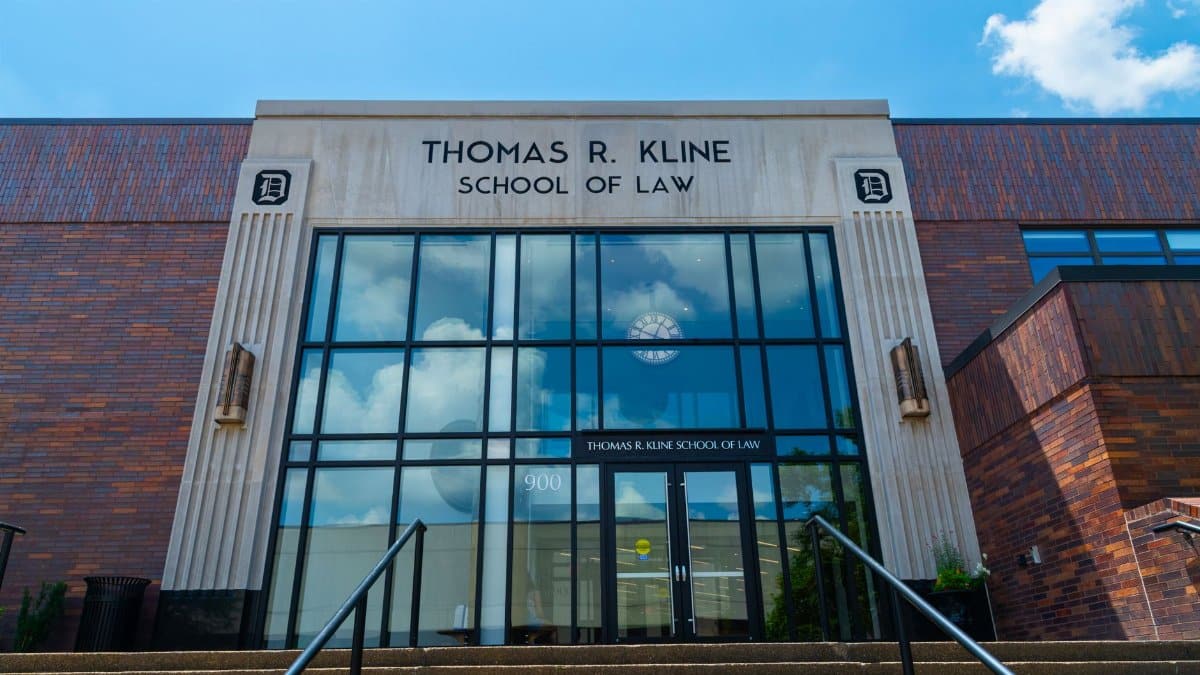
The FIU law dean will oversee daily administration including faculty recruitment and budget allocation. Early priorities may include strengthening partnerships with local legal firms to enhance practical training opportunities. Stability during this period remains essential for ongoing accreditation reviews.
Broader Patterns in Academic Appointments

Recent years have seen more institutions turn to interim leaders drawn from outside traditional academic paths. This trend reflects pressures from funding constraints and evolving demands on professional schools. Observers suggest such choices can introduce new energy yet also require careful integration with established norms.
Ethical Dimensions in Legal Training

Law schools play a central role in instilling principles of justice and public responsibility. The current transition offers an occasion to reflect on how leadership influences the emphasis placed on integrity and service within the student body. Discussions around these values often shape institutional culture over time.
Challenges Facing Legal Education

Programs across the nation confront issues related to enrollment trends and the need to adapt to technological advances in the profession. Rising costs of attendance also prompt questions about accessibility for diverse applicants. Effective guidance from the FIU law dean could help address these areas through targeted initiatives.
Looking Ahead for Institutional Growth

With the interim period underway attention turns to long range planning and possible permanent selection in the future. Success will depend on collaboration among administrators faculty and alumni. The university has indicated openness to feedback as the new leadership settles into the role.