

In the bustling corridors of the Michigan Capitol, lawmakers recently wrapped up negotiations on a spending framework designed to ease financial pressures on families even as national policy shifts create new uncertainties. Gov. Gretchen Whitmer highlighted how this Michigan state budget places resources directly with residents while addressing changes from federal actions. The approach reflects a blend of local priorities and responses to broader economic currents affecting middle income households across the state.
Core Allocations for Education and Workforce Development

The plan directs significant resources toward schools and training programs to prepare workers for evolving job markets. Educators and administrators note that added support could improve classroom conditions and expand access to vocational paths in communities from Detroit to Grand Rapids.
Health Care Access Expansions Under the New Framework

Funding increases target medical services and preventive care initiatives aimed at reducing long term costs for families. Officials emphasize coverage improvements that align with state goals for better public wellness outcomes.
Infrastructure Projects and Transportation Improvements
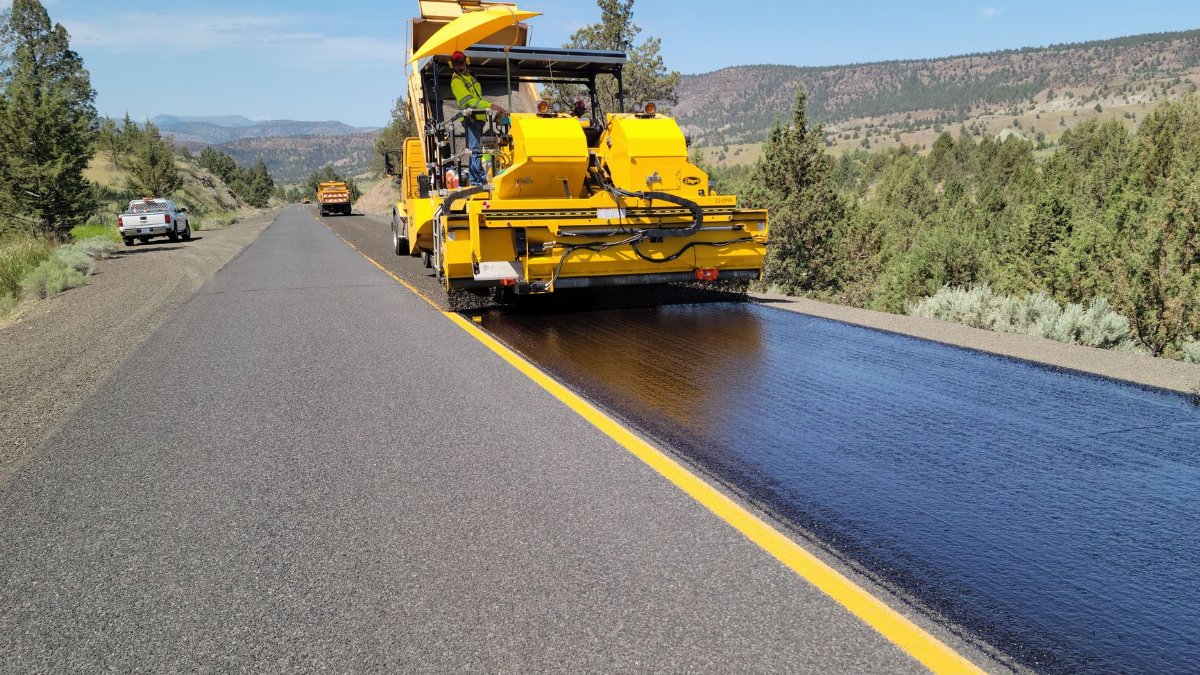
Road repairs and bridge upgrades receive dedicated dollars to enhance safety and commerce flow. Local leaders point to these investments as essential for maintaining reliable connections between urban centers and rural areas.
Tax Relief Measures for Middle Income Households

Adjustments in credits and deductions seek to leave more earnings in pockets of working residents. This element responds to ongoing concerns about affordability in daily expenses such as housing and utilities.
Responses to Federal Policy Shifts from Washington

The governor described the Michigan state budget as a buffer against certain national proposals that could affect state revenues and programs. Analysts observe that these provisions help stabilize services amid potential reductions at the federal level.
Environmental and Conservation Funding Priorities
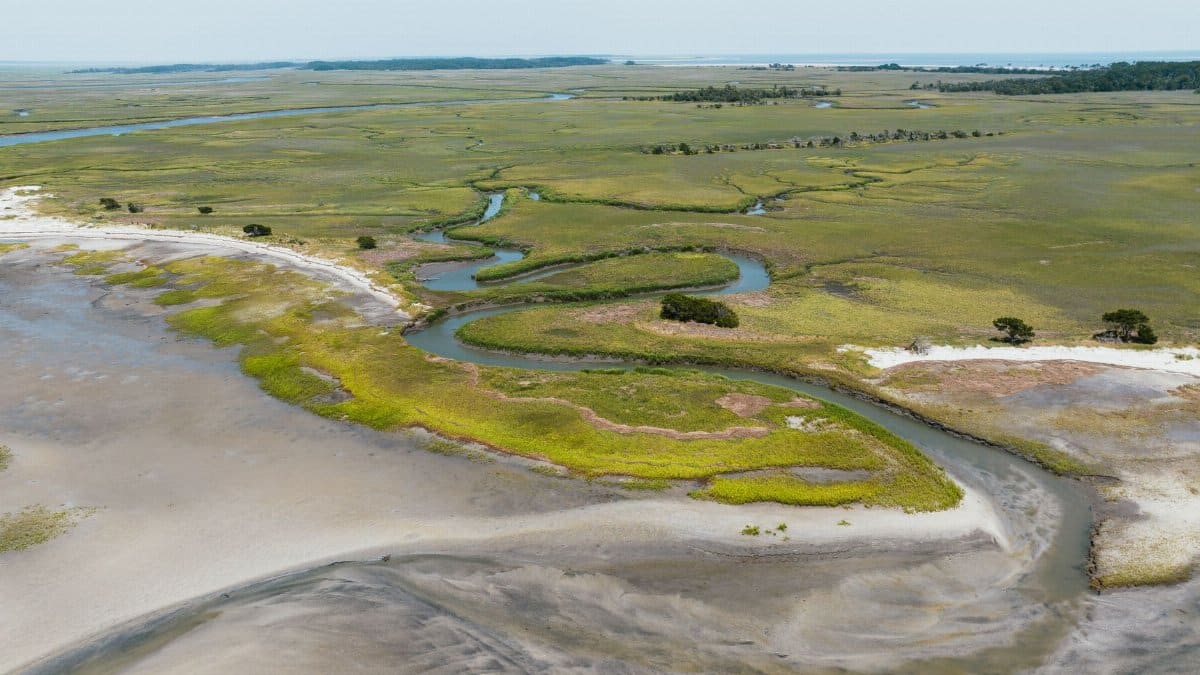
Resources flow to parks, water quality efforts and clean energy transitions to support sustainable growth. Advocates welcome the commitments as steps toward protecting natural assets for future generations.
Public Safety and Community Support Initiatives

Law enforcement and social services gain from targeted grants focused on prevention and response capabilities. Communities benefit from coordinated approaches that address both immediate needs and root causes of issues.
Economic Development Incentives for Small Businesses

Grants and loans assist entrepreneurs in expanding operations and creating jobs. The strategy aims to foster innovation in sectors ranging from manufacturing to technology.
Impact on Local Governments and Revenue Sharing
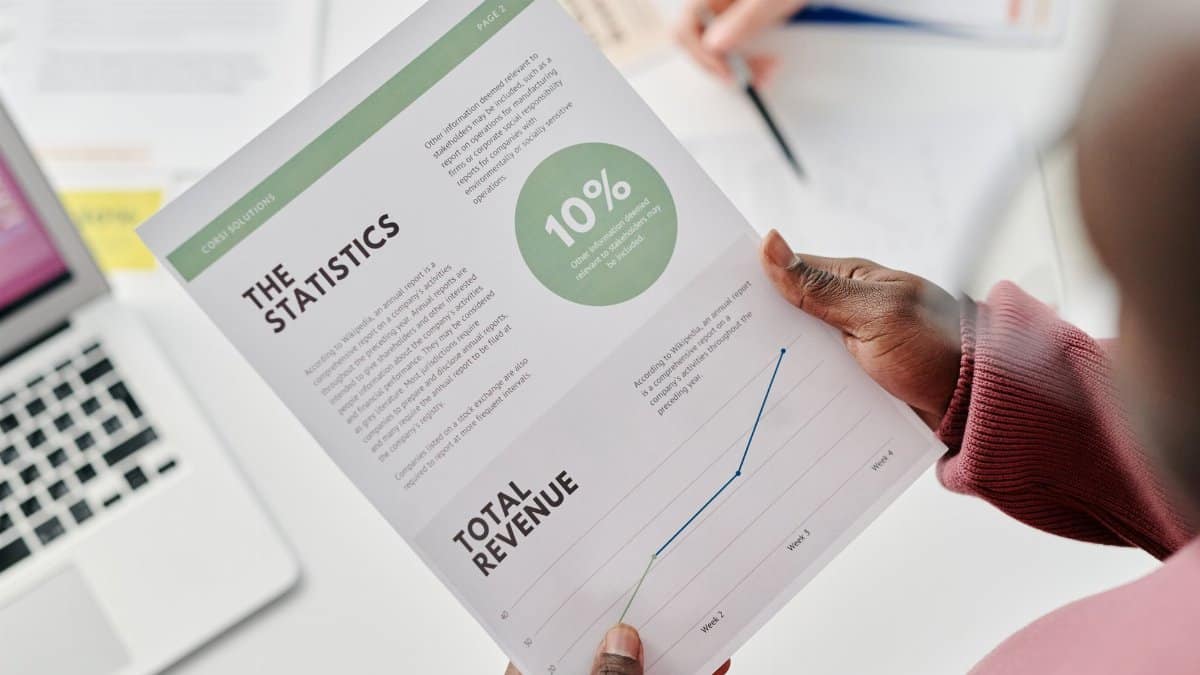
Cities and townships receive shares that enable them to maintain essential services without sharp increases in local taxes. This distribution supports balanced growth across diverse regions of the state.
Long Term Fiscal Planning and Reserve Strategies

Provisions build cushions for unexpected economic downturns while promoting disciplined spending practices. Experts view these steps as prudent for ensuring stability over multiple budget cycles.