

President Trump recently declared fifty percent tariffs on a range of Canadian goods with the new policy taking effect on August 19 2026. The approach draws on a seldom used section of a trade statute dating back to 1930. Observers note that this development concerning Trump Canada tariffs could reshape cross border commerce in unexpected ways. The announcement has prompted discussions among economists and policymakers about the broader implications for North American supply chains and consumer prices in both nations.
Origins of the Legal Authority Behind the Tariffs

The statute in question emerged during an era of economic hardship when lawmakers sought tools to protect domestic industries from foreign competition. Its provisions allow for rapid adjustments in duties under specific conditions related to national security or economic threats. Legal scholars point out that this mechanism has seen limited application in recent decades yet remains available for executive action.
Selection of Targeted Canadian Products

Officials have identified certain exports such as lumber dairy items and automotive components for the higher duties. These choices reflect areas where domestic producers in the United States have voiced concerns about competition. The list avoids some sectors where supply disruptions might prove more immediate for American manufacturers.
Effects on Everyday Consumers in the United States

Higher costs for imported goods often pass through to retail prices over time. Shoppers may notice gradual increases in items ranging from building materials to certain food products. Economists suggest that the full impact could unfold over several months as existing inventories deplete.
Responses from Canadian Government Officials
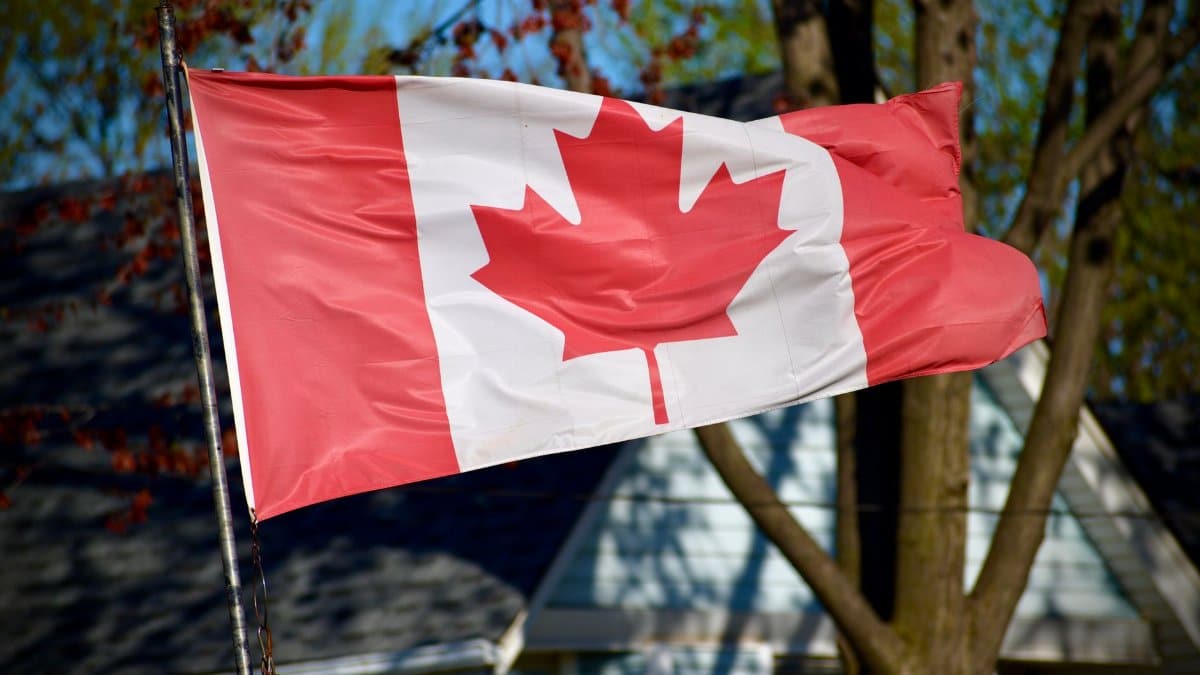
Leaders in Ottawa have expressed disappointment and signaled plans for consultations with trading partners. Some have floated the possibility of countermeasures aimed at American agricultural exports. The diplomatic tone remains measured while private sector groups prepare detailed assessments of potential losses.
Reactions Among American Businesses and Industries

Companies that rely on Canadian inputs have begun reviewing their sourcing strategies. Some larger firms with diversified suppliers appear better positioned to adapt. Smaller operations however face greater challenges in absorbing added expenses without passing them along.
Broader Trade Relations Across North America

The tariffs arrive amid ongoing talks about updating existing agreements between the three nations in the region. They introduce new uncertainties into negotiations that had previously focused on digital trade and environmental standards. Analysts watch closely for signs of escalation or compromise.
Potential Shifts in Global Supply Chains

Manufacturers may accelerate moves to alternative sources in Asia or Latin America to avoid the added duties. Such adjustments require time and investment yet could alter long established patterns of production. Observers expect gradual rather than abrupt changes.
Economic Forecasts and Expert Assessments

Models from research institutions project modest drags on growth for both countries if the measures persist. Job effects appear concentrated in specific regions tied to the affected industries. Most projections assume some form of negotiated resolution within a year or two.
Historical Precedents for Similar Trade Actions

Past episodes of elevated tariffs offer mixed lessons about outcomes for employment and prices. In some cases domestic sectors gained temporary relief while consumers absorbed higher costs. International retaliation often followed leading to broader slowdowns in commerce.
Future Outlook for Policy Adjustments

Lawmakers in Congress may consider steps to limit or clarify the scope of the old statute. At the same time the administration could modify the tariff list based on feedback from affected parties. The situation remains fluid with developments likely in coming weeks.